Posts or Comments 28 April 2026

Health Systems &IPTp &Malaria in Pregnancy Bill Brieger | 07 Nov 2014

Health Systems Strengthening: Achieving Lasting Results for IPTp
call to action IPTAt the Call to Action for Intermittent Preventive Treatment of Malaria in Pregnancy (IPTp) during the just concluded American Society of Tropical Medicine and Hygiene Annual Meeting, Elaine Roman of Jhpiego/MCSP advocated for strengthened health systems as a basic approach to enhancing IPTp coverage. Below is a summary of her remarks.

Why should we strengthen the Health System? Addressing the health system at all levels leads to improved outcomes and comprehensive coverage. Increasing IPTp uptake requires strengthening antenatal care (ANC) and other components of the health system.

ANC within a strong health system provides an opportunity to improve the health of pregnant women and their newborns. Malaria in pregnancy (MIP) is a maternal and newborn health issue. When health systems are weak, there is greater likelihood of negative consequences on mother and newborn.

Elaine Picture1Improving Health Systems for enhanced IPTp addresses the following health systems components:

  1. Integration: Reproductive Health Programs and National Malaria Control Programs
  2. Policies and Guidelines: Consistency across national documents
  3. Capacity Development: Bother In-Service Training and Pre-Service Education
  4. Quality Assurance: Linked directly with support supervision
  5. Community Engagement: Promotion of early ANC and Promotion of IPTp uptake
  6. Commodities: Ensuring availability at ANC of sulfadoxine-pyrimethamine (SP) and supplies, as well as long-lasting insecticide-treated bed nets
  7. Monitoring and Evaluation: Facility-level data collection and Data for decision- making
  8. Finance: Sustained and comprehensive services
Elaine Picture2Systems strengthening works. Strengthened Health Systems for IPTp in Kenya resulted from community engagement, training, supervision: leading to IPTp1 coverage of 91.6% and IPTp2 (or more doses) coverage at 61.1%.

In Ghana, Capacity development, commodities, community engagement improvements resulted in IPTp2 (or more doses) coverage of 44% to 65%

In Zambia development of clear policy, integrated training, supervision led to IPTp2 (or more doses) coverage increasing from 63% in 2007 to 72% in 2012.

Moving forward we must advocate for strengthening health systems that will lead to increased IPTp uptake and lasting gains. We must focus on ANC, complemented by efforts at community and policy levels. Finally we must address each health system component, based on country context.

Community &Health Systems &Treatment Bill Brieger | 05 Nov 2014

Expanding Health Ministry Capacity to Deliver Malaria and Other Health Commodities at the Community Level in Nigerian States

Bright Orji of Jhpiego‘s Nigeria office presents a poster at the American Society of Tropical Medicine and Hygiene 2014 Annual Meeting at noon on 5th November. The poster represents Jhpiego’s technical assistance provided to seven Nigerian States as part the World Bank Malaria Booster Program. The abstract follows:

CDI ModelThe highly participative process of community directed interventions (CDI) was first pioneered in 1996 by the African Program for Onchocerciasis Control for the delivery of ivermectin. CDI was further tested and found effective in delivering other health commodities.

In 2007 Jhpiego began a proof of concept project in Akwa Ibom State, Nigeria and learned that CDI could be a useful vehicle for increasing access to and coverage of malaria in pregnancy interventions. Building on this success, Jhpiego expanded this work to include integrated community case management of malaria, diarrhoea and pneumonia. through community led efforts.

Number trainedThe World Bank Malaria Booster Program, observing Jhpiego’s efforts in Akwa Ibom State, asked the Nigeria National Malaria Control Program to enlist Jhpiego’s help in building the capacity of seven State Ministries of Health (MOH) to organize CDI for what was termed the malaria plus package consisting of community case management and health promotion activities. The scale-up process started with workshops for state CDI implementation teams consisting of staff from malaria control and primary health care in the MOHs.

services providedThen these state teams developed their own intervention packages and organized workshops for local government teams, who in turn trained staff from their front line health facilities. These facility staff mobilized communities in their facility catchment areas (wards) to select volunteers for training on the CDI process and intervention package.

Although technical assistance was provided to each state, challenges arose including commodity supplies and coordination among different program units within the state MOHs. In conclusion, state teams can train local government teams, ultimately cascading CDI to the community in order to scale up maternal and child health interventions.

IPTp &Malaria in Pregnancy &Private Sector Bill Brieger | 04 Nov 2014

A role for the private sector increasing uptake of intermittent preventive treatment for malaria in pregnancy in Kenya

Jhpiego staff will again present a poster at the Tuesday noon (Nov 4) session of the American Society of Tropical Medicine and Hygiene Annual Meeting. Augustine M. Ngindu, Muthoni M. Kariuki, Sanyu Kigondu, Johnstone Akatu, Isaac M. Malonza, with support from USAID’s Maternal and Child Health Integrated Project (MCHIP) will share experiences with a poster titled, “Improving maternal and neonatal health: Complementary role of the private sector increasing uptake of intermittent preventive treatment for malaria in pregnancy in Kenya.” The abstract is provided below.

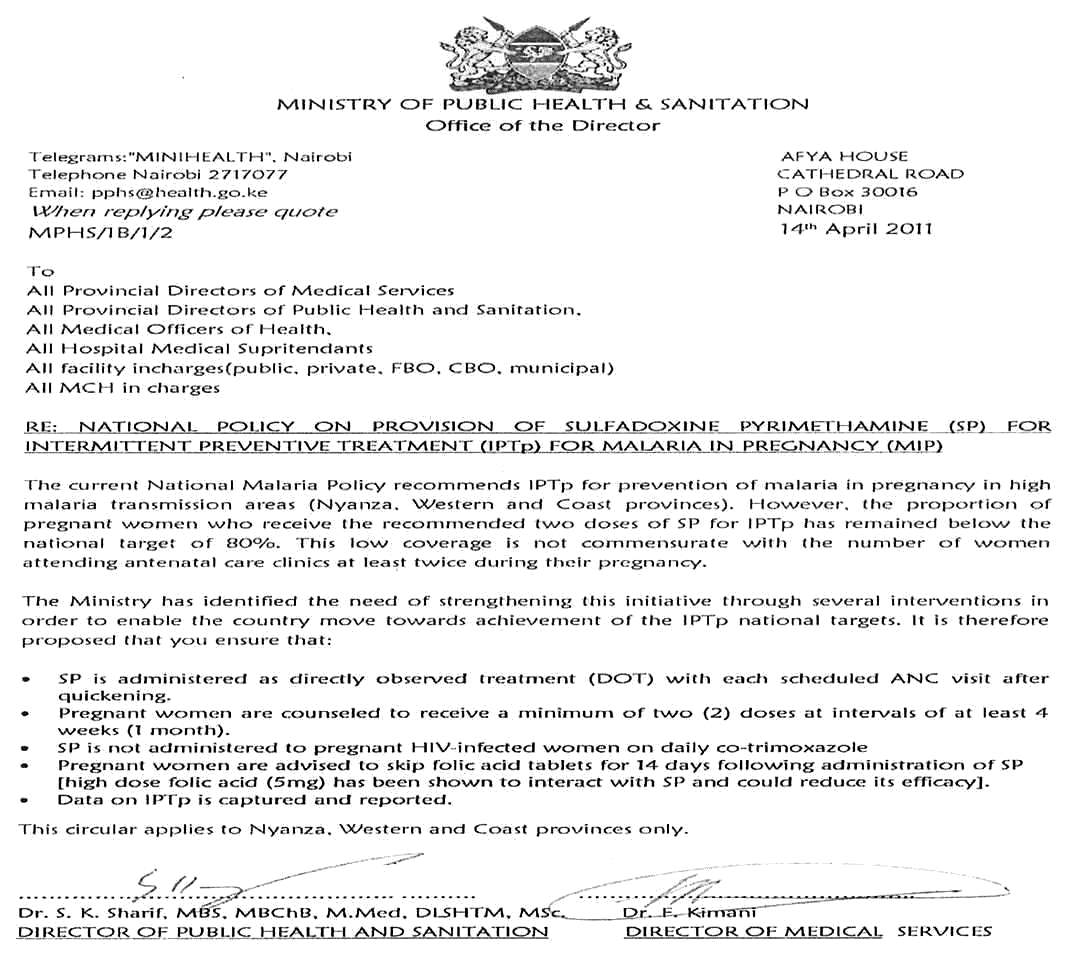
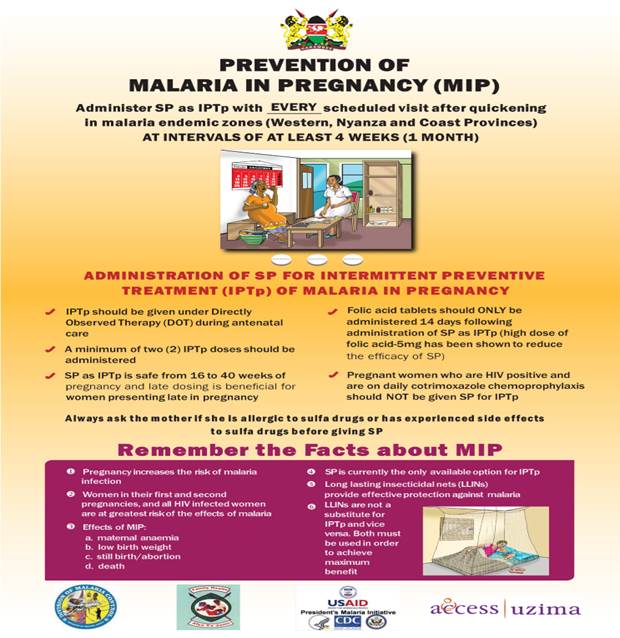
director's memoMalaria in pregnancy (MIP) is associated with poor pregnancy outcomes including maternal anaemia, intrauterine growth retardation and low birth weight. Kenya changed its policy on intermittent preventive treatment using Sulfadoxine Pyrimethamine (IPTp-SP) in 1998. However, IPTp coverage rates have remained low: 4% in 2003, 14% in 2007, 15% in 2008 and 25 % in 2010.

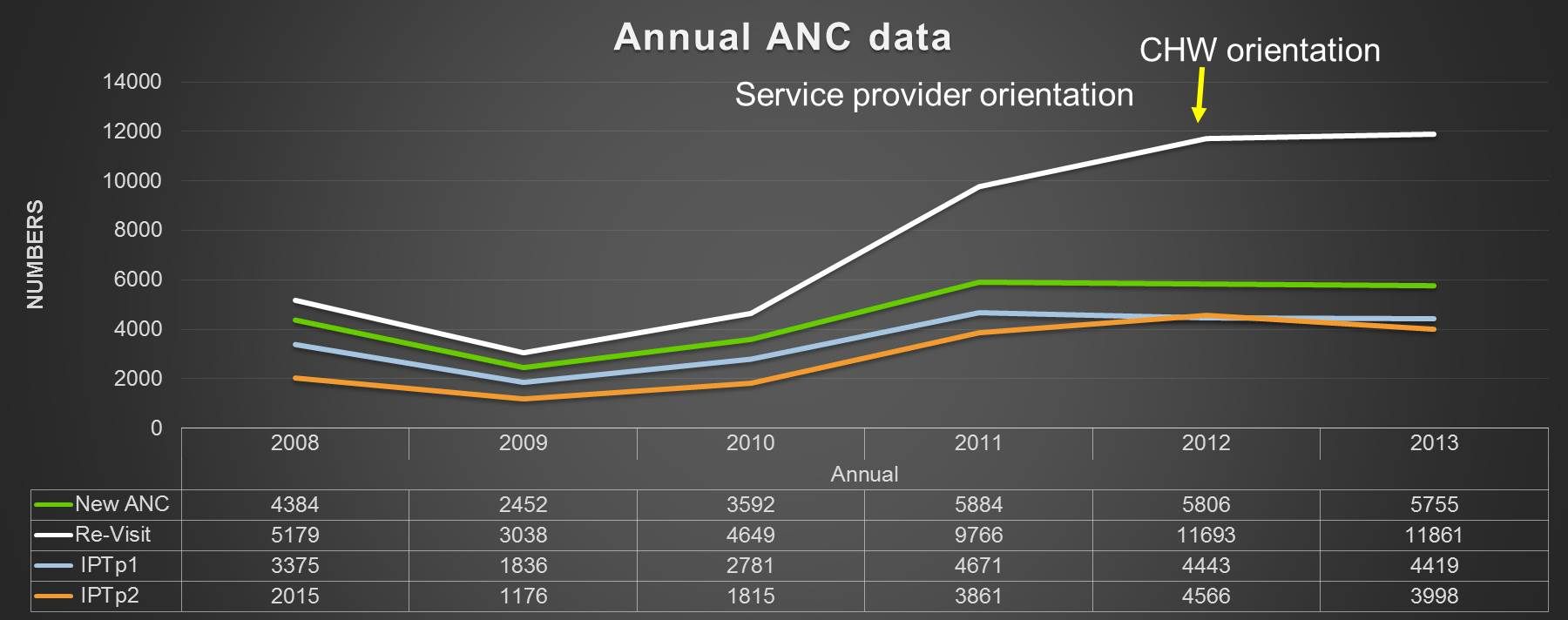
To increase the coverage rate, MCHIP supported malaria control and reproductive health divisions of the ministry of health, first to harmonize knowledge among service providers on provision of IPTp-SP in 2011, and second to train community health workers (CHWs) on sensitization of pregnant women to start early antenatal care (ANC) attendance in 2012.

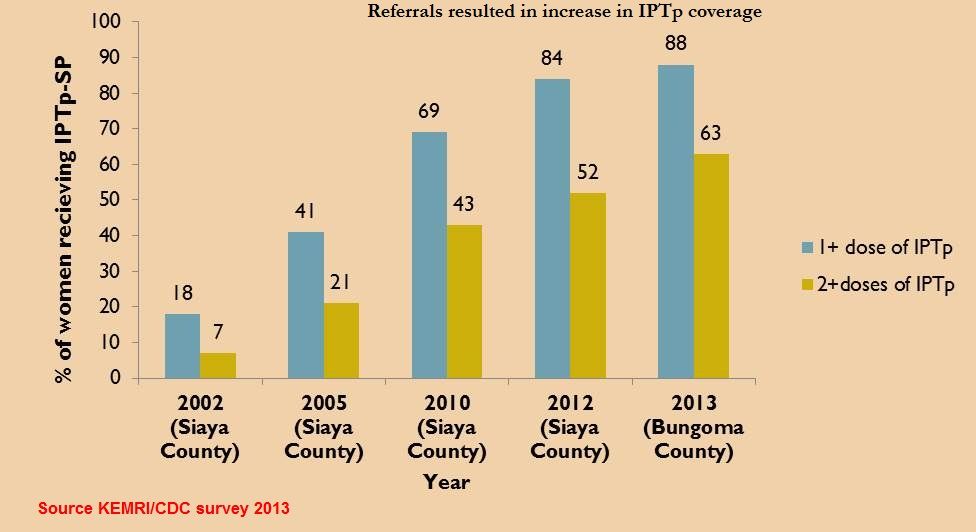
Job AidA community survey conducted in 2013 showed a significant increase in the proportion of pregnant women receiving two or more IPTp doses from 25% to 63%, the highest increase in IPTp uptake since 1998. Following the successful scale up of IPTp, one sub-county conducted an assessment of its health facilities to determine quality of data on ANC clients accessing IPTp-SP.

A total of 15 (58%) out all 26 health facilities in the sub-county (public – 6 out of 8, faith-based – 2 out 3 and private – 7 out of 15) were selected. Data on new ANC clients, revisits and IPTp doses given was collected from the ANC registers.

Among thservices providede assessed health facilities 13 (87%) out of the 15 were registering new ANC cases, revisits and provided IPTp-SP (public 6, faith based 2, private 5. One private clinic provided ANC services to revisits and IPTp2 doses only after the clients had been registered in public facilities, the second did not offer ANC services.

In 2013 the government declared provision of free maternity services in public facilities but ANC clients have continued to utilize services from the private sector. This is an indication of the untapped potential in the private sector in increasing access to high impact interventions and importance of supporting the sector by all partners to provide these interventions.

Such complementary efforts if implemented will not only result in enabling the country to move towards achievement of set targets but also improve pregnancy outcomes through reduction in effects of
malaria in pregnancy.

IPTp &Malaria in Pregnancy Bill Brieger | 03 Nov 2014

Call to Action at ASTMH – Intermittent Preventive Treatment of Malaria in Pregnancy

call to action IPTIf you are interested in preventing malaria in pregnancy (MIP) join a special symposium at the American Society of Tropical Medicine and Hygiene 2014 Annual Meeting on Wednesday afternoon/evening, November 5th. The seminar is organized by the Malaria in Pregnancy Consortium and the Roll Back Malaria Malaria in Pregnancy Working Group, with support from Medicines for Malaria Venture (MMV) and London School of Hygiene and Tropical Medicine (LSHTM). The agenda can be found below.

SESSION 1 Current coverage and delivery of IPTp 3:45 – 4:15

  • Welcome Koki Agarwal, Roll Back Malaria MIP Working Group, Jhpiego / Maternal and Child Survival Program
  • Current coverage estimates of IPTp Annemieke van Eijk, Liverpool School of Tropical Medicine
  • Factors affecting delivery of IPTp: Findings from quantitative and qualitative studies in Mali and Kenya, Jayne Webster: London School of Hygiene & Tropical Medicine

dateSESSION 2 MOVING FORWARD: OPPORTUNITIES TO SCALE UP IPTp: 4:15 – 5.15

  • IPTp and WHO’s Global Malaria Programme, Pedro Alonso, Global Malaria Programme of the World, Health Organization
  • Interventions to improve uptake of IPTp in Ghana, Harry Tagbor, Kwame Nkrumah University of Science & Technology
  • Studies of cost-effectiveness of IPTp-SP: IPTp-SP2 vs. placebo in Mozambique and a meta analysis of IPTp-SP3 + vs. SP2 in a range of African settings, Elisa Sicuri Barcelona Centre for International Health Research
  • Can acceptability be enhanced? Findings from quantitative and qualitative studies on IPTp against malaria and curable STIs/RTIs, Matthew Chico, London School of Hygiene & Tropical Medicine
  • Delivering IPTp in the antenatal care platform, Kate Mitchell, Harvard School of Public Health/ Maternal, Health Task Force
  • Health systems strengthening: Achieving lasting results for IPTp, Elaine Roman. Jhpiego / Maternal and Child Health Program

SESSION 3 Call to Action: 5:15 – 6:00

  • Defining the Call to Action (group facilitation) – Koki Agarwal, Roll Back Malaria MIP Working Group, Jhpiego / Maternal and Child Survival Program, Intermittent Preventive Treatment of Malaria in Pregnancy

Community &IPTp Bill Brieger | 03 Nov 2014

Prevention of Malaria in Pregnancy with Community Health Volunteers in Kenya: Jhpiego at ASTMH

CHV 1904-image-003Augustine M. Ngindu of Jhpiego’s USAID-MCHIP Project in Nairobi, Kenya will present a poster entitled, “Prevention of Malaria in Pregnancy: Community Health Volunteers (CHVs) promote community-based activities to increase uptake of Intermittent Preventive Treatment of malaria in pregnancy (IPTp) in Kenya,” at the ASTMH Annual Meeting at noon on Monday 3 October. Below is the abstract – stop by the session to learn more.

Malaria in pregnancy is associated with poor pregnancy outcomes including maternal anaemia, miscarriages and intrauterine growth retardation. In an effort to increase IPTp coverage, Kenya is implementing the community strategy by using community health volunteers (CHVs) to promote community-based activities to increase uptake of malaria in pregnancy interventions (MIP).

Bungoma Picture1The CHVs visit each household every month to register new pregnant women, collect data from existing pregnant women including last IPTp dose taken and gestation, sensitize them to continue ANC visits and refer late starters and defaulters of scheduled ANC visits.

In Bungoma sub-county with a catchment population of 169,000, 382 CHVs from 14 community units identified a total of 4,925 (95%) out of an expected 5,092 pregnant women and followed them up between February to April 2014.

In Kenya the recommended time for starting IPTp is from weeks of pregnancy or after quickening.

IPTp and CHV referralsResults showed that among the registered pregnant women 92% had taken at least IPTp1 and 61% IPTp2 doses respectively. IPTp doses taken by weeks of pregnancy showed that 1.3% had accessed IPTp by 16 weeks of pregnancy, 8.6% between 16-20 weeks, 4.7% between 21-25 weeks, 5.7% between 26-30 weeks, 6.5% between 31-35 weeks and 3.7 % between 36-40 weeks.

IPTp doses Picture1However, 1.5% had not started IPTp at 40 weeks of pregnancy. The data further showed that among those who started IPTp early 1% completed 7 IPTp doses at 40 weeks of pregnancy.

CHVs can be used to effectively promote community-based activities including collection of data on the number of IPTp doses taken during pregnancy, which is a good indicator of the proportion of pregnant women protected against the adverse effects of malaria during pregnancy. This practice if scaled up can serve as an alternative method of monitoring coverage rates of interventions without waiting for the 3-5 year community survey data

Human Resources &Training &Treatment Bill Brieger | 03 Nov 2014

Inspiring Quality in Pre-Service Education on Malaria in Tanzania: Jhpiego at ASTMH

Monday at noon (3 October 2014) at the American Society for Tropical Medicine and Hygiene Annual Meeting in New Orleans, Jhpiego will be presenting two posters. Grace Qorro of Jhpiego’s Tanzania office has one entitled: #Quality Inspired Project – A Key to Achieving Results with Malaria Interventions.” Her abstract is shared below.

Tanzania Picture1With an aim to accelerate malaria case management, Tanzania Ministry of Health and Social Welfare (MoHSW) is strengthening its pre-service education program to ensure graduates have the right knowledge and skills to diagnose and treat malaria. Investment in pre-service education lessens the burden on in-service training since those entering the workforce will have the knowledge and skills they need to provide.

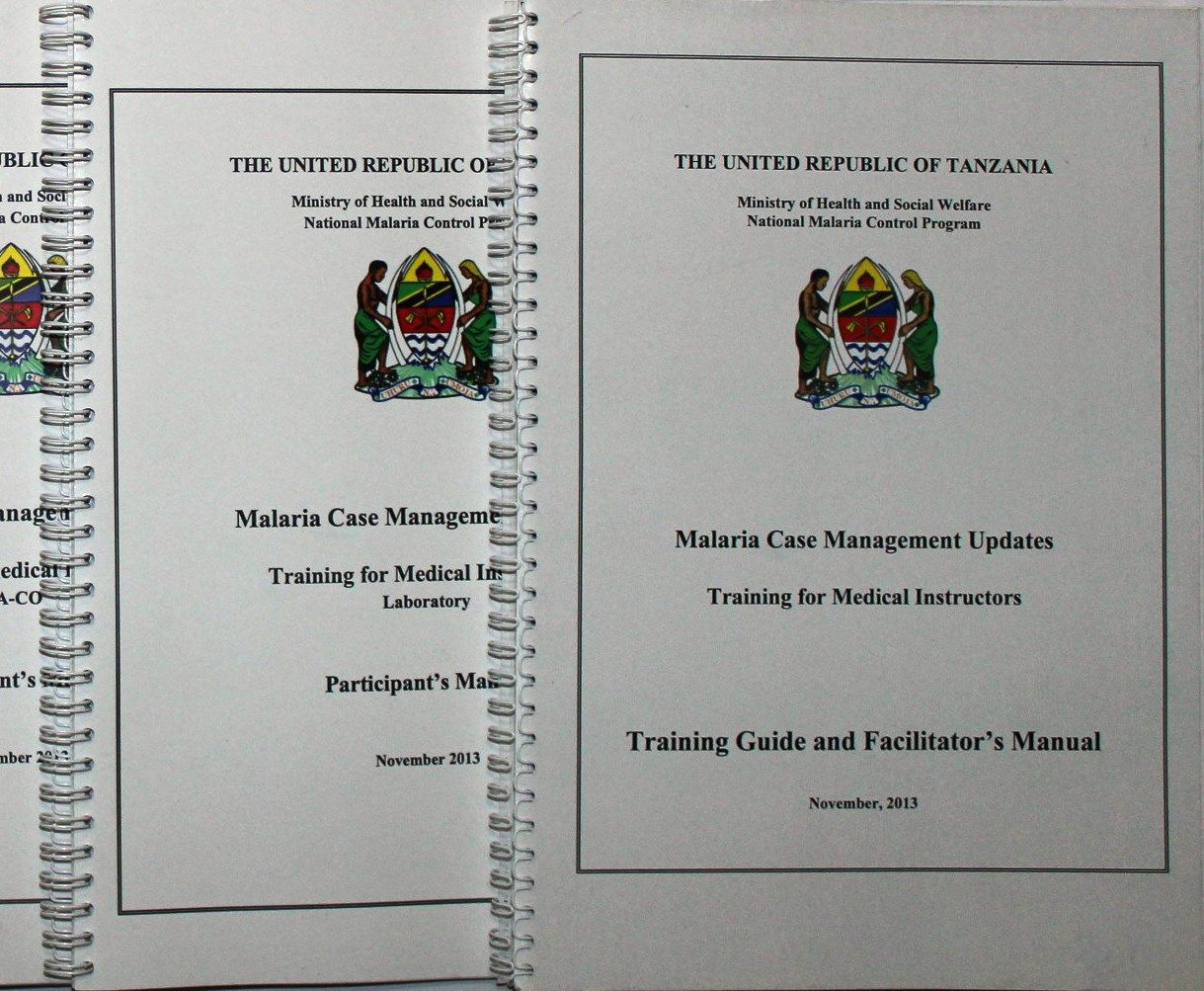
Maisha Picture1Jhpiego, through MAISHA (Mothers And Infants Safe, Healthy and Alive) program, provided technical assistance to the MoHSW to help develop a pre-service malaria case management-updates Learning Resource Package (LRP), which includes: Facilitator’s Manual, Participant’s Manual, Activity Worksheets and Training Modules addenda.

case management updates IMG_5901The LRP was developed based on national malaria policy, guidelines and in-service training materials; it is taught using job aids, power point presentations, video demonstration and numerous case scenarios which reflect what actually happens in real life situations at service delivery points. The LRP aims at reinforcing appropriate practices for care of malaria patients and management of commodities with emphasis on parasite-based diagnosis and compliance to results, proper recording and reporting; and management of malaria in special situations and groups.

Training manual IMG_5901The training package is well organized with laboratory and medical supplies which gives each participant an opportunity for hands-on activity to acquire and strengthen their skills. Checklists to guide Quality Assurance/Quality Improvement (QA/QI) processes have been included in these training materials.

The project successfully provided competence-based orientation on malaria case management updates to 210 medical instructors. Annually, it reaches more than 4,000 students from eight Zonal Health Resource Centers and 480 students from Medical Universities.

There is a need to incorporate the addenda developed into these training modules for easy use. In the near future, clinical skills-mentorship will be conducted in selected schools using the nationally approved QA/QI checklists.

Community &Private Sector &Treatment Bill Brieger | 03 Nov 2014

Ghana at ASTMH: Mapping out of antimalarial drugs on stock at the market in a rural districts of Ghana

The first Poster Session of theDodowa American Society of Tropical Medicine and Hygiene (Monday noon) will feature a study on availability of malaria medicines in rural Ghana. “Mapping out of antimalarial drugs on stock at the market in a rural districts of Ghana” was developed by Alexander A. Nartey, Evelyn K. Ansah, Patricia Akweongo, Gloria A. Nartey, Mary A. Pomaa, Doris  Sarpong, Clement Narh, and Margaret Gyapong of the Dodowa Health Research Centre.

AA Picture1Antimalarial drugs are a very important component of any policy for effective reduction of morbidity and mortality related to the malaria disease. The availability of efficacious and high quality antimalarials and their correct use can mitigate the risk of morbidity and mortality among the people of sub-Saharan Africa who have the highest risk of contracting and dying
from malaria.

Chemical (medicine) shops are major source of care for most developing countries where anti-malarial drugs can be purchase at the counter. The paper seeks to identify the different kinds of anti-malarial drugs on the market for malaria treatment in a rural district in Ghana.

Chart Picture1A structured questionnaire was used during two seasons (peak and low malaria transmission seasons) to collect information on anti-malarial drugs from all 58 chemical shops within the Dangme West district now (Shai Osudoku and Ningo Prampram districts). Pictures of the anti-malarial drugs were taken,

The active ingredients, and also the source of the drugs documented. GIS locations of the shops were also recorded to ascertain the proximity of the shops to households in the communities. Majority (72.0%) of the chemical and pharmacy shop owners are males. Only 7.0% of the shops are pharmacy while the remainder is licensed chemical shops.

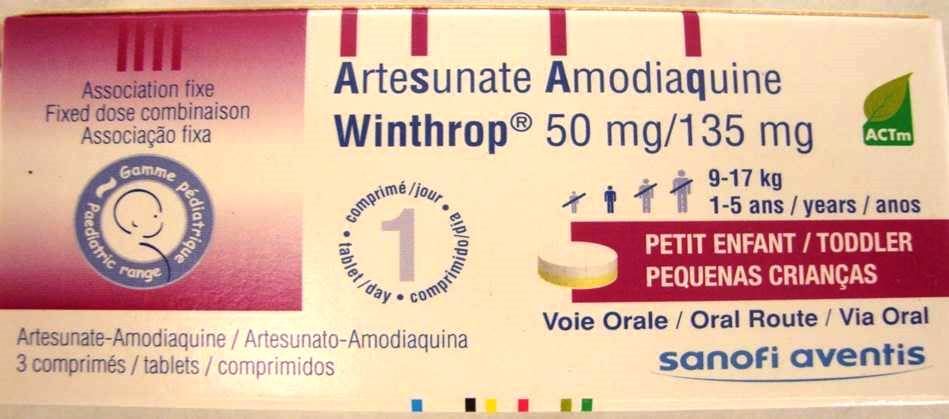
GHSThe total numbers of antimalarial drugs counted were forty nine (49). Among the stock, 4.2% were quinine, 31.9% of them were monotherapies such as artemether, Amodiaquine, Artesunate etc. Altogether, 59.4% of the artemisinin combination therapies (ACTs) were artemether + Lumefantrine, 25.0% were Artesunate + Amodiaquine.

Other antimalarials observed were 9.4% Sulfadoxine + Pyrimethamine and 3.1% of of Artesunate + Sulfamethoxypyrazine + Pyrimethamine. About 47% of the anti-malarial drugs were pediatric formulations.

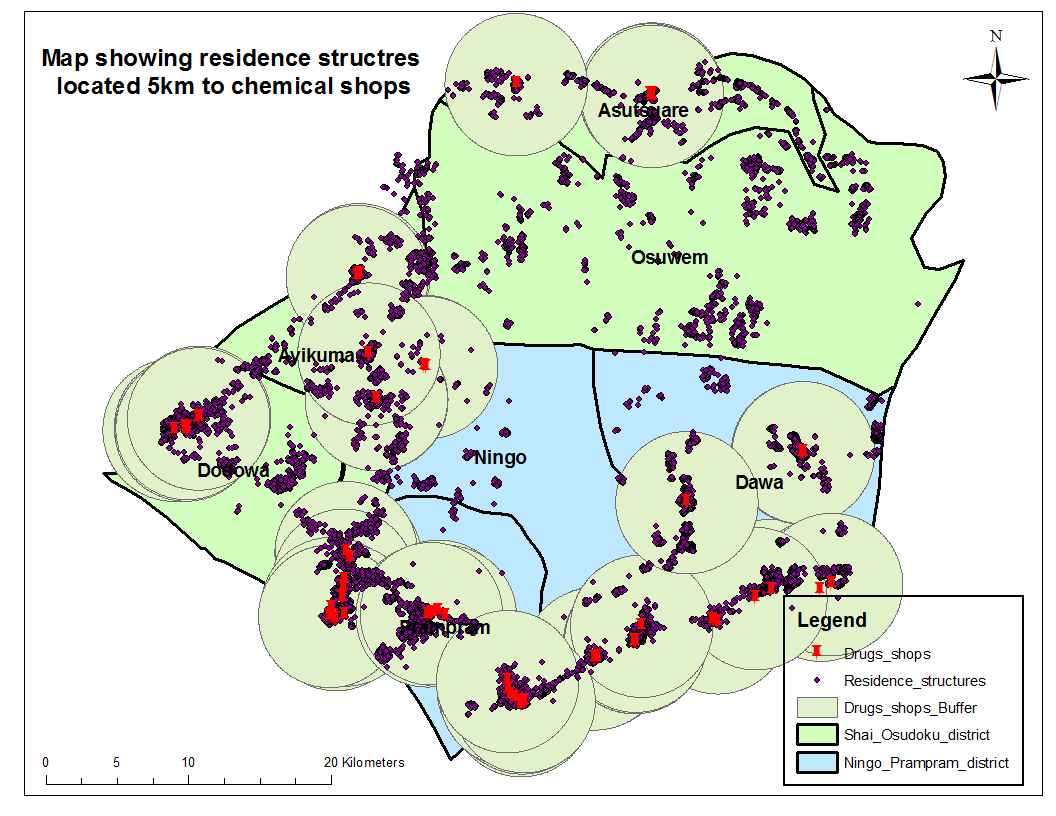
Map Picture1GIS mapping shows that majority of the households are within a periphery of 5km to a chemical shop.

The national antimalarial drug policy recommends the use of ACTs for malaria treatment however; all sorts of anti-malarial drugs which are not ACTs are in stock at the chemical shops in Ghana. Chemical shops are closer to households and play a very important role in the treatment of malaria hence there is the need to train chemical sellers to stock and administer the recommended antimalarials.

Health Systems &Human Resources &IPTp &Malaria in Pregnancy &Monitoring Bill Brieger | 03 Nov 2014

Jhpiego at ASTMH: Performance Quality Improvement for IPTp in Kenya

Monday afternoon (3 October 2014) at the American Society for Tropical Medicine and Hygiene Annual Meeting in New Orleans, Jhpiego and USAID/PMI are sponsoring a panel on “Integrating and Innovating: Strengthening Care for Mothers and Children with Infectious Diseases.” If you are at the meeting please attend to learn more about our Malaria activities in Kenya.

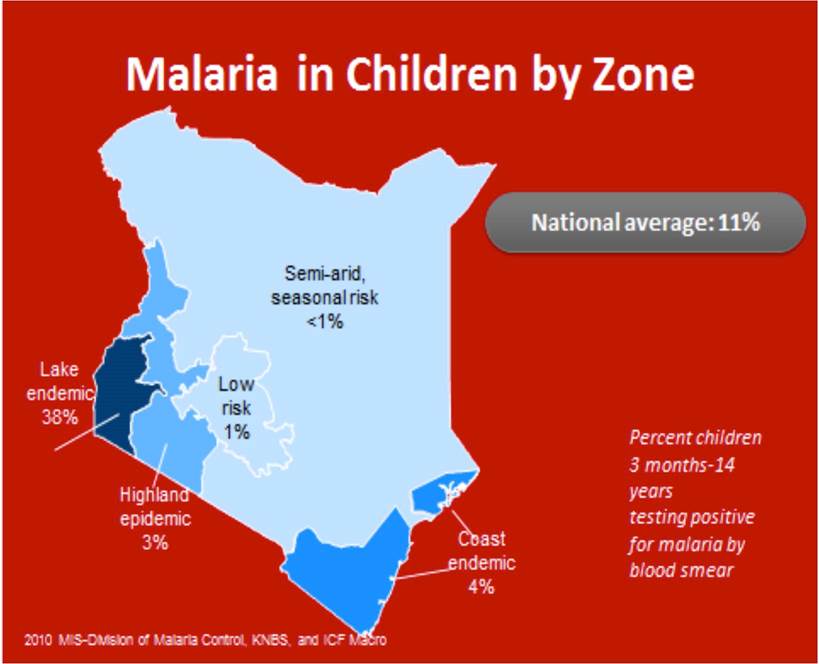
Endemic areasOne of the panel presentations is “Performance Quality Improvement Lending to Corrected Documented Outcomes for Intermittent Preventive Treatment in Kenya,” by Jhpiego staff Muthoni Kariuki, Augustine Ngindu Isaac Malonza, and Sanyu Kigondu, who are working with USAID’s Maternal & Child Health Integrated Project (MCHIP).

According to Malaria policy in Kenya all pregnant women in malaria endemic areas receive free intermittent preventive treatment with SP have access to free malaria diagnosis and treatment when presenting with fever have access to LLINs (National Malaria Strategy (NMS) 2009–2017).

By 2013 80% of people living in malaria risk areas should be using appropriate malaria preventive interventions. Intermittent Preventive Treatment of malaria in pregnancy using Sulfadoxine Pyrimethamine (IPTp-SP) intervention is recommended for use in malaria endemic region.

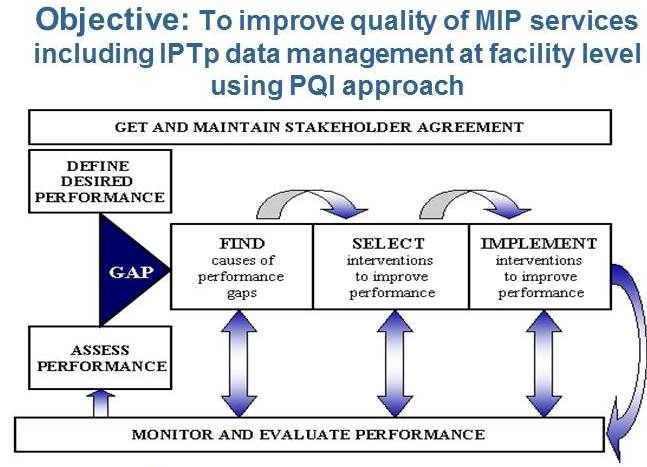
PQI approachMCHIP broadly implemented Capacity Development and service delivery and improvement interventions that also had impact on the delivery of malaria in pregnancy services through collaboration with the Ministry of Health divisions/units at national level: (malaria, reproductive health, community health).

At county level scale up provision of IPTp at facility level took place in 14 malaria endemic counties. This included 8 counties in the lake endemic region including Bondo sub-county (the MCHIP model sub-county) and 6 in the coastal endemic region.

Quality Improvement through Performance Quality Improvement (PQI) process was instituted to enhance service delivery. The MCHIP era in Bondo Strengthened ANC Services using the following:

  • Development of MIP Standards-Based Management and Recognition (SBM-R) standards
  • Orientation of facility in-charges, supervisors and service providers on the standards
  • Monitoring of IPTp uptake using DHIS2 data
  • Feedback to facility in-charges and supervisors on DHIS2 findings
  • Collection of ANC data from ANC registers (2011-2013)
  • Feedback to facility in-charges and supervisors on ANC data

Quality improvement in the malaria in pregnancy component was undertaken with the objective to improve quality of MIP services including IPTp data management at facility level using PQI approach. An Example of a MIP SBM-R standard is seen below.

Sample StandardIn-service training focused on orientation of facility in-charges on PQI who then continued orientation at Facility Level. Overall we oriented 1200 facility in-charges and 100 supervisors on the standards. Facility in-charges cascaded orientation to 2,441 service providers.

ANC DataWe then analysed ANC data from DHIS (2011-2013) indicated proportion of pregnant women receiving IPTp2 was higher than IPTp1 (IPTp2+ doses reported as IPTp2 dose). We helped improve reporting by  service providers not oriented on use of the ANC register in order to reduce data errors.

In conclusion, PQI is a best practice in provision of MIP services. Standardization of knowledge among service providers is essential in provision of quality MIP services. Development of facility in-charges as mentors in the facility to ensure continued orientation of new service providers.

Use of appropriate monitoring tools is necessary to assist in assessment of quality of services provided including data management. Feedback to service providers is one of the performance rewards and encourages participation in knowledge acquisition


Health Systems &Human Resources &Integration &Malaria in Pregnancy Bill Brieger | 02 Nov 2014

Improved Malaria Services in Malawi: Jhpiego and USAID at ASTMH

ASTMH 2014Monday afternoon (3 October 2014) at the American Society for Tropical Medicine and Hygiene Annual Meeting in New Orleans, Jhpiego and USAID/PMI are sponsoring a panel on “Integrating and Innovating: Strengthening Care for Mothers and Children with Infectious Diseases.” If you are at the meeting please attend to learn more about our Malaria activities in Malawi.

One of the panel presentations is “Improving Malaria Outcomes in Malawi: Focusing on Integration of Services at all Levels” presented by John Munthali, Senior Technical Advisor, Jhpiego/Malawi. John works with Support for Service Delivering Integration-Services (SSDI-S), a USAID bilateral program (2011-2016) with Partnerships in 15 Districts involving the Ministry of Health, Jhpiego, Save the Children International, Care Malawi and Plan International.

Malawi IPTpSSDI-Services focuses on Malawi’s Essential Health Package (EHP) Focal Areas with particular emphasis on Maternal Health, Newborn and Child Health, Family Planning and Reproductive Health, HIV/AIDS and TB, Nutrition and Malaria. Aspects of the Malaria Component include Intermittent Preventive Treatment and Insecticide Treated Bed Nets

SSDI-S is based on Promotion of the continuum of care from household to hospital. Health Facility Approaches address Improved Technical Capacity of Health Workers, Functional Health Facility, and Data-informed Decision Making. Community Approaches involve Improved Technical Capacity of CHWs, Functional Village Clinics, and Community Mobilization. Integration is a major concern such that there are no missed opportunities of EHP services at all levels.

Positive Trends since have been seen since Inception. Malaria in Pregnancy interventions supported the National Malaria Control program to review the Malaria in Pregnancy guidelines and training manuals to adopt the new WHO policy recommendations. 74 Trainers were trained in all 15 districts. MNCH services were established in selected districts. 344 HSAs were trained. 70 community-based Core Groups oriented on MNCH. SSDI supported ongoing MNCH activities through review meetings and distribution of reporting forms.

Malawi IPT2 improvementsAs a result of these integrated high impact interventions there has been a remarkable increase in the uptake of IPTp 2 (16% in June 2012 to 64% in Sept. 2013) by pregnant women in the SSDI-services focus districts. Central to this increase is the integration of services at the facility level where malaria has been highly integrated into maternal, newborn and child health. The project has also seen IPTp 1 uptake maintained at above 91% in all the 15 districts

Malaria Care capacity building has resulted in improved iCCM services delivered by Health Surveillance Assistants (HSAs) at village clinics. iCCM is serving as the foundation for community-based treatment of malaria by HSAs while at facility level IMCI provides an integrated approach to manage childhood illnesses including malaria.

In conclusion, it is feasible to integrate MNCH programs at all levels using SBCC and Systems Strengthening. Having an integrated project looking at the whole spectrum of health services (system strengthening, service delivery and behavior change) can help improve programming & service delivery.

Diagnosis Bill Brieger | 02 Nov 2014

Fyodor UMT Researchers at ASTMH

Recently we shared the news that Fyodor Biotechnologies’ new Urine Malaria Test (UMT) has been approved by Nigeria’s food and drug agency. The research team from the University of Lagos and Fyodor will be at the American Society of Tropical Medicine and Hygiene Annual Meeting.

ASTMH 2014The poster abstract is outlined below, but please visit the actual poster on Tuesday at #882 Poster Session B starting at noon, to learn more from the researchers and discuss the implications for the future of malaria case management.

———–>

Effective case management of malaria requires prompt diagnosis and treatment within 24 hours. Despite current policy guidelines that mandate confirmed parasitological diagnosis before treatment, access to diagnostic testing remains low in sub-Saharan Africa.

Today, malaria diagnosis is only by blood-tests (microscopy and rapid diagnostic tests, RDTs), which are invasive, multistep and therefore  relatively complex to perform, require technical expertise, and not available in most public and private sector healthcare settings where more than 65% of the population seek care.

umt1Here, we report the results of a multicenter pivotal clinical trial of Fyodor Urine Malaria Test (UMT) – a simple  (one-step, no blood, no reagents, no equipment) dipstick test that detects Plasmodium falciparum parasite proteins shed in the urine of febrile malaria patients. A total of 1,893 participants (?2 years) with fever (axillary temperature ?37.5°C) or history of fever in the last 48 hours were enrolled at 6 primary healthcare centers in rural and suburban communities in Lagos State, Nigeria, over a 7-month period that covered both rainy and dry seasons.

Matched patient urine and fingerprick blood sample were tested using the UMT, Binax NOW (Inverness) (HRP-2/pLDH) test, and microscopy. A total of 358 participants (18.9%) had confirmed malaria by microscopy; Fyodor UMT, 450 (23.8%); Binax NOW (pLDH), 386 (20.4%) and Binax NOW RDT (HRP-2), 731 (38.6%).

Statistical data analyses to determine test performance characteristics are ongoing and will be made available within a month. The UMT has the potential of expanding access to malaria diagnosis especially in settings where blood test is not possible.

Authors: Wellington A. Oyibo, Nnenna Ezeigwe, Godwin Ntadom, William Brieger, Wendy O’Meara, Anne Derrick, Bao Lige, Oladosu Oladipo, Eddy C. Agbo

« Previous PageNext Page »