Posts or Comments 29 April 2026

Indoor Residual Spraying &Integrated Vector Management &Mosquitoes Bill Brieger | 21 May 2014

Indoor Residual Spraying – not a one-trick pony

Jasson Urbach and Donald Roberts claim that the malaria fight is hurt by flimsy anti-DDT research as they opine in Business Day (South Africa) on 9th May 2014. They are particularly exercised by an article on possible DDT effects on bird egg shells. Despite the controversy sparked by the article, there is no evidence that any individual country nor WHO itself is recommending removal of DDT from the arsenal of chemicals used in indoor residual spraying (IRS) to control malaria.

PMI: http://www.pmi.gov/how-we-work/technical-areas/indoor-residual-spraying

PMI: http://www.pmi.gov/how-we-work/technical-areas/indoor-residual-spraying

There is something about DDT that raises hackles among proponents and detractors. But malaria vector control planners do have choices. WHO recommends 14 insecticides for indoor residual spraying against malaria vectors as seen below in an list updated on 25 October 2013:

  1. DDT
  2. Malathion
  3. Fenitrothion
  4. Pirimiphos-methyl
  5. Pirimiphos-methyl
  6. Bendiocarb
  7. Propoxur
  8. Alpha-cypermethrin
  9. Bifenthrin
  10. Cyfluthrin
  11. Deltamethrin
  12. Deltamethrin
  13. Etofenprox
  14. Lambda-cyhalothrin

Ironically DDT tops the list.  No chemical is 100% safe, so the caveat with any of these chemicals is that, “WHO recommendations on the use of pesticides in public health are valid ONLY if linked to WHO specifications for their quality control. WHO specifications for public health pesticides are available on the Internet.

Interestingly, a bigger concern should be the potential for mosquitoes to develop resistance to any of the above mentioned insecticides.  This is why it is important to avoid putting all our eggs – soft or hard shelled – in one basket. Ideally insecticides should be rotated often to prevent resistance from developing.

Decisions to embark on IRS and choice of insecticides should be based on national and sub-national environmental and epidemiological characteristics, not emotional attachment to any particular product.

Communication &Education Bill Brieger | 19 May 2014

Educating the Media on Malaria Control

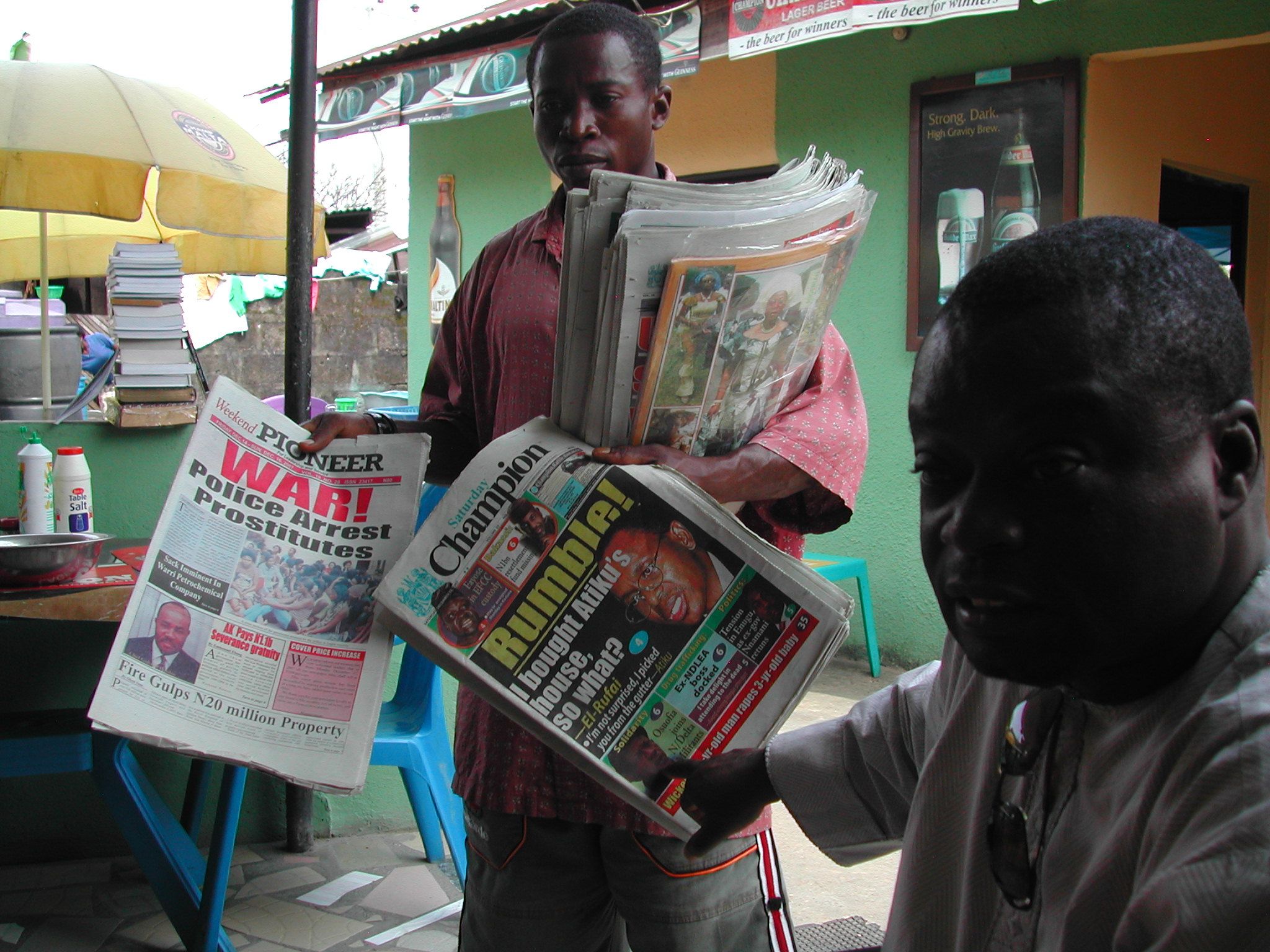
The mass media – electronic, print and now social – play an important role in the fight against malaria.  The media reach diverse audiences from villagers to policy makers.  Because of their potential influence, the media must have the story right when it comes to malaria.

DSCN2402A news story published online this morning from a highly malaria-endemic country shows how some subtle but important mistakes can give wrong impressions and lead to wrong actions. The fact that the information is attributed to “medical science experts” does not mean that the reporters quoted them in the correct context.

The first example from the story is, “Spending on malaria and dengue fever treatment programmes should be controlled, with more efforts directed to preventive measures …”  As a disease caused by a virus, dengue does not have a definitive treatment, if by treatment we mean a cure.

Life saving palliative care is important in dengue, but dengue in Africa usually goes undiagnosed and is unfortunately often treated by wasting malaria drugs. The issue is not reducing treatment funds, but using rapid diagnostic tests so that we will not waste our expensive malaria medicines on non-malarial fevers.

The article next talks about how scientists in the country, “are advising the government to authorise controlled use of the banned pesticide DDT to strengthen mosquito eradication and bite control programmes in the country.”  DDT has been used for indoor residual spraying against the malaria carrying anopheles mosquitoes.  This fits into the anopheles behavior of resting on walls after biting.

By contrast dengue is carried by Aedes aegypti mosquitoes.  They are the ones that breed in pots, tins, etc. around the house, and DDT is not a major part of the efforts to control them. Household members are responsible for removing or not even allowing such small collections of water to occur in their houses, on their property and among their neighbors.

A final odd claim is that, “Donor funded health programmes are disadvantaged because the in-country implementers ‘accept each and every thing directed to them by the donors without challenging their ideas.’” For the biggest malaria funding programs this is not true.  The Global Fund for years has required that countries submit their own proposals that were developed and passed through their own national country coordinating mechanisms.

Now Global Fund is requiring countries to submit their own national malaria strategies as a basis for funding. The Global Fund is a financial organization, not a technical one, and thus is not directing countries what to do other that spend their money well on scientifically sound interventions.

Other donors work together with national malaria control programs and their partners to develop country specific and relevant operational plans. Donors do encourage countries to implement scientifically proven guidance that is developed by international technical committees whose members include scientists from endemic countries.

The points above could create unfortunate misunderstandings by the public (about insecticides), professionals (about treatment) and policy makers (about donor support). The media should foster appropriate and timely action against malaria, not confuse the public.

Burden &Malaria in Pregnancy &NCDs Bill Brieger | 16 May 2014

Malaria, Hypertension and Pregnancy: where communicable and non-communicable diseases may cross paths

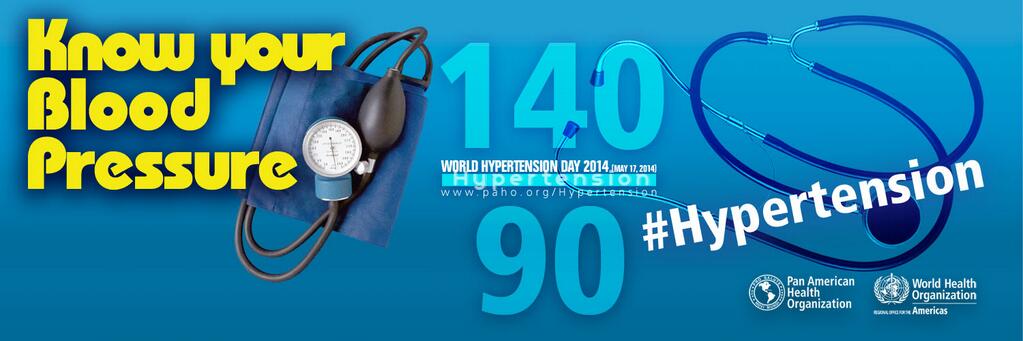
WorldHypertensionDay_SmallTomorrow, May 17th, is World Hypertension Day.  Much attention of recent has been focused on the importance of non-communicable diseases (NCDs) like hypertension in terms of global burden, and concerns have been expressed that communicable or infectious diseases (CDs) may become neglected, although they still cause huge levels of morbidity and mortality. What people may not realize is that there are connections between the NCDs and the CDs.

World Hypertension DayBetter research is needed to document the relationships and influences of one on the other, but some preliminary work has been done with pregnant women who are susceptible to both hypertension and malaria.  What does that combination do?

What the existing literature implies so far is that malaria in pregnancy may in fact be associated with hypertension in some cases and that both conditions can lead to intra-uterine growth retardation and low birth weight.  Also boys who were born to mothers with malaria in pregnancy had excess hypertension in their first year of life and girls had higher SBP.

Hypertension malaria LBWThe role of malaria in pregnancy in low birth weight is well established. Furthermore Lackland and colleagues shared that, “there have been numerous ecologic and observational studies that identified significant inverse associations of birth weight with blood pressure levels at various ages in later life.” A graphic posted to the right shows potential malaria and hypertension interactions. These are areas that deserve more observation, documentation and research.

Overall we can see that there is not a real dichotomy between CDs and NCDs, and both interact in the health of individuals, families and communities.

Community Bill Brieger | 12 May 2014

Community case management – in the community or of the community?

In response to sharing of the following article: “Community case management of malaria: exploring support, capacity and motivation of community medicine distributors in Uganda” by Banek et al., a colleague responded that it, “confirms what is known from ever: communities do not sustain their CHWs. When the INGO (international NGO) withdraws, CHWs drop their tools, this is history.”

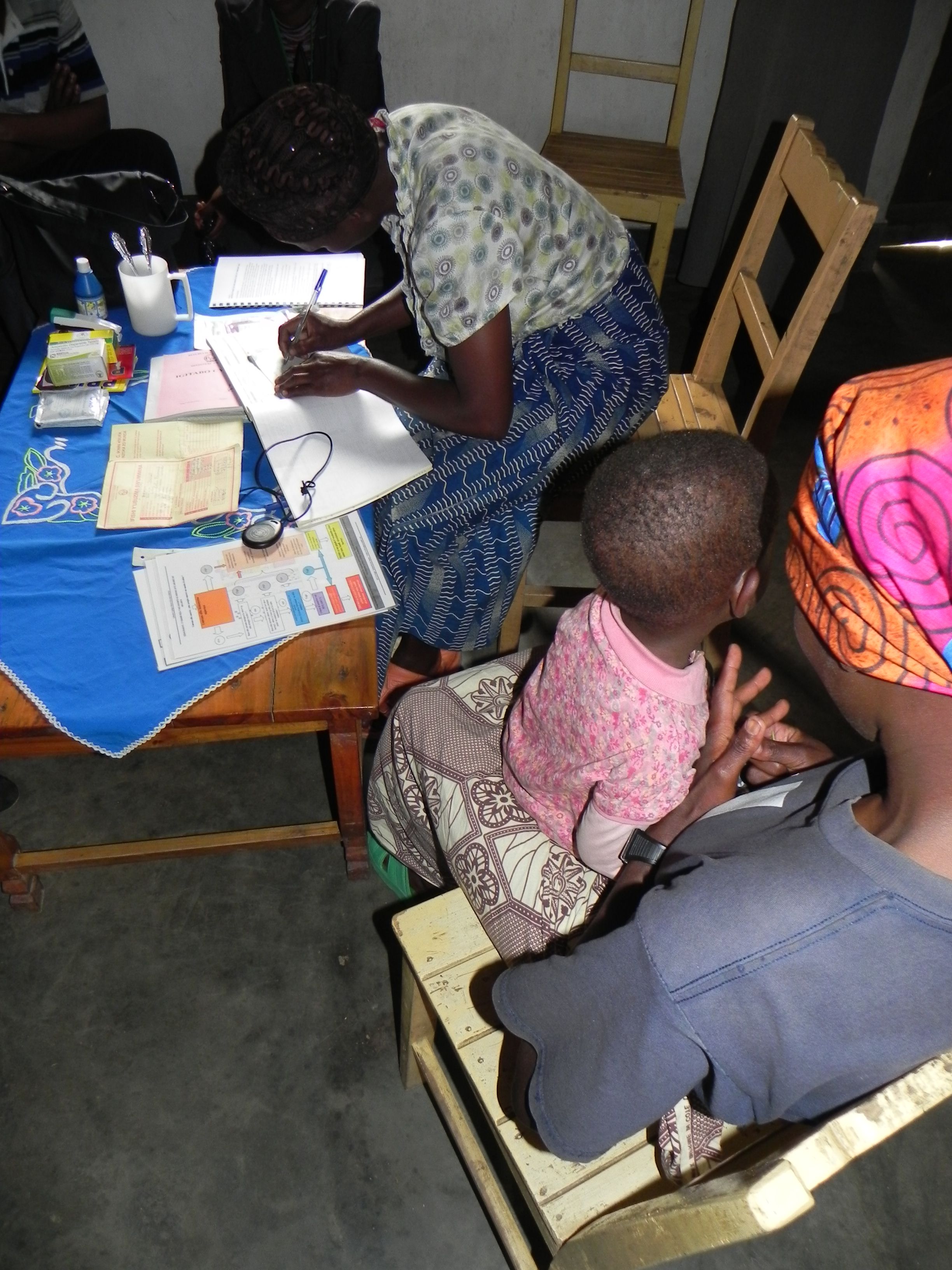
DSCN7161The article itself, a qualitative assessment of community medicine distributors (CMDs) from a program of home/community based management (HBM) of malaria in Uganda that was started around 2002, did paint a bleak picture of volunteer motivation, support and supervision. Unfortunately the article focused either on the motivation of the individual CMDs or on the health system and its employees. We do not come away from reading this article with an understanding of the role of the community and why the CMDs felt disappointed at the level of community support they received.

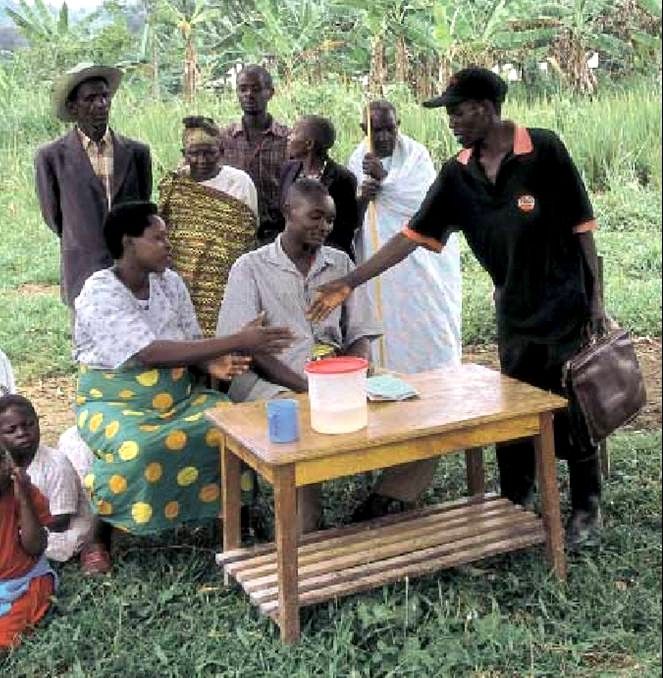
In fact community volunteers do not always drop out or if they do, communities can actually replace them if the program is organized well. The African Program for Onchocerciasis Control  (APOC)  has maintained community distribution of ivermectin since 1997-98 in now over 120,000 villages. The key to the success of community directed distributors (CDDs) of ivermectin was the approach that focused on getting community commitment, not on individual volunteers.

In fact this approach, now know as community directed intervention (CDI) has been found appropriate to delivering a package of simple interventions, including community case management of malaria. What makes the difference in CDI is first the determination of what constitutes a community and secondly that the community itself manages the interventions, not individual volunteers, though CDDs who are selected by the community certainly play a major role.

iver distFirst, what is the ‘community?’ Experience with APOC has shown that one needs to consult with local people on the ground to determine what is a community.  When program planners, for example, in eastern Nigeria thought lets encourage ‘the community’ to select a couple volunteers, they did not realize that an ‘autonomous community’ or town, while having its own chief and council, was actually made up of 4-6 ‘villages’ of from 1,000 to 5,000 people having their own leaders.  If the community/town selected a couple volunteers two problems occurred – 1) the workload was high and CDDs became discouraged and 2) not all villages were represented so villages without CDDs felt neglected and did not participate well.

A closer look by sociologists involved in the program learned what was the smallest natural unit of commnuity. They saw that in fact even the villages were made up of kin groups of 100-200 people. Ultimately it was found that selection of CDDs by their kin group worked best. They could be held accountable by close relatives and friends and they would have a manageable volunteer workload.

The supplies needed did not vary much as the population estimates still accounted for the whole town. The design of the training was simplified enough and held in local schools or other public buildings so that costs were minimal. Peer support and meetings at the nearest health facility played an important and low cost function in supervision.

Similar lessons were learned in western Nigeria which had a different settlement pattern based on towns and satellite farm hamlets. As long as family compounds in town (kin groups) and outlying hamlets were directly involved in selecting and supervising their own volunteers, the services were delivered.  Communities could chose as many volunteers as they needed, and when additional service components were added, communities could decide to increase the number of CDDs so that no one volunteer was burdened with the whole package.

Lessons learned in HMMA number of articles have arisen from the Uganda home based management of malaria project and work continues with the support of other NGOs and government agencies.  What is of interest is the fact that over the history of the work, little has been said about the community. One WHO publication that discussed the early stages mentioned “Selection of distributors in Uganda took place during village council meetings,” but there was also reference to having “at least two distributors in each parish and more in larger communities.”

The districts of Uganda are divided into counties which themselves are divided into sub-counties, and are further divided into parishes and villages.  It appears that parishes may have several villages, so again it is not clear whether the Uganda HBM project was based on the smallest natural units of community or not.

Banek and colleagues conclude that, “social factors that impact on the implementation of community-based programmes, such as community perceptions and acceptability and community health worker motivation, remain understudied.”  The reality is that people in the malaria world have not communicated well with people working on onchocerciasis and NTDs. Had they done so, they would realize that there has been much study on how to set up sustainable volunteer programs in thousands and thousands of villages that put the community in charge. It is not enough to work in the community, the community must be in charge
Borders &Surveillance Bill Brieger | 02 May 2014

Failure of malaria control efforts in northern Zambia

UNICEF, Zambia http://www.unicef.org/zambia/5109_8454.html

UNICEF, Zambia http://www.unicef.org/zambia/5109_8454.html

World Malaria Day 2014 was observed at the Johns Hopkins Bloomberg School of Public Health on Friday 25 April. 21 posters were presented. Below is the abstract of a third poster presented William Moss and colleagues from the Southern Africa International Centers of Excellence for Malaria Research.

Despite distribution of insecticide-treated bed nets, indoor residual spraying and case management with rapid diagnostic tests and artemisinin-based combination therapy, the burden of malaria remains high in northern Zambia.

RBM Impact Series Zambia http://www.rbm.who.int/ProgressImpactSeries/report7.html

RBM Impact Series Zambia http://www.rbm.who.int/ProgressImpactSeries/report7.html

Through passive case detection at health care facilities and active case detection through community-based surveys, we have documented persistently high parasite prevalence in Nchelenge District, Luapula Province, Zambia on the border of Lake Mweru with the Democratic Republic of Congo. Individual and household level risk factors for malaria were assessed and a spatial risk map constructed.

Pyrethroid resistance in local Anopheles funestus populations likely contributes to failure of current control efforts. Potentially contributing to malaria transmission is population movement from the lakeside to inland as fishing and agricultural seasons alternate.

Equally important may be cross-border movement between Nchelenge District, Zambia and Katanga Province in the Democratic Republic of Congo, suggesting the importance of epidemiological and entomological studies of cross-border malaria.

Borders &Surveillance Bill Brieger | 01 May 2014

Resurgent Malaria in Eastern Zimbabwe

Mutasa District ZimbabweWorld Malaria Day 2014 was observed at the Johns Hopkins Bloomberg School of Public Health on Friday 25 April. 21 posters were presented. Below is the abstract of another poster presented William Moss and colleagues from the Southern Africa International Centers of Excellence for Malaria Research.

Eastern Zimbabwe has experienced recent large outbreaks of malaria after a history of successful control. Through passive case detection at health care facilities and active case detection through community-based surveys, we have documented seasonal malaria outbreaks in Mutasa District, Manicaland Province, Zimbabwe on the border with Mozambique.

We identified individuals with subpatent parasitemia who may be responsible for sustaining transmission during the dry season.

Pyrethroid resistance in local Anopheles funestus populations likely contributes to failure of current control efforts.

Potentially contributing to malaria transmission is population movement across the border with Mozambique.

* * * * * * *

Of interest, The Standard newspaper of Zimbabwe recently reported on this problem saying that, “Malaria burden remains high in border towns in Zimbabwe, especially in areas close to Mozambique, health experts have said. While the overall national statistics indicate a major decline from 5 000 deaths to 300 per year, border districts like Mudzi are still recording high cases.”

Epidemiology &Surveillance Bill Brieger | 01 May 2014

The feasibility of achieving and sustaining “malaria-free zones” in southern Zambia

World Malaria Day 2014 was observed at the Johns Hopkins Bloomberg School of Public Health on Friday 25 April. 21 posters were presented. Below is the abstract of a poster presented William Moss and colleagues from the Southern Africa International Centers of Excellence for Malaria Research.

miam_handbook_articleimageThe Government of Zambia is committed to creating “malaria-free zones” in southern Zambia. Through passive case detection at health care facilities and active case detection through community-based surveys, we have documented a dramatic decline in the burden of malaria in the catchment area of Macha Hospital, Choma District, Southern Province, Zambia from 2008 through 2013.

Macha Hospital: https://www.flickr.com/photos/inmed/sets/72157625850417125/

Macha Hospital: https://www.flickr.com/photos/inmed/sets/72157625850417125/

However, residual foci of transmission exist and the potential for repeated importation remains. We identified individuals with subpatent parasitemia and gametocytemia who may be responsible for sustained, low-level transmission and evaluated reactive case detection strategies to identify and treat these individuals using simulation models.

Factors associated with sustained insecticide-treated bed net use were evaluated in light of the declining burden of malaria. Parasite bar coding of 24 SNPs should permit the identification of imported parasites.

Results of a longitudinal analysis of changes in antibody responses to 500 Plasmodium falciparum antigens using a protein microarray should allow detection of residual transmission and document loss of humoral immunity in the absence of exposure.

Uncategorized Bill Brieger | 27 Apr 2014

A free online app for planning malaria control and outbreak responses in the Peruvian Amazon

World Malaria Day 2014 was observed at the Johns Hopkins Bloomberg School of Public Health on Friday 25 April. 21 posters were presented. Below is the abstract of a poster presented by Antonio M. Quispe (aquispe@jhu.edu) and Josiah L. Kephart of the U.S. Naval Medical Research Unit Six (NAMRU-6), Lima, Peru and Johns Hopkins Bloomberg School of Public Health, Baltimore.

Quispe F1After a decade of decline, malaria prevalence in the Peruvian Amazon quadrupled from 2010 to 2013.(1) The most plausible explanation for this reemergence is administrative, as a concurrent dengue outbreak has forced authorities to reallocate their resources away from malaria and towards dengue. The current surveillance system provides epidemiological analysis on a macro level only, limiting decision-makers ability to efficiently distribute resources towards both diseases simultaneously by targeting outbreaks on a micro level and in a timely manner.

Quispe F2We have developed the Free Surveillance Application (FREESAPP), an online application that facilitates epidemiologic analysis and cost-effectiveness decision trees using data already collected by the malaria surveillance system. By leveraging free and publicly available software (Google Docs, R, etc.), the app provides public health decision-makers with the ability to transform weekly epidemiological reports into exploratory analysis, monitor epidemiologic thresholds, and assess the cost-effectiveness of deploying various control methods.

FREESAPP enables users to visually contrast malaria incidence rates with   epidemiological thresholds. When the weekly epidemiologic report is uploaded, the visualization will automatically update, providing a signi?cant time-advantage over the current system of annual   reporting. These comparisons can be also performed across reporting levels, from the regional   to individual health center levels (Fig 1).

Quispe F3The app facilitates follow-up analysis through the ability to combine or adjust for various relevant covariates (incident rate, population size, P. vivax proportion, time, etc.) using several display options (bubble, bar, and line charts) and offering a variety of mathematical transformations (linear and logarithmic) (Fig 2).

FREESAPP allows decision makers to get a sense of the relative costs of deploying a team of health workers to perform either active case detection (ACD) or reactive case detection (RCD) in responses to an outbreak or malaria elimination effort within a particular community. ACD targets the malaria burden (symptomatic cases only) by searching for malaria cases among the entire population at risk, while RCD targets the malaria reservoir (both symptomatic and asymptomatic cases) by focusing on malaria infections within high-risk sub-populations.(2) To compare these methods, we have developed a decision tree that assists in the decision-making process of the optimal strategy for outbreak responses and malaria elimination initiatives, adapting the model developed by Shillcut et al.(3)

Quispe F4By utilizing publicly available software, FREESAPP can provide public health decision-makers with valuable insight into malaria outbreaks and cost-efficient responses. Present malaria and dengue control efforts in Peru are limited by a lack of access to timely epidemiological analysis across all health-system levels. FREESAPP offers valuable and accessible tools to improve public health leaders’ ability to leverage data from existing surveillance systems of malaria and other infectious diseases to implement efficient and effective interventions.

References

  1. WHO. Global Malaria Report 2013. Geneva: World Health Organization, 2013.
  2. Moonen B et al. Operational strategies to achieve and maintain malaria elimination. Lancet. 2010; 376(9752): 1592-603
  3. Shillcutt S et al. Cost-effectiveness of malaria diagnostic methods in sub-Saharan Africa in an era of combination therapy. Bull World Health Organ. 2008;86(2):101?10

Epidemiology &Health Information &Monitoring &Surveillance Bill Brieger | 26 Apr 2014

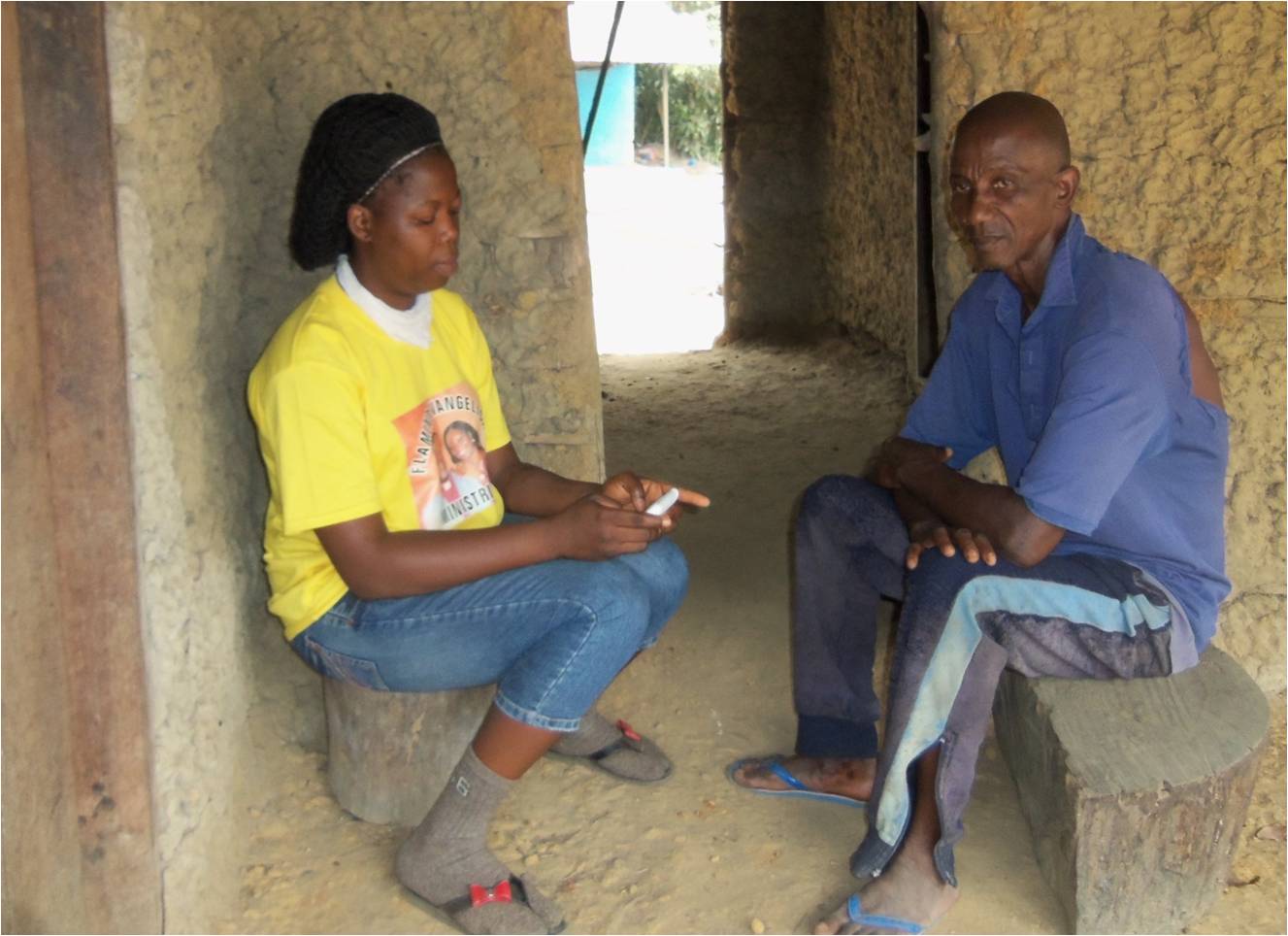
iPhones for household malaria surveys in Sierra Leone

World Malaria Day 2014 was observed at the Johns Hopkins Bloomberg School of Public Health on Friday 25 April. 21 posters were presented. Below is the abstract of a poster presented by Suzanne Van Hull of Catholic Relief Services.iForm Builder picture on iPhone

Catholic Relief Services (CRS) and the Ministry of Health and Sanitation (MoHS) of Sierra Leone (SL) are co-implementing nationwide malaria prevention and treatment activities funded by the Global Fund to fight AIDS, Tuberculosis and Malaria. In order to track progress and impact, CRS and partners led the implementation of a malaria indicator survey (MIS) in early 2013 covering a nationally-representative sample of 6,720 households, inclusive of blood testing to determine prevalence of anemia and malaria. In early 2012, CRS also had the experience of using mobile technology for a Knowledge Attitude and Practices (KAP) study.

Fieldworkers used Apple 3GS iPhones for both surveys to collect data via the iFormBuilder platform, a web-based, software-as-services application with a companion app for the mobile devices allowing for timely data collection, monitoring, and analysis.

This was the first time that iPhones were used for a MIS, and lessons learned include: allowing at least four months to transform paper-based questionnaires into electronic format, giving the program enough time for pre-testing the tool and training data collectors/biomarkers/laboratory technicians, and involving key malaria stakeholders to ensure a nationally-led survey. Global Positioning Systems enabled the MoHS to make in-depth analyses on malaria trends based on geographic locations.

KAP survey on iPhoneOverall the benefits of an electronic versus a paper-based MIS questionnaire outweighed the challenges. The iPhone technology eliminated the need for paper transcribing, allowing for quicker data tabulation, real-time identification of mistakes, faster interviewing through skip patterns, and a close-to-clean dataset by the end of data collection saving time and money.

Survey results will be used to set evidence-based targets for all partners’ future malaria activities, especially the next 3 years of GF-supported malaria grants

Private Sector &Treatment &Universal Coverage Bill Brieger | 25 Apr 2014

Malaria and febrile illness care seeking in Bauchi State, Nigeria

World Malaria Day 2014 was observed at the Johns Hopkins Bloomberg School of Public Health. Admiral Tim Ziemer, the Coordinator of the US President’s Malaria Initiative was keynote speaker. Other speakers from the NGO and faith based organization community also talked about the importance of partnership in fighting a disease that still claims 600,000 lives annually.  In addition 21 posters were presented.

Below is the abstract of one poster representing our work with USAID’s Targeted States High Impact Project in Nigeria.

Malaria and febrile illness care seeking in Bauchi State, Nigeria: context for improving case management at the primary level

Seeking of appropriate and qDSCN2939uality care for childhood illnesses is a major challenge in much of Africa including Bauchi State, Nigeria. In advance of an intervention to improve available care in the most common points of service (POS), government primary health care centers (PHCs) and patent medicine vendors (PMV), a survey was done of child caregivers in four districts concerning responses to febrile illness, suspected malaria, acute respiratory disease and diarrhea. The ethical review committee in the Bauchi State Ministry of Health approved of the study.

A total of 3077 children below the age of five were identified in the households sampled. Their mothers, fathers or other caregivers consented and were interviewed. Among the children 74% had any Illness, 57% had fever, 26% had cough, and 15% had diarrhoea. Only 8.7% of 1186 febrile children had their blood tested.

Care seeking from PMVs varied from 45% with fever, 40% with cough to 36% with diarrhoea. Care from public sector POS varied from 26-33%. Treatment that might be considered ‘appropriate’ for each also varied with 30% receiving antimalarial drugs for suspected malaria, 20% getting oral rehydration solution for diarrhoea and 50% being given an antibiotic for a suspected acute respiratory illness.

The results show that providing quality integrated case management with appropriate commodities through PHCs and PMVs can improve the illness care of a majority of children in Bauchi State, and interventions are currently being planned to do this.

Poster by … William R. Brieger, MPH, CHES, DrPH 1, Bright Orji, MPH 2, Masduk Abdulkarim 3, (1) International Health, Bloomberg School of Public Health, The John Hopkins University, 615 N Wolfe St, Baltimore, MD 21205 (and Jhpiego). (2) Jhpiego, Thames St, Baltimore, MD 21231`. (3) Targeted States High Impact Project USAID Nigeria, Bauchi, Nigeria.

« Previous PageNext Page »