Posts or Comments 28 April 2026

Communication &Ebola Bill Brieger | 07 Nov 2016

Ebola and the Irony of Bush Meat

The deadly Ebola epidemic of 2013-15 in West Africa was suspected of having started when a child in a remote village of Guinea came in contact with infected bats. After that initial episode NONE of the thousands of subsequent cases were traced to zoonotic causes, and yet the health authorities and the media put high level focus on the need to avoid bush meat – whether bats, monkeys, antelope or others – as a prime way to avoid the disease.

dos-and-donts-ebola-poster-final-07jul14_amhNew evidence is emerging that in fact it the evolving relationship between the virus and humans that allowed the disease to spread so widely. within the animal kingdon, humans, not bush meat where the major spreaders of Ebola.

Now two conflicting reports have surfaced about efforts to curb the consumption of bush meat.  First, a research team based in Rivers State, Nigeria, one of the places where Ebola reached, conducted a study that tracked the average number of carcases recorded in each market before and after the Ebola virus spread in Nigeria in June 2014. They reported that …

“The markets were surveyed twice a month between March and September 2014. Our survey found a statistically significant fall in trade for all the main traded types of animals. These included antelopes, monkeys, genets, mongooses, rodents, porcupines, birds, crocodiles, turtles and snakes. In particular, the trade in monkeys and fruit bats almost disappeared. Trade in turtles, crocodiles and other cold-blooded species was less affected.”

The group concluded that bush meat, though culturally valued, was “not as important as previously thought for rural people in west Africa.”

83ebb85e-bc1e-11e3-_562888c-getty-imagesThe second report, published a few days later, was posted in the Nigerian newspaper, Vanguard, and echos earlier stories.  ”

“Some bush meat sellers in some major markets in Lagos have said the business is booming again barely two years after the country was declared Ebola Virus Disease free. Some of the bush meat sellers told newsmen on Saturday that they were fully back to their business.”

Behavior change is not a simple process, especially when it comes to culturally rooted practices. Had better hygiene practices been possible by health workers and the public, it is possible that Ebola would have remained isolated. We should worry more about guaranteeing health workers the skills and equipment needed for infection prevention that the sales of bush meat.

Announcement &Epidemiology &IPTp Bill Brieger | 04 Nov 2016

Malaria work of Jhpiego to be featured at ASTMH 65th Meeting

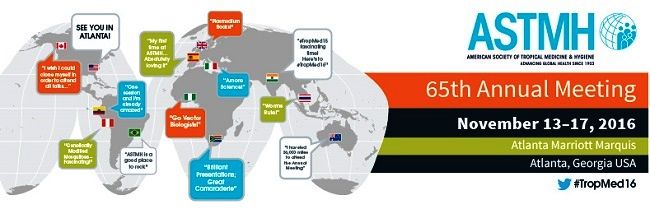
jhpiego-logo-from-slideThe malaria work of Jhpiego will be featured in 8 posters and two symposia during the upcoming 65th annual meeting of the American Society of Tropical Medicine and Hygiene in Atlanta from 13-17 November 2016. Below are titles of the posters and descriptions of the symposia along with session information that will help people find the presenters. We will share abstracts closer to the actual time of presentation. Follow the conference on twitter through #TropMed16.

_astmh-informz-16

Poster Presentations

  1. Collaborative efforts to improve prevention of malaria in pregnancy in Burkina mip-bfFaso through use of IPTp-SP. Mathurin Dodo, Stanislas Paul Nebie, Ousmane Badolo, Thierry Ouedraogo Presentation No. 304 Poster Session A
  2. The Improving Malaria Care (IMC) Project’s Contribution to follow up a Pilot to Use Rapid Diagnostic Tests (RDTs) at the Community Level in Burkina Faso. Ousmane Badolo, Stanislas P. Nebie, Moumouni Bonkoungou, Mathurin Dodo, Rachel Waxman, Danielle Burke, William Brieger Presentation No. 218 Poster Session A
  3. Building Capacity to accelerate IPTp uptake through the adoption of 2012 WHO IPTp guidance in Malawi. John Munthali Presentation No. 393 Poster Session A
  4. Rwanda Towards Malaria Pre-Elimination: Active case investigation in a low endemic district. Noella Umulisa, Angelique Mugirente, Veneranda Umubyeyi, Beata Mukarugwiro, Stephen Mutwiwa, Jean Pierre Habimana, Corrine Karema Presentation No. 310 Poster Session A
  5. The Challenge of Reducing Malaria in Angola. Jhony Juarez, Margarita Gurdian-Sandoval, Julio Bonillo, William R. Brieger Presentation No. LB-5113 Poster Session A
  6. Joint efforts, a key to success for the Malaria in Pregnancy Program in Luanda, Angola. Jhony Juarez, Adolfo Sampaio, William R. Brieger, and Domingos F. Gueve Presentation No. 982 Poster Session B
  7. Improving pregnancy outcomes: Alleviating stock-outs situation of sulfadoxine pyrimethamine in Bungoma, Kenya. Augustine M. Ngindu, Gathari G. Ndirangu, Waqo Ejersa, David O. Omoit, Mildred Mudany Presentation No. 815 Poster Session B
  8. Community health: Improving start of IPTp early in second trimester through promotion of MIP at the community level in Kenya. Augustine Ngindu Presentation No. LB-5383 Poster Session C

Symposia

  1. Global Call to Action to Increase Coverage of Intermittent Preventive Treatment in Pregnancy: Progress and Lessons Learned. Symposium 87 Tuesday, November 15, 2016  1:45 PM /  3:30 PM Sponsors: PMI and MCS

Description: The aim of the symposium is to review country progress in sub-Saharan Africa (SSA) in increasing intermittent preventative treatment in pregnancy (IPTp) with sulfadoxine-pyrimethamine (SP).  The symposium will expand the knowledge base among Ministries of Health, donors and partners who are working to increase IPTp-SP coverage to address malaria in pregnancy (MiP). In this symposium, speakers from WHO and the President’s Malaria Initiative will describe how they are prioritizing support to scale up MiP interventions including IPTp-SP across SSA.  Burkina Faso, Malawi and Tanzania will present and discuss how they were able to dramatically scale up IPTp-SP through a health systems approach that addresses MiP from community to district to national level.

  1. Malaria Pre-Elimination: Ensuring Correct Care of Reproductive Age Women. Symposium 146 Wednesday, November 16, 2016 1:45 PM /  3:30 PM

Description: This symposium will present experiences from four countries – Mozambique, Sierra Leone, Brazil, and Dominican Republic; specifically, looking at how these countries have addressed pregnant women in their malaria pre-elimination strategies. Further the symposium will discuss the important ethical considerations that should be reviewed as countries contemplate standard diagnosis, notification and treatment vs. MDA. The lessons learned shared can be disseminated to guide other countries where these strategies are being considered.

CHW &Diagnosis &iCCM Bill Brieger | 30 Oct 2016

Community health workers provide integrated community case management using malaria rapid diagnostic test kits

Please find below the abstract of the above named article that is first appearing as an accepted paper in the journal Research in Social and Administrative Pharmacy. The authors – Bright C. Orji, Namratha Rao, Elizabeth Thompson, William R. Brieger, Emmanuel
‘Dipo Otolorin – conducted this work as part of Jhpiego’s commitment to fighting malaria in Nigeria.

ABSTRACT

Background: Throughout Nigeria malaria is an endemic disease. Efforts to treat malaria can also be combined with other illnesses including pneumonia and diarrhea, which are killing children under five years of age. The use of Rapid Diagnostic Test (RDT) aids early  diagnosis of malaria and informs when other illnesses should be considered. Those with positive RDT results should be treated with Artemisinin-based Combination Therapy (ACTs), while those with negative RDTs results are further investigated for pneumonia and diarrhea.

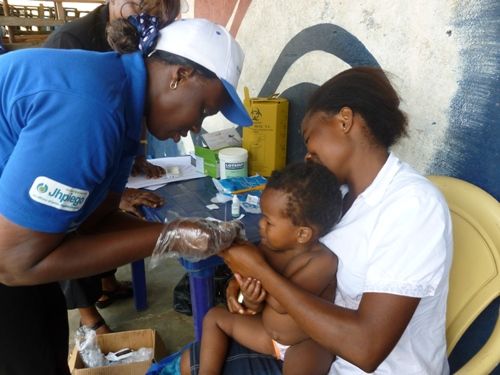
Community Directed Distributor performs malaria rapid diagnostic test of febrile child

Community Directed Distributor performs malaria rapid diagnostic test of febrile child

Critical health systems challenges such as human resource constraints mean that community case management (CCM) and community health workers such as volunteers called Community Directed Distributors (CDDs) can therefore play an important role in diagnosing and treating malaria. This report described an effort to monitor and document the performance of trained CDDs in providing quality management of febrile illnesses including the use of RDTs.

Method: The program trained one hundred and fifty-two (152) CDDs on the use of RDTs to test for malaria and give ACTs for positive RDTs results, cotrimoxazole for the treatment of pneumonia and Oral rehydration solution and zinc for diarrhea They were also taught to counsel on compliance medicine, identify adverse reactions, and keep accurate records. The CDDs worked for 12 Calendar months. Their registers were retrieved and audited using a checklist to document client complaints, tests done, test results and treatment provided. No client identifying information was collected.

Results: There were 32 (21%) male CDDs and 120 (79%) females. The overall mean age of the CDDs was 36.8 (±8.7) years old. 89% of the male CDDs provided correct treatment based on RDT results compared to 97.6% of the female CDDs, a statistically significant difference. Likewise CDDs younger than 36 years of age provided 92.7% correct case management compared to those 36 years and older (98.4%). The difference between the age groups was also significant. There was a strong association between CDDs dispensing ACTs with positive RDT results. In RDT negative cases, the most common course of action was dispensing antibiotics (43.2%), followed by referring the patients (30.34%) and the providing ORS (24.1%).

Conclusion: Volunteer CDDs who are community members can adhere to treatment protocols and guidelines and comply with performance standards. The next step is scaling this approach to a state-wide level.

Accepted Date: 26 September 2016. Please cite this article as: Orji BC, Rao N, Thompson E, Brieger WR, ‘Dipo Otolorin E, Community health workers provide integrated community case management using malaria rapid diagnostic test kits, Research in Social & Administrative Pharmacy (2016), doi: 10.1016/j.sapharm.2016.09.006.

Advocacy &Announcement &Elimination Bill Brieger | 17 Oct 2016

Malaria Day in The Americas Forum

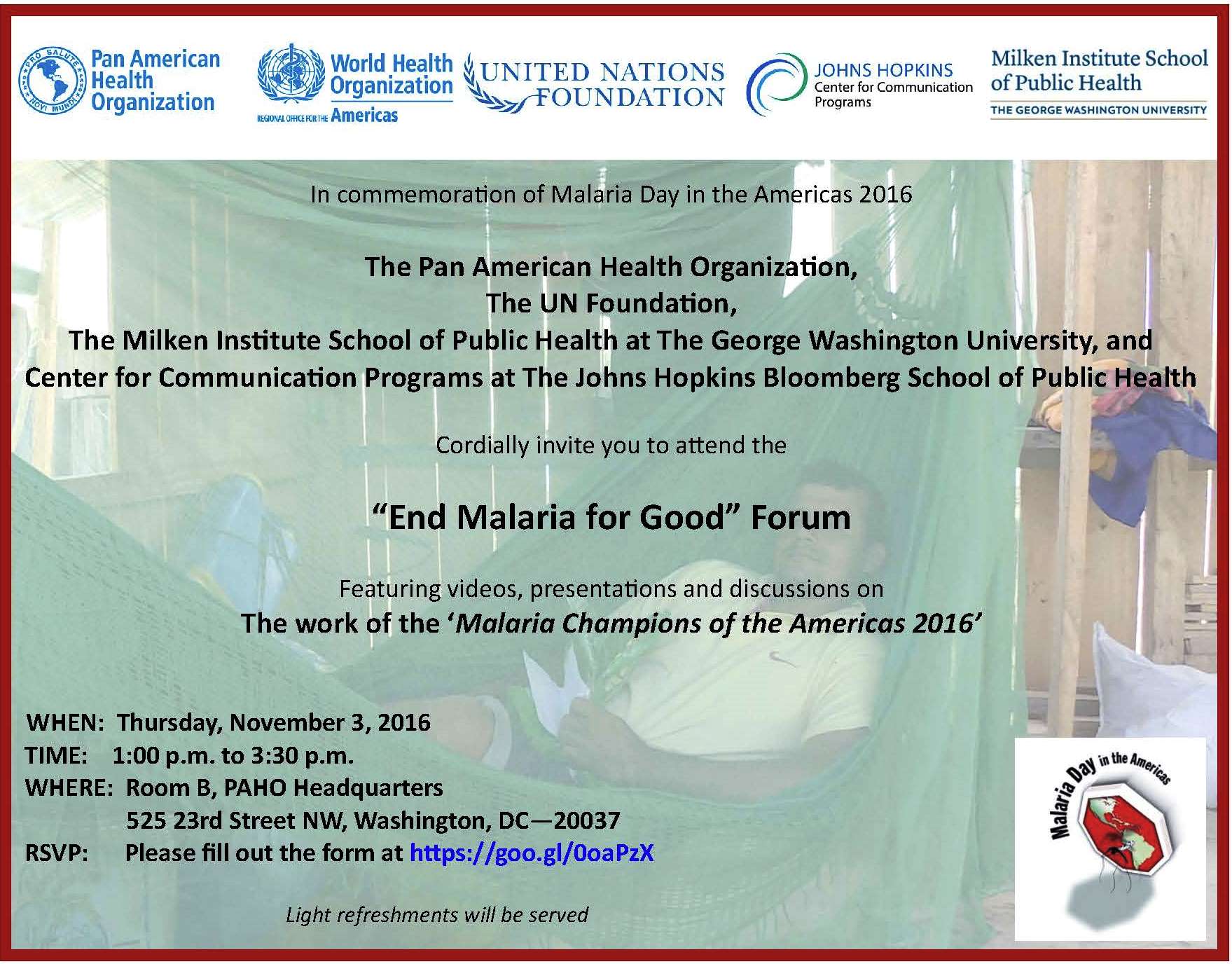
In commemoration of Malaria Day in the Americas 2016

The Pan American Health Organization, The UN Foundation, The Milken Institute School of Public Health at The George Washington University, and Center for Communication Programs at The Johns Hopkins Bloomberg School of Public Health

Cordially invite you to attend the

“End Malaria for Good” Forum

Featuring videos, presentations and discussions on

The work of the ‘Malaria Champions of the Americas 2016’

malariaevite-2016-americasWHEN: Thursday, November 3, 2016, TIME: 1:00 p.m. to 3:30 p.m.

WHERE: Room B, PAHO Headquarters, 525 23rd Street NW, Washington, DC—20037

RSVP: Please fill out the form at https://goo.gl/0oaPzX

Light refreshments will be served

Integrated Vector Management &ITNs &Ivermectin &NTDs Bill Brieger | 11 Oct 2016

Malaria, Lymphatic Filariasis and Insecticide-treated Nets

?

?

Throughout Africa one of the main vectors that carry Lymphatic Filariasis (LF) is the Anopheles mosquito, which also carries the malaria parasite. The Carter Center has been promoting use of insecticide treated nets (ITNs) for many years as part of its LF control efforts, but others may not have gotten the message.

The global community is targeting LF for elimination in 2020. The primary strategy is mass drug administration annually with ivermectin and albendazole. The plan is that up to seven annual rounds of drug distribution in endemic communities where 90% of population coverage is achieved is necessary to stop LF transmission. The Carter Center explains that distribution of long-lasting insecticidal bed nets (LLINs) protects pregnant women and children who cannot take drug treatment.

The LF strategy often builds on and integrates with onchocerciasis control efforts where these diseases overlap. The community directed treatment with ivermectin (CDTI) model pioneered by the African Program for Onchocerciasis Control  (APOC), wherein communities or villages plan together the distribution process including selecting their own community directed distributors (CDDs). This model has also been used to distribute ITNs.

20160818_100110-1A second component of the LF strategy is morbidity management which focuses on enhanced personal hygiene or cleaning of the parts of the body that experience lymphedema. Another aspect uses surgery to address some of the worst effects, hydrocele.  While this component does not ‘control’ LF, it is a necessary effort to reduce suffering and the negative stigma from the disease.

To judge whether transmission has stopped and elimination has been achieved Transmission Assessment Surveys (TAS) are conducted with rapid diagnostic tests on young children after at least 5 years of MDA in a community.  Specifically WHO recommends an implementation unit must have completed five effective rounds of annual MDA defined as achieving rates of drug coverage exceeding 65% in the total population.

For example the Carter Center in Support of the Nigerian Federal Ministry of Health worked in Plateau and Nasarawa States through community health education, delivery of long lasting insecticide-treated nets (LLINs) and 33 million drug treatments for lymphatic filariasis and river blindness between 2000 and 2011. “In 2012, it was confirmed (through TAS) that lymphatic filariasis transmission had stopped. Post-treatment surveillance is currently underway to assure that the parasite is not reintroduced into the area.”

Another component of the assessment process is yet to be fully realized. That is the testing of mosquitoes for the presence of microfilariae. This indirectly implies an important role in preventing human-vector contact as would be achieved through the use of ITNs as well as indoor residual spray (IRS).

Vector control can benefit more than one disease. Integrated vector management is seen as a key tool to prevent reintroduction of LF in areas where anopheles mosquitoes carry the disease and where ITN campaigns are successful.

Ultimately the key to benefiting from the disease control synergies provided by insecticide-treated nets is an understanding what if any effect nets have on transmission. This poses a challenge in terms of separating it from the effect of MDAs as well as the fact that MDAs are time-limited. As MDAs are still underway in many places it is incumbent on program managers to monitor and evaluate the impact of all activities, treatment and vector control, over the next decade to determine the success of eliminating LF and hopefully malaria, too.

Drug Development &Ivermectin &NTDs Bill Brieger | 09 Oct 2016

Malaria, Onchocerciasis and Ivermectin – Possibility of Eliminating Two Diseases

Many tropical diseases are co-endemic in a given country and environment. Therefore, it only makes sense to learn whether there can be common strategies and synergies in disease control and elimination efforts. Onchocerciasis or River Blindness is carried by the black fly (simulium damnosum) that breeds along the banks of fast flowing rivers and malaria are examples.

Onchocerciasis was eliminated in many settings in the Sahel through the process or aerial spraying of these riverbanks to kill the black fly larvae. Though the insecticide used was often the same as used for malaria larviciding, the habitats differed and no synergies were achieved then.

?

Merck donates ivermectin to achieve control and elimination of onchocerciasis

Through subsequent programs using community directed treatment with ivermectin (Mectizan ®) interventions sponsored by the African Program for Onchocerciasis Control (APOC) it was learned that ivermectin also had beneficial effects on malaria transmission.

Ivermectin had been used in agriculture not only for internal parasites of animals. The agricultural community has long known that ivermectin kills both internal parasites (worms) but is also effective against some external parasites (lice and ticks).

Around 2010 scientists began to consider the anti-mosquito effects ivermectin might have when humans consumed it. It turns out that after a mass distribution in a community of ivermectin for onchocerciasis that mosquitoes feeding on people who had recently swallowed ivermectin would die. This was demonstrated when mosquitoes bit volunteers who took ivermectin of the first few days after consumption died there was no effect in the group not taking the drug.

buea3

Ivermectin distribution sessions in a Cameroonian village

Of particular interest was the fact that people who had consumed ivermectin would contribute to mosquito mortality even when they were outdoors. While the effect was not long lasting, the onchocerciasis control programs in the Americas have shown that it is safe to administer the drug two or four times a year.

Research that looks at the malaria parasite concluded that, “it is likely that ivermectin treatment is arresting parasite growth.” The researchers note that, “given the prior use of ivermectin and its safety record in humans and animals, it can be considered in combination therapy with other antimalarials.” The issue of dosage would need to be tested further.  Ivermectin at sub-lethal concentrations even inhibits the sporogony of P. falciparum in An. Gambiae.

Because of the need to find new and complementary tools to eliminate malaria the Malaria Policy Advisory Committee (MPAC) of the World Health Organization’s Global Malaria Program considered at its recent meeting the role of endectocides including ivermectin in the future of malaria control and elimination and the importance of further research.

The future of malaria elimination requires finding new tools to integrate with and the strengthening of existing tools. If these efforts also benefit the control and elimination of other diseases, the public’s health will benefit.

Dengue &Mosquitoes Bill Brieger | 24 Aug 2016

Decreasing Household Costs of Dengue Prevention at Low-Altitudes in Colombia …

… Redirecting Resources into the Hands of People Who Slap Mosquitoes Everyday.

Class members from the course “Social and Behavioral Foundations of Primary Health Care” at the Johns Hopkins Bloomberg School of Public Health write a policy advocacy blog as part of their assignments. Here we are sharing the blog posted by . read more on this and other SBFPHC blog posts by clicking here

Squito(Photo by James Gathany)

Colombia bears high burdens associated with dengue.  During the 2010 epidemic, disability-adjusted-life-years lost were 1178.93 (per 1 million inhabitants) versus just 88.38 averaged for 2011-2012.  Rodriguez et. al (2016) estimated economic burdens higher than $129.9 million USD each year, with most of the burden at the individual household level (46%, 62%, and 64%) for preventing/controlling mosquitos.

The Colombian Ministry of Health and Social Protection uses the 1,800m elevation mark when allocating money to low-altitude departments for dengue-related expenditures.  This suggests that only half of Colombia’s 47 million residents are at risk for dengue.  However, many people vacation at low altitudes where they risk becoming infected and bringing dengue back home.  If low-altitude residents were better equipped to control mosquitos, then both residents and visitors would be better protected.  Unfortunately, low-altitude residents shoulder a greater financial burden for mosquito prevention than the government.  Rodriquez et al. (2016) reported that almost $85 million USD was the highest household burden (for prevention alone) between 2010 and 2012, while the highest government burden was only $35 million USD (for prevention, awareness campaigns, and control combined).

If the Ministry of Health and Social Protection’s vision of equity-based protection and healthcare resources for all is to come to fruition, more money must flow into prevention and control.  Residents should not have to buy expensive sprays when they already live in poverty.  If Ministry-controlled finances were earmarked for inexpensive yet effective household supplies, such as curtains and water container covers, then less money would be required for treatment.  I advocate for reshuffling some of the dengue-related funds to reflect the prevention priority; increase amounts for household prevention and decrease treatment allocations.

Let’s not make low-altitude residents choose between buying expensive sprays or food to eat.  It’s hard enough already just to slap together supper.

Mosquitoes &NTDs Bill Brieger | 20 Aug 2016

Mosquito-Borne and Tick-Borne Illness in Florida: Importance of Surveillance

Class members from the course “Social and Behavioral Foundations of Primary Health Care” at the Johns Hopkins Bloomberg School of Public Health write a policy advocacy blog as part of their assignments. Here we are sharing the blog posted by “jleblan5jhmiedu“. read more on this and other SBFPHC blog posts by clicking here. This posting is particularly relevant today on World Mosquito Day.

Vector-borne diseases make up some of the more common infections throughout the globe. The Centers for Disease Control and Prevention acknowledges mosquito-borne denque mosqdiseases, such as West Nile Virus, and tick-borne infections, such as Lyme disease, have a great impact on the United States. These vectors have found favor in climate change as they continuing to breed and pose a public health risk; carrying infectious agents that may be transmitted to humans through a bloodmeal.

In 2014, the State of Florida Department of Health published their mosquito borne diseases surveillance guidebook. Within these guidelines, specific mosquito-borne infections were addressed in regards to both detecting and preventing such diseases. Unfortunately, since this publication, the Zika virus outbreak developed and was found to have recently reached Miami-Dade county in Florida, where locally transmitted cases were confirmed. Given these locally acquired infections in Florida, the surveillance guidelines should be updated accordingly.

FL Zika

Number of Florida Acquired Zika Virus (gray line: per million)

While the Northeastern regions of the US are known to have their “tick season” in the Spring and Summer, Florida’s climate allows for a year-long risk of contracting a tick-borne diease. The standard lab diauos in newsgnostic criteria for Lyme disease, the ELISA, detects antibodies against the bacterium, Borelia burgdorferi sensu stricto. However, it has continued to demonstrate poor sensitivity and overall reliability. Research from the University of North Florida has identified different strains of Borrelia that cause disease in humans. Thus, should one be infected with one of the different strains of Borrelia, one’s test is likely to be negative despite having actual disease. In recent years, Florida was found to have a 140% increase in Lyme disease cases since 1993 while reports of other tick-borne diseases have also increased. Hence, Florida researchers and public health professionals must partner together to revise and implement more up-to-date/accurate screening and awareness for vector-borne diseases.

NTDs &Zika Bill Brieger | 20 Aug 2016

Emergency Funding for Zika Virus Response

Class members from the course “Social and Behavioral Foundations of Primary Health Care” at the Johns Hopkins Bloomberg School of Public Health write a policy advocacy blog as part of their assignments. Here we are sharing the blog posted by Hanna B. More of the SBFPHC postings can be read at this link.
zikamapgif_1200

Source: wh.gov/Zika

On February 22nd, the Presidential office requested $1.9billion in emergency funding to support activities related to Zika virus, but these efforts have dangerously stalled in Congress. To date, nearly $600 million has been redirected by the Obama administration to fund Zika related research, front line response efforts, and vaccine development. More than half of this money was redirected from within the U.S. Department of Health and Human Services (DHHS).

burwellhimsshitn_4

Source: Healthcareit

On August 3rd, Sylvia Burwell, DHHS Secretary, informed Congress that due to the delay in approving the emergency funding, the DHHS had been forced to further reallocate up to $81 million from other programs, including the National Institutes of Health. This was extremely important because it could impact the progression of the vaccine studies currently underway, as Secretary Burwell suggested in her letter to Congress. Her letter also outlined the response by the CDC and predicted that they too would be out of Zika funding by the end of the fiscal year (Sept 2016).

Funding approval for Zika virus related activities from the U.S. is more urgent than ever. As of August 17th, the U.S. has confirmed 14 cases of locally acquired Zika virus disease – all from Florida. This was after the U.S. Centers for Disease Control (CDC) announced on August 2nd that an additional $16 million was awarded to 40 states and territories to support Zika related public health activities.

So what can you do? It is time we let our political leaders know that their constituency will not wait any longer. Follow Secretary Burwell’s lead – petition your local congressional representatives (House, Senate) and let them know this is an issue you care about. Or submit pre-formatted online petitions at Project Hope and AmeriCares. And spread the word and call to action amongst your peers.

zuyjbxluizyaxlw-1600x900-nopad

Source: Project Hope


Drug Development &Resistance &Treatment Bill Brieger | 06 Aug 2016

Preventing Malaria Drug Resistance in the African Setting …

and Dealing with it Should Resistance Occur

Professor Joseph Ana, Africa Centre for Clinical Governance Research & Patient Safety in Calabar, Nigeria shares his experiences and concerns in this blog.

Drug resistance is one of the biggest challenges facing health care systems in the world today. Around 25,000 people die each year from resistant viral and bacterial infections in Europe, but no new classes of antibiotics have come on the market for more than 25 years. The figures are difficult to obtain for Africa and other developing countries.

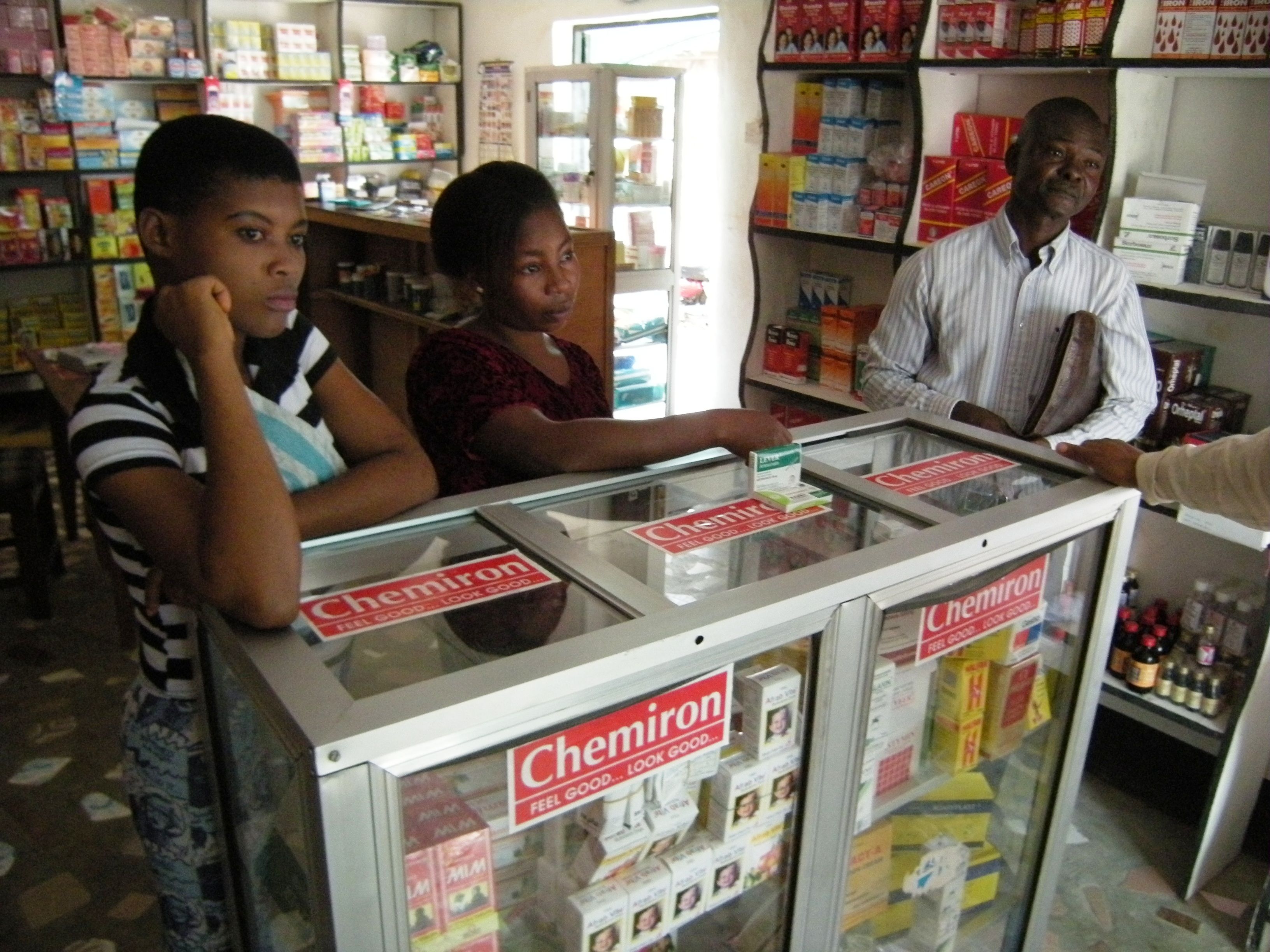
Medicine shops may sell inappropriate malaria medicines, thus contributing to resistance

Medicine shops may sell inappropriate malaria medicines, thus contributing to resistance

Drug resistance is considered important in the failure of control and treatment of diseases its consequences, and it is considered to be one of the causes of emergence of new strains of infective organisms and re-emergence of once-controlled diseases. The occurrence and impact of the phenomenon is worse in Africa and parts of Asia for malaria according to WHO and the US CDC. Viral and bacterial diseases are also affected in this region.

Therefore, there is urgent need for global sustained action to prevent drug resistance from happening, and to control it, if it happens. The causes of Drug resistance are varied including lack of or poor implementation of the control of access to drugs, population migration and movement, misdiagnosis, under-treatment and irrational drug prescription and use.

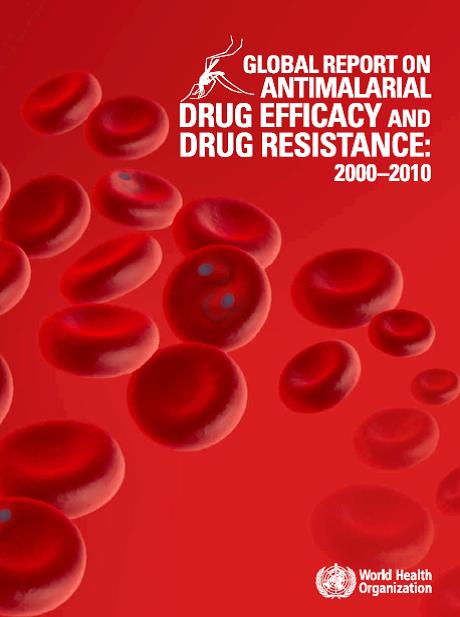
Global Report malaria drug resistanceTo prevent drug resistance, countries need to legislate and implement adequate control of access to drugs, sustain public education on the dangers of drug resistance, educate health workers on and enforce rational drug prescribing and use. Effective monitoring of treatment outcomes is also important to know when drug resistance is occurring. With the global and country by country best efforts drug resistance may still occur because of mutation and adaptation of infective organisms.

For diseases like Malaria for which resistance to the most effective drug today, artemisinin-combination drugs, is being reported from Southeast Asia, the development of new drugs alongside vector control is essential by all countries, particularly in Africa.


Professor Joseph Ana – BM.BCh (UNN), FRCSEd, FRSPH, JtCertRCGP-UK, DFFP (RCOG)-UK, DipUrology-UK, Cert.ClinGov.UK; Lead Consultant Trainer / CEO; joseph ana <jneana@yahoo.co.uk>; Contact: Africa Centre for Clinical Governance Research & Patient Safety; @Health Resources International (HRI WA); Consultants in Clinical Governance & Patient Safety (MDCN Accredited CPD Provider); 8 Amaku Street State Housing  (& 20 Eta Agbor Road UNICAL Road),  Calabar, Nigeria.

Visit Website: www.hriwestafrica.com; email: hriwestafrica@gmail.com    Tel: +2348063600642

« Previous PageNext Page »