Posts or Comments 28 April 2026

Integration &IPTp &Malaria in Pregnancy Bill Brieger | 15 Nov 2016

Joint efforts, a key to success for the Malaria in Pregnancy Program in Luanda, Angola

A poster entitled “Joint efforts, a key to success for the Malaria in Pregnancy Program in Luanda, Angola” was presented by Jhony Juarez, Adolfo Sampaio, William R. Brieger, and Domingos F. Gueve from Jhpiego’s Angola Team at the 65th annual meeting of the American Society of Tropical Medicine and Hygiene in Atlanta. The abstract follows …
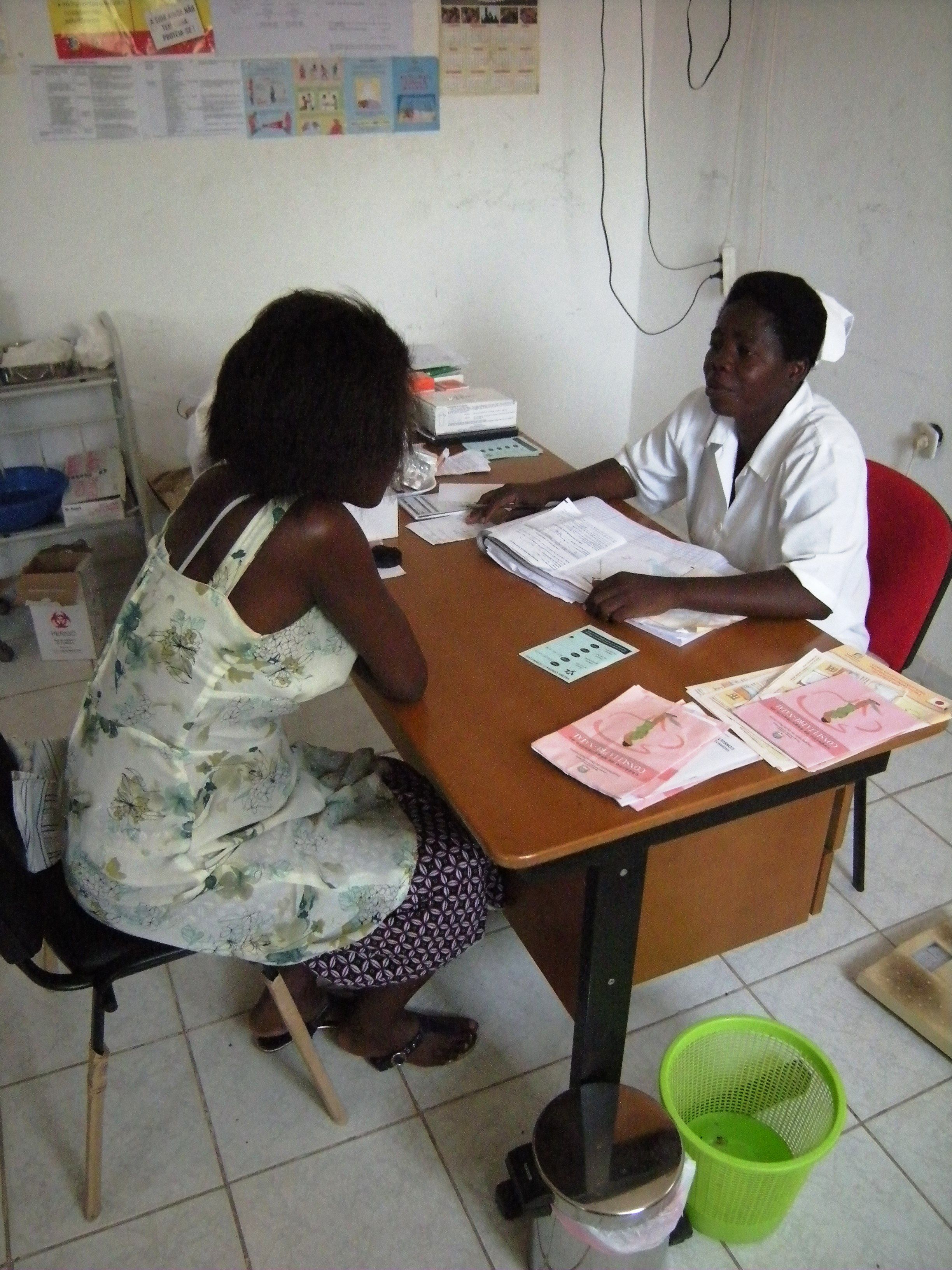
sbmr-visit-baia-farta-dscn0523Angola, in response to WHO’s 2012 updated guidance on Intermittent Preventive Treatment in pregnancy (IPTp), revised its national malaria protocol to better address the fact that 25% of maternal mortality is caused by the disease. The new protocol was a collaborative effort of a national technical working group assisting the National Malaria Control Program (NMCP) including the National Reproductive Health Program, the national AIDS Institute, WHO, UNICEF, UNFPA and implementing partners of the U.S. Presidents Malaria Initiative (PMI).

The updated Prevention and Treatment Manual for Malaria in Pregnancy, based on the revised protocol, was approved in 2014, and efforts continued with reviewing and updating training modules, job aids and monitoring tools that would reflect the additional doses of IPTp. The Ministry of Health, with support from partners, then disseminated these materials in the provinces and municipalities where they worked. USAID’s ForçaSaúde program, with support from PMI, worked with the Provincial Health Directorate of Luanda to build capacity of 297 health professionals to implement the new guidance in 78 health facilities of four municipalities, Belas, Cazenga, Cacuaco and Viana, with a combined population of 4.3 million.

ipt-1234Comparing the IPTp data from the four municipalities between 2014 and 2015, one can see that the new guidance has started to take effect. In both years approximately 70,000 pregnant women received the first dose or around 60% of women registering for antenatal care (ANC). For the new third dose there was an increase of 85% (from 12,490 women to 23,046), and receipt of the fourth dose rose by 164% (3,345 to 8,839).

Two major challenges remain: increasing ANC registration and addressing missed opportunities to provide ANC doses for those who do attend including ensuring regular supplies of sulfadoxine-pyrimethamine for IPTp. Future progress requires continued inter-departmental collaboration among NMCP, Reproductive Health and the AIDs Institute, on-the-job training, enhanced statistical capacity, and supervision.
Community &IPTp &Malaria in Pregnancy Bill Brieger | 15 Nov 2016

Accelerating IPTp uptake through updated WHO IPTp guidance in Malawi

A poster entitled “Building Capacity to accelerate IPTp uptake through the adoption of 2012 WHO IPTp guidance in Malawi” was presented by John Munthali, Lolade Oseni, Dan Wendo, Kabango Malewezi, and Tambudzai Rashidi from Jhpiego’s Malawi Team at the

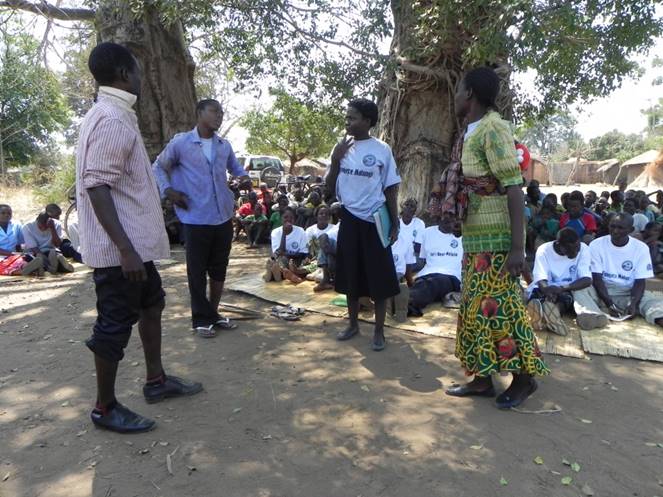
Community activities encourage IPTp uptake in Malawi

Community activities encourage IPTp uptake in Malawi

65th annual meeting of the American Society of Tropical Medicine and Hygiene in Atlanta. The abstract follows …

Malawi adopted the World Health Organization’s updated guidance on intermittent preventive treatment in pregnancy (IPTp) in 2013. Support from the US President’s Malaria Initiative through USAID funded health projects, enabled collaboration between the National Malaria Control Program (NMCP) and the Reproductive Health Directorate (RHD) of the Ministry of Health, to build capacity from national to district to frontline health facility levels to implement the updated IPTp policy.

iptpaccessThese partners updated IPTp policy in the National Malaria Treatment Guidelines, and developed appropriate training manuals. All 5708 health workers from the 304 facilities in the 15 project districts were trained on the IPTp policy and guidelines. Post-training test scores of health staff increased over pre-test by an average of 40 percentage points.

The community action cycle approach engages community volunteers and local community based organizations to identify and solve local problems and was used to encourage pregnant women to attend antenatal care (ANC) and receive IPTp and long lasting insecticide-treated nets.

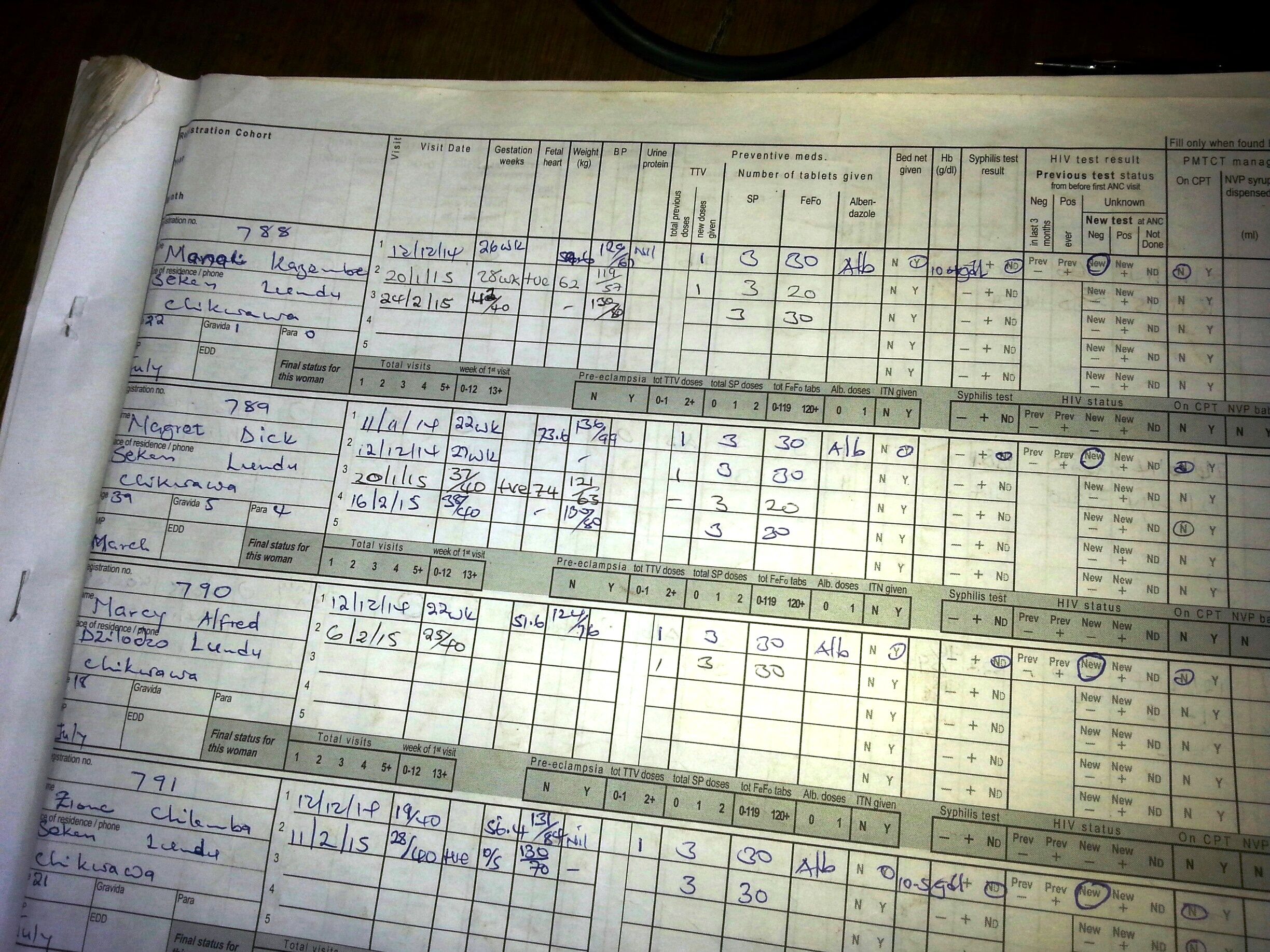
Sample page from ANC register showing delivery of IPTp3 and 4, but these data are not yet recorded on summary HMIS forms

Sample page from ANC register showing delivery of IPTp3 and 4, but these data are not yet recorded on summary HMIS forms

Health information system data from the 15 Districts were used to compare ANC and IPTp coverage for 2012 and 2015 fiscal years (Oct.-Sept.). ANC registration in the project area rose from 113,683 to 394,116. IPTp1 as a proportion of ANC registration rose from 52% to 87%, and IPTp2 increased from 17% to 62%. While IPTp3 doses were recorded in the ANC registers, reporting forms in 2015 still did not include space to enter this IPTp3.

Observations at clinics showed IPTp3 and 4 were provided. Malawi’s experience shows that collaboration between NMCP and RHD as well as between clinics and communities not only disseminated knowledge of the new policy, but resulted in increased uptake of services and protection of pregnant women from malaria.

Diagnosis &Surveillance Bill Brieger | 14 Nov 2016

Towards Malaria Pre-Elimination in Rwanda: Active Case Investigation in a Low Endemic District

A poster entitled “Towards Malaria Pre-Elimination in Rwanda: Active Case Investigation in a Low Endemic District” was presented by members of Jhpiego’s Rwanda Team and colleagues:

Noella Umulisa, Angelique Mugirente, Veneranda Umubyeyi, Beata Mukarugwiro, Stephen Mutwiwa, Jean Pierre Habimana, and Corrine Karema, at the 65th annual meeting of the American Society of Tropical Medicine and Hygiene in Atlanta. The abstract follows …

case-detectionRwanda has seen an increase in malaria cases recently with an increase from 514,173 cases in 2012 to 1,957,402 cases in 2015. This change can be attributed to an increase in temperature, rainfall, and resistance to insecticides.

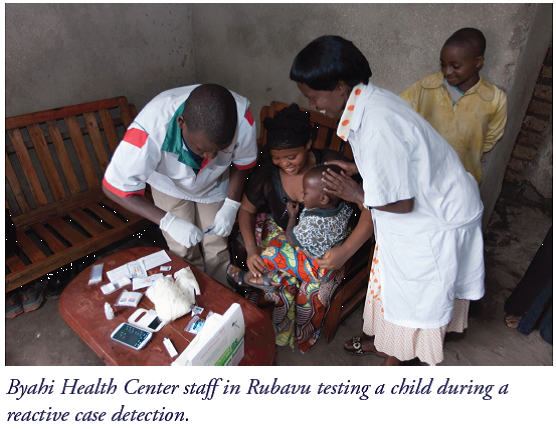
Despite this setback, Rwanda is aiming to reach the pre-elimination phase by 2018. In January 2015, 11 health facilities in Rubavu, a low endemic district, started implementing reactive active case detection after training 55 health care providers and 11 lab technicians on the topic. This strategy involves screening and treating individuals living in close proximity to passively detected cases, also known as index cases. Index cases can be used to identify population groups that are sources of infection.

cases-confirmed-investigatedFrom January 2015 to December 2015, 16,434 cases of Malaria were detected and treated at 11 health facilities in Rubavu District. Among these cases, 2,917(17.8%) index cases were investigated and 4,943 individuals (between 1 and 2 contacts for each index case) living in proximity of index cases were tested using rapid diagnostic tests by health care providers. Of these, 508 (10.3%) tested positive for malaria and were treated according to national guidelines.

These data shows that the number of investigated cases is still lower than the national guidelines of screening 5 individuals residing between 100 to 500 meters of every confirmed case. This low rate could be due to the increase of malaria cases in Rwanda which has placed a burden on health care providers and health facilities in areas like Rubavu which used to be low endemic malaria areas. Additionally, data gathered through supervision activities has indicated a need for additional training on screening investigations in order to adhere to national guidelines and conduct the investigations more efficiently.

Active case investigation could be improved by training and involving more health care providers such as community health workers who could reduce the burden on health center staff. The additional support for case investigation activities and improved training can help to achieve higher coverage of individuals located near index cases.

CHW &Diagnosis &iCCM &Treatment Bill Brieger | 14 Nov 2016

A Pilot to Use Malaria RDTs at the Community Level in Burkina Faso

A poster entitled “The Improving Malaria Care (IMC) Project’s Contribution to follow up a Pilot to Use Rapid Diagnostic Tests (RDTs) at the Community Level in Burkina Faso” was presented by members of Jhpiego’s Burkina Faso Team: Ousmane Badolo, Stanislas P. Nebie, Moumouni Bonkoungou, Mathurin Dodo, Rachel Waxman, Danielle Burke, William Brieger at the 65th annual meeting of the American Society of Tropical Medicine and Hygiene in Atlanta. The abstract follows …

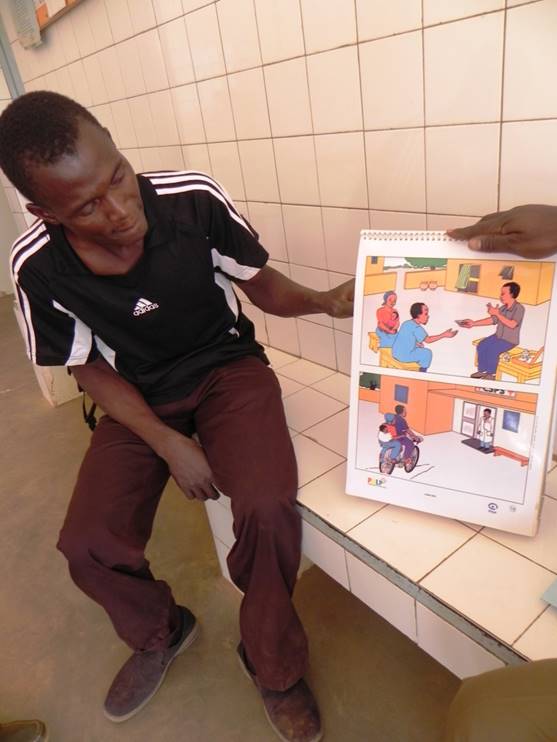
CHWs provide malaria testing, treatment and health education

CHWs provide malaria testing, treatment and health education

Early and correct case management of malaria in health facilities and at the community level is among the priorities of Burkina Faso’s National Malaria Control Program (NMCP). In line with this initiative, the NMCP piloted use of Rapid Diagnostic Tests (RDTs) by Community Health Workers (CHWs) to confirm malaria cases in the three health districts of Kaya, Saponé and Nouna between 2013 and 2015. With PMI support, follow-up visits were organized to document best practices, as well as challenges, on RDT use by CHWs that could serve as lessons learned for scale-up.

During follow-up visits, malaria commodities management (supply, storage and use) at the community level was examined, use of RDTs was assessed, and implementation at the community stockoutlevel was discussed with all actors at regional, district, health facilities, and community levels. The team examined the monitoring/supervision processes at all levels, used a check list on malaria commodities management, and employed a questionnaire for each type of actor. Both qualitative and quantitative data have been collected. A total of 108 persons were contacted including 32 CHWs, 42 community leaders and 34 health care providers and managers.

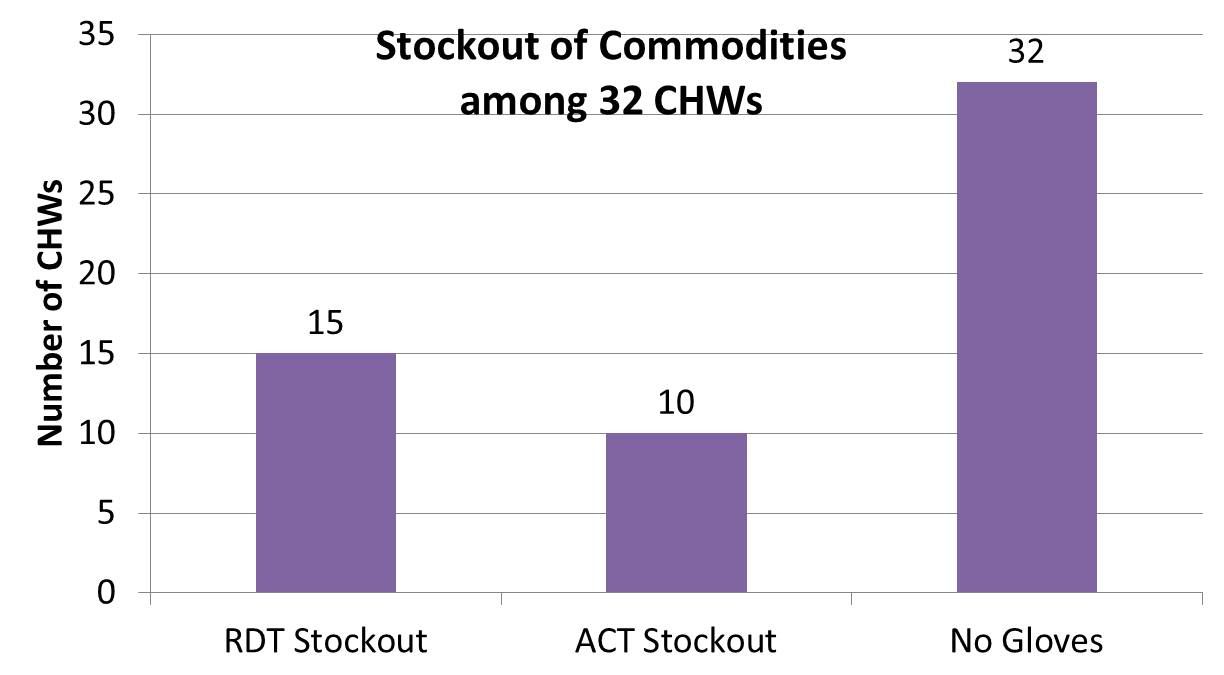
chw-drug-kitFindings revealed frequent stock-outs of RDTs and artemisinin-based combination therapies, non-payment of stipends to CHWs (a demotivator) and insufficient supervision of CHW by health teams. From the community perspective, 66% of community leaders were satisfied with their CHW’s work (diagnosis and treatment of uncomplicated malaria concernsand referral of severe cases to health facilities). However, 46% of community leaders complained of frequent stock-outs and unanimously agreed on the importance of regular payment of premiums to CHW.

Follow up of the pilot was valuable in obtaining community, CHW and health worker perspectives for improving the program. While the community finds the program acceptable, its sustainability will require that solutions be found for stock-outs, non-payment, and insufficient supervision before scale up takes place.

Burden &Epidemiology Bill Brieger | 14 Nov 2016

The Challenge of Reducing Malaria in Angola – High Transmission Provinces

Below is an abstract of a poster presentation today at the American Society of tropical Medicine 65th Annual meeting in Atlanta. The presentation was prepared by Jhpiego’s Angola team including Jhony Juarez, Margarita Gurdian-Sandoval, Julio Bonillo, and William R. Brieger. Please join us at the Late-breaker’s session at noon.

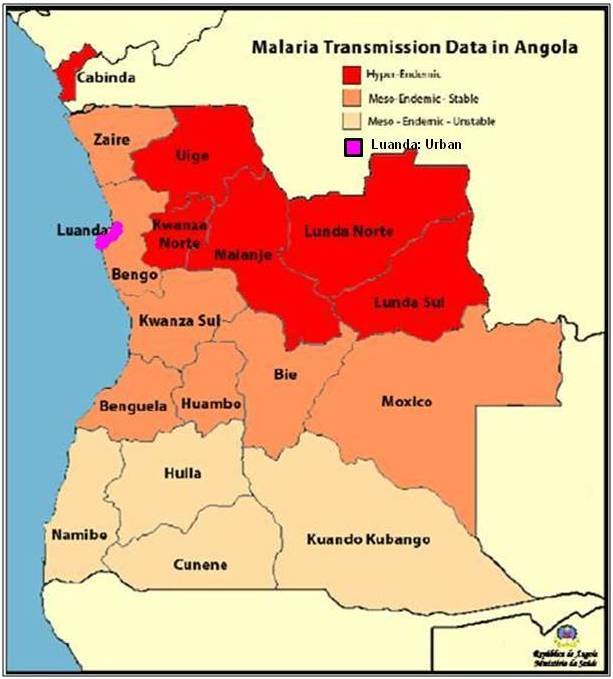
CONTEXTmap

  • Angola has three major belts of malaria transmission
  • The north is high transmission and borders on the heavy burden country of the Democratic Republic of the Congo
  • The mid-section of the country is meso-endemic
  • The south is considered low endemic
  • This low endemic area brings Angola into the Southern African Elimination 8 countries.

METHODS: Field visits were made to six northern high burden provinces. Health information system (HIS) data were collected from each provincial health department. Supplementary HIS information was collected from the national malaria control program

northFINDINGS: Data from the six high burden provinces reveal an overall upward trend in confirmed malaria. Cases from 2011, but with a jump of over 130,000 confirmed cases from 2014 to 2015. This occurred despite support from government and major malaria partners over the past decade. Overall cases in the country have risen from 2.73m in 2011 to 3.25m in 2015

NATIONAL MALARIA EFFORTS

  • Between 2012 and 2015 2 million Long Lasting insecticide treated nets were distributed to a population of approximately 5 million in the 6 provinces
  • This exceeded the desired 2 people per net ratio
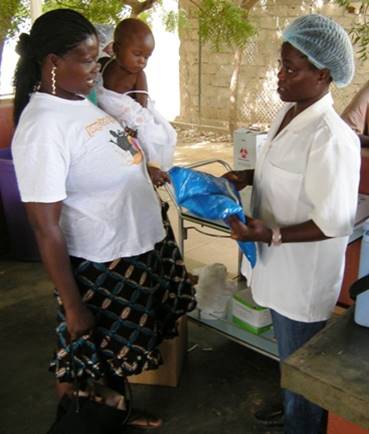
  • netsIntermittent preventive treatment in pregnancy reached only 59% of women registering for antenatal care in 2015
  • Only 44% and 18% of women received the second and third IPTp doses respectively.

CHALLENGES

  • A dual challenge makes performance of malaria indicators difficult
  • The Global Fund grant had expired for more than a year
  • The oil-based economy also suffered from the major global drop in prices

THE WAY FORWARD

  • Angola requires concerted efforts by government and partners to scale up malaria control interventions
  • Universal coverage targets must be sustained if these high burden northern provinces are to begin seeing a decline in the disease

Emergency &Zika Bill Brieger | 14 Nov 2016

PAHO Head Reflects on Zika, Obscurity to Crisis, during 65th ASTMH Keynote

The Following blog from the 65th American Society of Tropical Medicine and Hygiene Annual Meeting opening keynote address has been re-posted here.

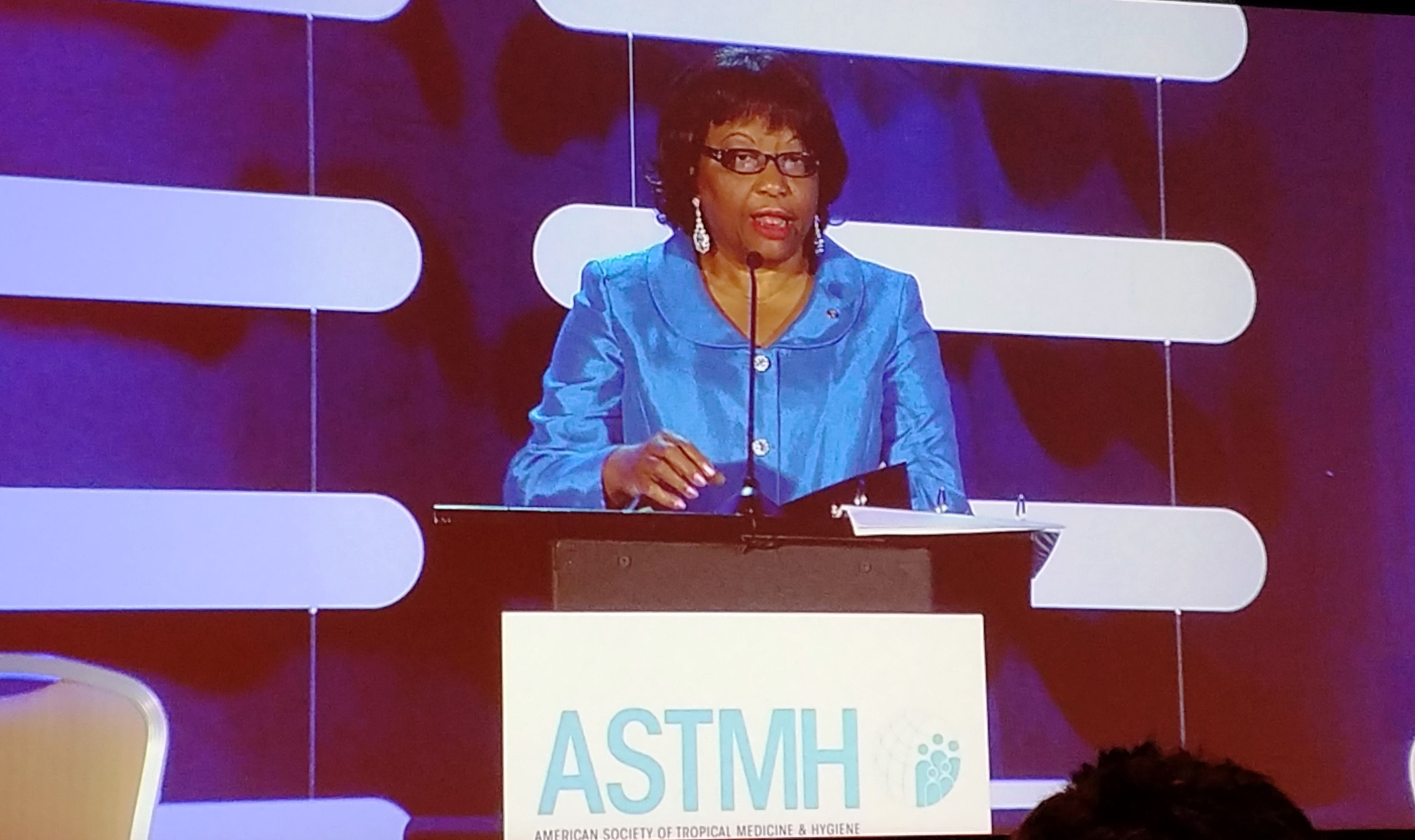
20161113_174950From moving quickly to train heads of state in risk communications, to making major decisions based on limited evidence, to sitting with Zika victims whose children had just been diagnosed with microcephaly, the head of the Pan American Health Organization (PAHO) offered a detailed assessment Sunday night of her experience with the sudden explosion of the Zika virus in the Americas.

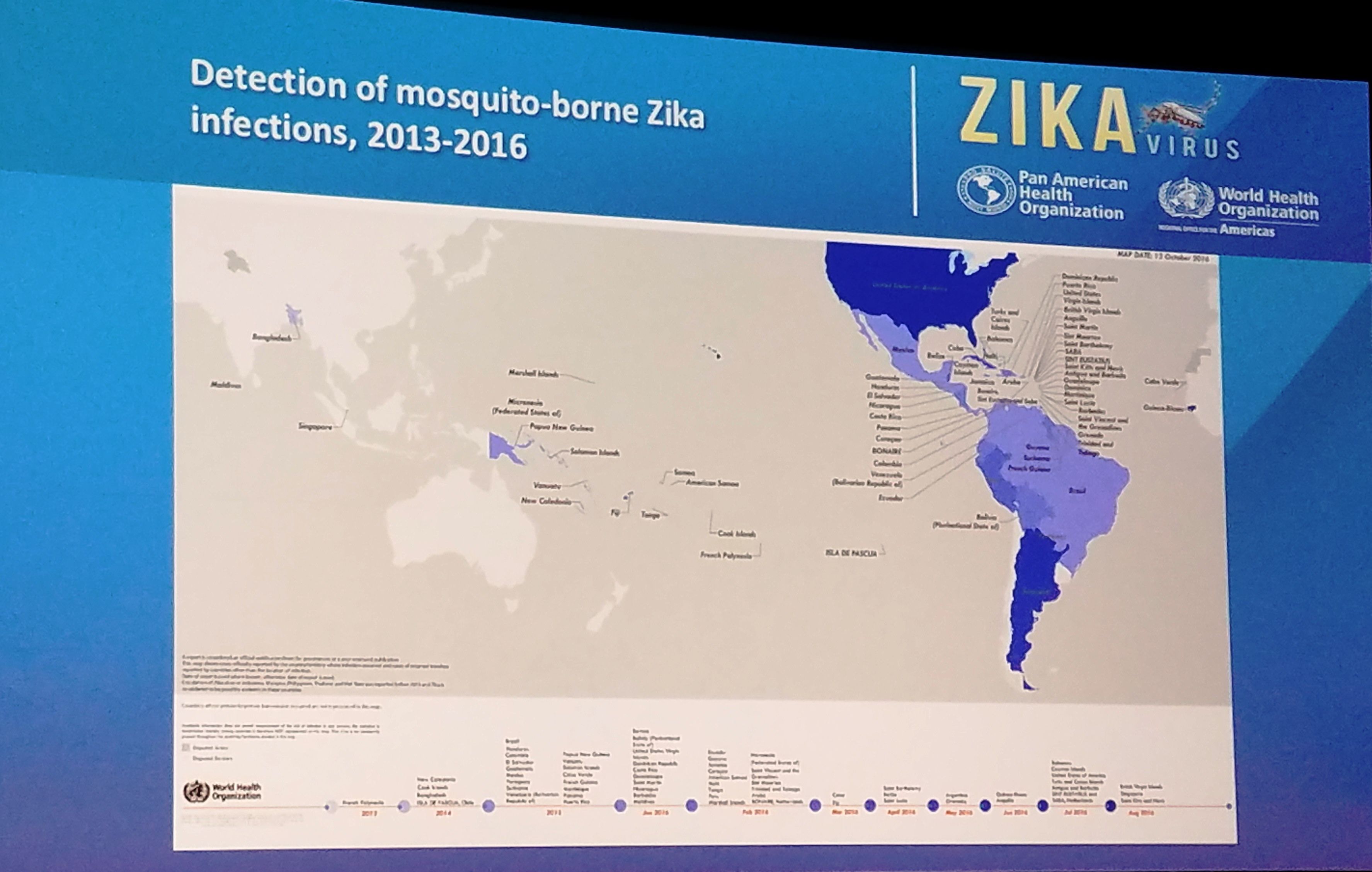
In her keynote address to a packed hall at opening of ASTMH 2016 Annual Meeting, PAHO Director Dr. Carissa F. Etienne, MBBS, MSc, described the extraordinary experience and lessons learned from encounters with a once-obscure disease that now has been documented in 48 countries and territories in the Americas—and 67 globally.

20161113_180235Dr. Etienne credited “vigilant, astute, front-line health care workers” with first noting the unusual clusters of rash disease in Brazil in late 2014 that turned out to be an early indication that Zika virus had arrived. She noted it was also front-line health workers who first noted the spike in cases of microcephaly and Guillain-Barré Syndrome and connected them to the Zika virus.

Dr. Etienne said their “astute” observations have re-enforced her conviction that, when it comes to protecting the public from infectious disease, there is no substitute for “good clinical judgment and alertness for atypical events.”

Dr. Etienne recalled how quickly the situation escalated and the challenges this presented on a day-to-day basis. For example, heads of state wanted to take charge of discussing the emergency in radio and television appearances. So PAHO moved quickly to provide technical information along with training in risk communications.

There was also the fact that Zika was first discovered while many countries in the Americas were in the middle of preparing for potential Ebola infections and responding to outbreaks of chikungunya. Yet despite this confusing swirl of activity, she said health officials had to move 20161113_180647swiftly to declare Zika an emergency, even though they lacked a complete picture of the true extent of the threat.

“Determination of causality needs to run its course, but PAHO cannot wait until the final verdict of the scientific community,” Dr. Etienne said. “We must be willing to make decisions based on incomplete evidence.”

Dr. Etienne said her experience with the Zika response has reminded her of the many ways infectious diseases take their toll on people, communities and countries. She said Zika has been particularly hard on countries in the Americas that already were suffering economically. And she said it was profoundly moving to spend time with parents whose children have been diagnosed with microcephaly linked to Zika.

“It was quite emotional,” she said. “Here are mothers and fathers loving their child and caring for their child but recognizing that this child’s life will probably be marked by disability.”

Dr. Etienne said that given limitations with diagnostic tests and disease surveillance, the current case count probably underestimates the true magnitude of Zika infections in the Americas. She also believes that “microcephaly is merely the tip of the iceberg” and it will take years to assess the full impact of Zika on children whose mothers were infected with Zika during pregnancy.

Among other things, Dr. Etienne said the experience with the Zika outbreak should prompt a re-thinking “of our approach to reproductive health services.”

“There is still a long way to go with Zika,” she said. “This is not going to be a 100 meter dash. This is a marathon in which science and public health must work hand in hand.”

Health Information &IPTp &Malaria in Pregnancy Bill Brieger | 13 Nov 2016

Collaborative efforts to improve prevention of malaria in pregnancy in Burkina Faso through use of IPTp-SP

Mathurin Dodo, Stanislas Paul Nebie, Ousmane Badolo, Thierry Ouedraogo, Rachel Waxman, Danielle Burke, William R. Brieger, and Elaine Roman of Jhpiego’s USAID sponsored Improving Malaria Care project based in Ouagadougou, Burkina Faso will be presenting a poster on improving intermittent treatment of malaria in pregnancy at the 65th annual meeting of the American Society of Tropical Medicine and Hygiene on Monday 14th November in Atlanta. Their Abstract follows:

Ensuring the inclusion of IPTp3 doses and higher in the national health information system enabled documentation of improved coverage

Ensuring the inclusion of IPTp3 doses and higher in the national health information system enabled documentation of improved coverage

Malaria remains the first cause of consultation (47%), hospitalization (62%) and death (31%) in health facilities in Burkina Faso (2014 Statistical Yearbook). Pregnant women are among the most vulnerable to malaria. Intermittent preventive treatment in pregnancy (IPTp) is a priority intervention in the Burkina Faso 2011-2015 National Malaria Strategic Plan. In 2012, IPTp2 was low across the country at 53%.

The President’s Malaria Initiative (PMI) supported the National Malaria Control Program (NMCP) in implementing the national malaria control strategic plans. IPTp was promoted through 3 strategies: advocacy and policy updates, capacity building, and behavior change communication. Malaria prevention and management guidelines and job aids updated stressed IPTp in line with WHO recommendations.

iptp-for-blog185 trainers were trained who in turn organized one-day briefings for over 1,300 healthcare providers from 1081 health facilities (61.3% of health facilities nationally) on the revised guidelines, which were distributed along with job aids. Health information system tools now reflect new IPTp guidance, and 190 district and regional level data managers were trained in their use.

208 community health workers were trained in sensitization and community mobilization around early ANC attendance. Over 3000 radio and TV spots were aired on 28 stations on the importance of IPTp.

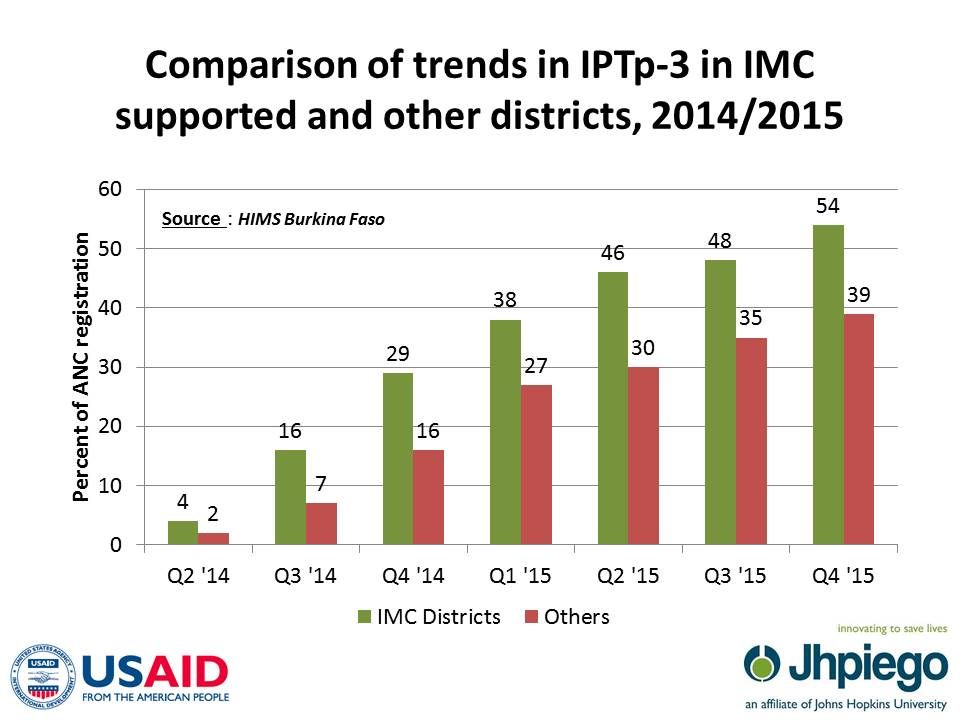
iptpIn 21 project districts in 2013, IPTp2 and IPTp3 coverage rates based on ANC registration were 54% and 0%. Following the interventions, rates in these districts increased to 72% (IPTp2) and 23% (IPTp3) in 2014 compared to 63% and 8% in the other 42 districts.

These efforts have resulted in improvements in IPTp service delivery and reporting. Based on successes, training and guideline dissemination continued in 2015 across the country so that all health facilities received copies of the new guidelines and 82% of districts received training.

IPTp &Malaria in Pregnancy &Procurement Supply Management Bill Brieger | 11 Nov 2016

Kenya: Tackling stock-outs of medicines for intermittent preventive treatment of malaria in pregnancy

Augustine Ngindu of Jhpiego/MCSP Kenya shared with the Jhpiego Malaria Team at their pre-ASTMH 2016 Annual Meeting retreat the experience in Kenya of drug stock-outs and efforts to combat this.

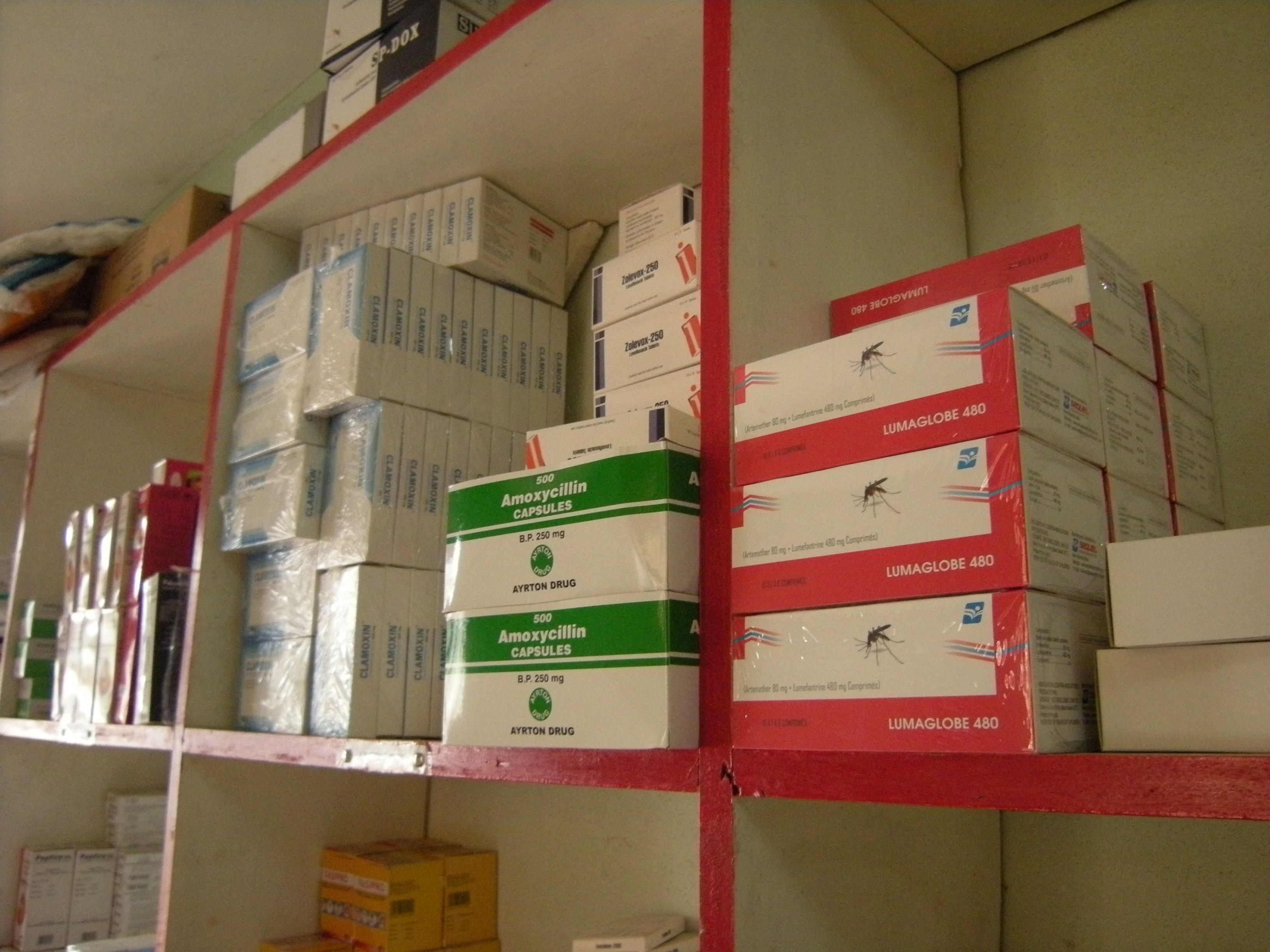
dscn0339Kenya has experienced periods of Sulfadoxine-Pyrimethamine (SP) stock-outs thus threatening the coverage of intermittent preventive treatment to prevent malaria in pregnant women (IPTp). The situation has stabilized from March 2016 through efforts by Jhpiego and the USAID Maternal and Child Survival Program (MCSP) in collaboration with Kenyan health authorities and partners at national, county and facility levels.

Jhpiego’s key interventions focused at several levels. At the national level technical assistance was provided to relevant Ministry of Health (MOH) departments (e.g. malaria, reproductive health and community strategy). In particular the situation on the ground has been used for advocacy with decision makers and managers on prioritizing procurement of SP.

At the County level Jhpiego is building capacity of counties in provision of MIP services by developing clinical mentors. Again advocacy was carried out on prioritizing inclusion of budget itesp-stock-out-affects-iptp-coveragem for SP.

At the health facility level Jhpiego is strengthening the capacity of health facilities to provide MIP services. These activities include training of health care workers and monitoring their performance in terms of maintaining, ordering and redistribution of SP stocks. In addition Jhpiego worked with the MOH to establish malaria in pregnancy (MIP) service standards to enhance the provision of quality services in 336 facilities providing ANC services.

Then at the community level Jhpiego and partners promote MIP service utilization at community level by sensitizing pregnant women to start IPTp early in second trimester. Community health volunteers sensitize pregnant women to start IPTp early in second trimester. Hopefully increased demand will also pressure program managers to supply regular SP stocks.

Concerning the service standards, baseline data collected after immediately training found that 50% of facilities were maintaining SP stocks. A second assessment done during supportive supervision 3 months after training found 86% of facilities now met the standard. As a result of county level advocacy, redistribution of SP was done from over-stocked to under-stocked health facilities.

In conclusion, advocacy is a powerful tool in getting things done as evidenced by responses of County Directors of Health, national government and health development partners on prioritizing procurement of SP. This led to availability of adequate SP stocks to last the country up to 2019.

Diagnosis &Research Bill Brieger | 10 Nov 2016

Urine Rapid Diagnostic Test for Malaria: Results Published

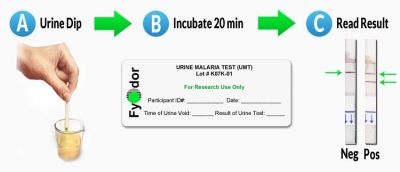
Results of testing the innovative Urine Rapid Diagnostic Test for Malaria developed by Fyodor Biotech have been published in the Journal of Clinical Microbiology. Authors from multiple collaborating institutions include Wellington A. Oyibo, Nnenna Ezeigwe, Godwin Ntadom, Oladipo O. Oladosu, Kaitlin Rainwater, Wendy O’Meara, Evaezi Okpokoro, and William Brieger. The abstract appears below.

fydor_0 Background: The need to expand malaria diagnosis alongside policy requirements for mandatory testing before treatment motivates exploration of non-invasive rapid diagnostic tests (RDTs). We report the outcome of the first cross-sectional, single-blind clinical performance evaluation of a Urine Malaria Test (UMT) for Plasmodium falciparum (Pf) malaria diagnosis in febrile patients.

Methods: Matched urine and fingerprick blood from participants ?2 years with fever (axillary temperature ?37.5°C) or history of fever in the preceding 48 hours were tested with UMT and microscopy (as gold standard). BinaxNOW® (Pf/Pan) blood RDT was done to assess relative performance. Urinalysis and Rheumatoid Factor (RF) tests were conducted to evaluate possible interference. Diagnostic performance characteristics were computed at 95% CI.

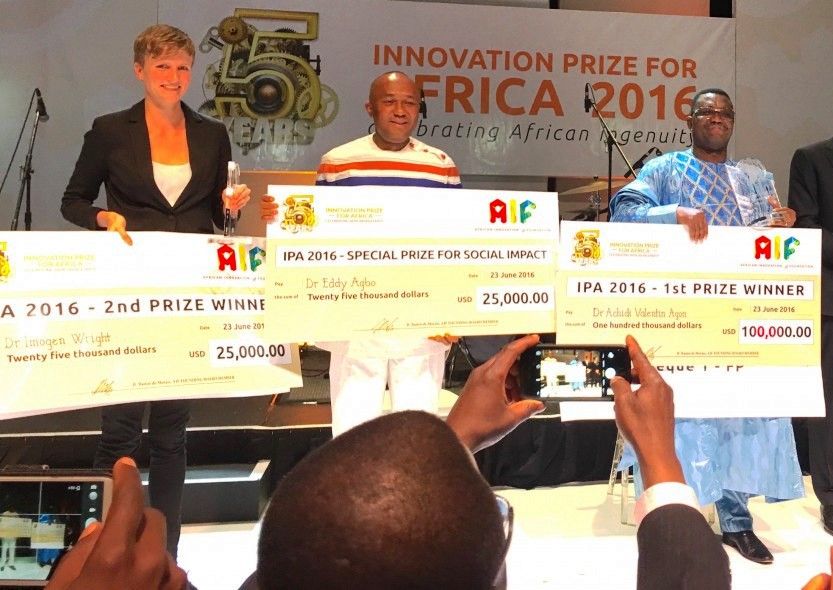
UNT is winner of innovations prize

UMT is winner of innovations prize

Results: Of 1,800 participants screened, 1,691 were enrolled; 566 (34%) were febrile, 1,125 (66%) afebrile; test positivity among enrolled participants: 341 (20%) by microscopy, 419 (25%) UMT, 676 (40%) BinaxNow Pf and 368 (22%) BinaxNow Pan. UMT sensitivity among febrile patients (for whom the test is indicated) was 85% and specificity 84%. Among febrile children ?5 years, UMT sensitivity was 93%, specificity 83%. Area under receiver-operator characteristic curve (AUC) of UMT (0.84) was not significantly different from Binax Pf (0.86) or Binax Pan (0.87), indicating that the tests do not differ in overall performance. Gender, seasons, and RF did not impact UMT performance. Leukocytes, hematuria and urobilinogen concentration in urine were associated with lower UMT specificity.

Conclusion: UMT performance was comparable to BinaxNOW Pf/Pan tests, and is a promising tool to expand malaria testing in public and private healthcare settings where there are challenges to blood-based malaria diagnosis testing.

IPTp &ITNs &Malaria in Pregnancy Bill Brieger | 08 Nov 2016

Malaria Excerpts from WHO’s New Antenatal Care Recommendations

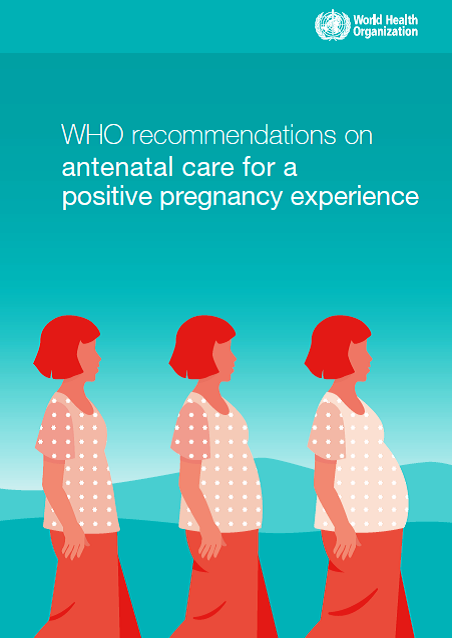
new-who-anc-recommendations-2016Many years ago WHO formulated guidance for encouraging 4 Focused Antenatal Care (FANC) that addressed the reality that 1) ANC attendance schedules were not standardized, 2) service package elements were not clearly laid out, and 3) women found it difficult to attend ANC as many times as some countries recommended. The New York Times reported that WHO now recommends 8 ANC visits in large part because greater action is needed in light of the fact that …

“About 300,000 women die in pregnancy or childbirth each year, the agency said, and more than six million babies die in the womb, during birth or within their first month. Many of those deaths can by prevented through simple interventions.”

The new recommendations number 49 and strongly consider the roles of all health workers from auxiliaries to doctors – stressing task shifting to ensure that women have access to life saving services.  Below are extracted some of the aspects that relate to malaria.

  • In areas with endemic infections that may cause anaemia through blood loss, increased red cell destruction or decreased red cell production, such as malaria and hookworm, measures to prevent, diagnose and treat these infections should be implemented.
  • Malaria prevention: intermittent preventive treatment in pregnancy (IPTp): In malaria-endemic areas in Africa, intermittent preventive treatment with sulfadoxine-pyrimethamine (IPTp-SP) is recommended for all pregnant women. Dosing should start in the second trimester, and doses should be given at least one month apart, with the objective of ensuring that at least three doses are received.

The above recommendation has been, “Integrated from the WHO publication Guidelines for the treatment of malaria (2015), which also states: ‘WHO recommends that, in areas of moderate-to-high malaria transmission of Africa, IPTp-SP be given to all pregnant women at each scheduled ANC visit, starting as early as possible in the second trimester, provided that the doses of SP are given at least 1 month apart. WHO recommends a package of
interventions for preventing malaria during pregnancy, which includes promotion and use of insecticide-treated nets, as well as IPTp-SP’. To ensure that pregnant women in endemic areas start IPTp-SP as early as possible in the second trimester, policy-makers should ensure health system contact with women at 13 weeks of gestation.”

  • anc-attendance-4-countriesTask shifting components of antenatal care delivery: Task shifting the distribution of  recommended nutritional supplements and intermittent preventive treatment in  pregnancy (IPTp) for malaria prevention to a broad range of cadres, including auxiliary
    nurses, nurses, midwives and doctors is recommended.

Readers should download the full set of recommendations for more details on the above. We do offer a challenge. Since the 4-visit FANC processes, that was adopted in part because of the difficulty in getting pregnant women to attend ANC many times, is still not fully achieved (see graph), we must now strengthen community involvement, mobilization and education to double that target to 8 visits. Efforts must focus on women, men, elders and even youth. Health workers also need education and motivation to adopt a client-friendly attitude to make this new schedule work.

« Previous PageNext Page »