Posts or Comments 27 April 2026

Ebola &Infection Prevention Bill Brieger | 30 Oct 2018

Institutionalizing Infection Prevention and Control: Post-Ebola Experience in Liberian Health Facilities

Allyson R. Nelson, Anne Fiedler,Topian Zikeh, Nancy Moses, Chandrakant Ruparelia, Lolade Oseni, Mantue Reeves, and Birhanu Getahun presented the work of the Maternal and Child Survival Project in preventing infection among health workers during Ebola and other infectious disease outbreaks. Their efforts are shared below.
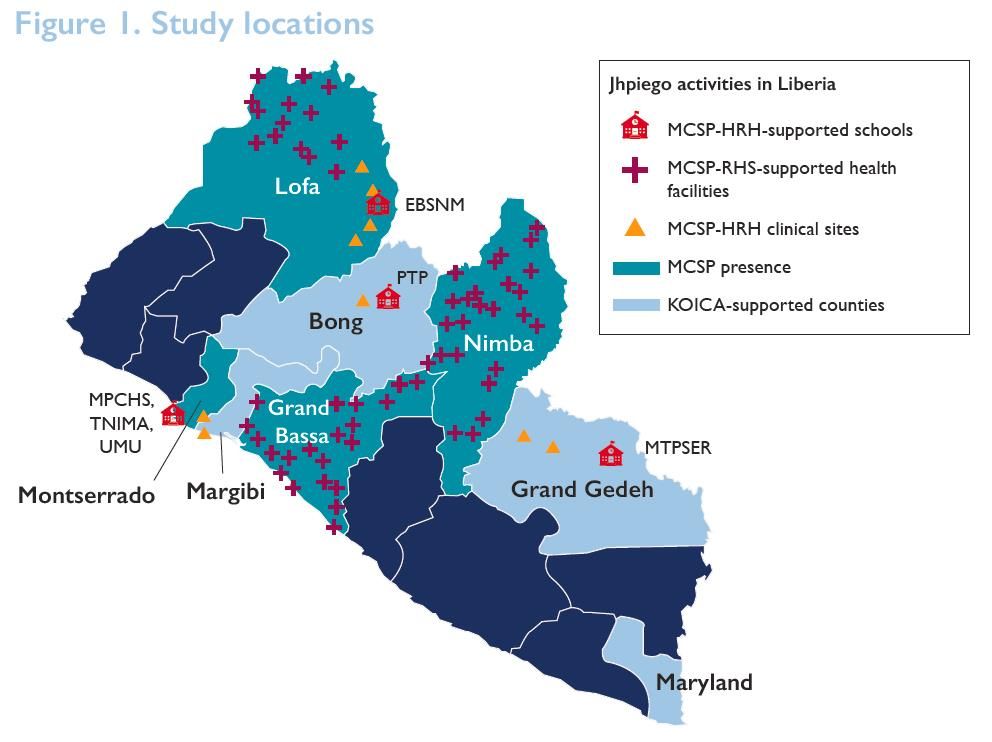
Ebola virus disease (EVD) outbreak in 2014–2015 affected an estimated 4% of the Liberian health workforce. 372 health workers contracted EVD, and 184 died. EVD outbreak and transmission between health care workers and clients highlighted critical gaps in health facilities, especially infection prevention (IPC) practices including waste, water, and triage infrastructure.
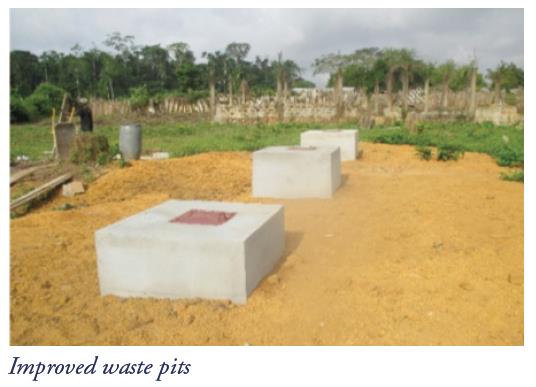
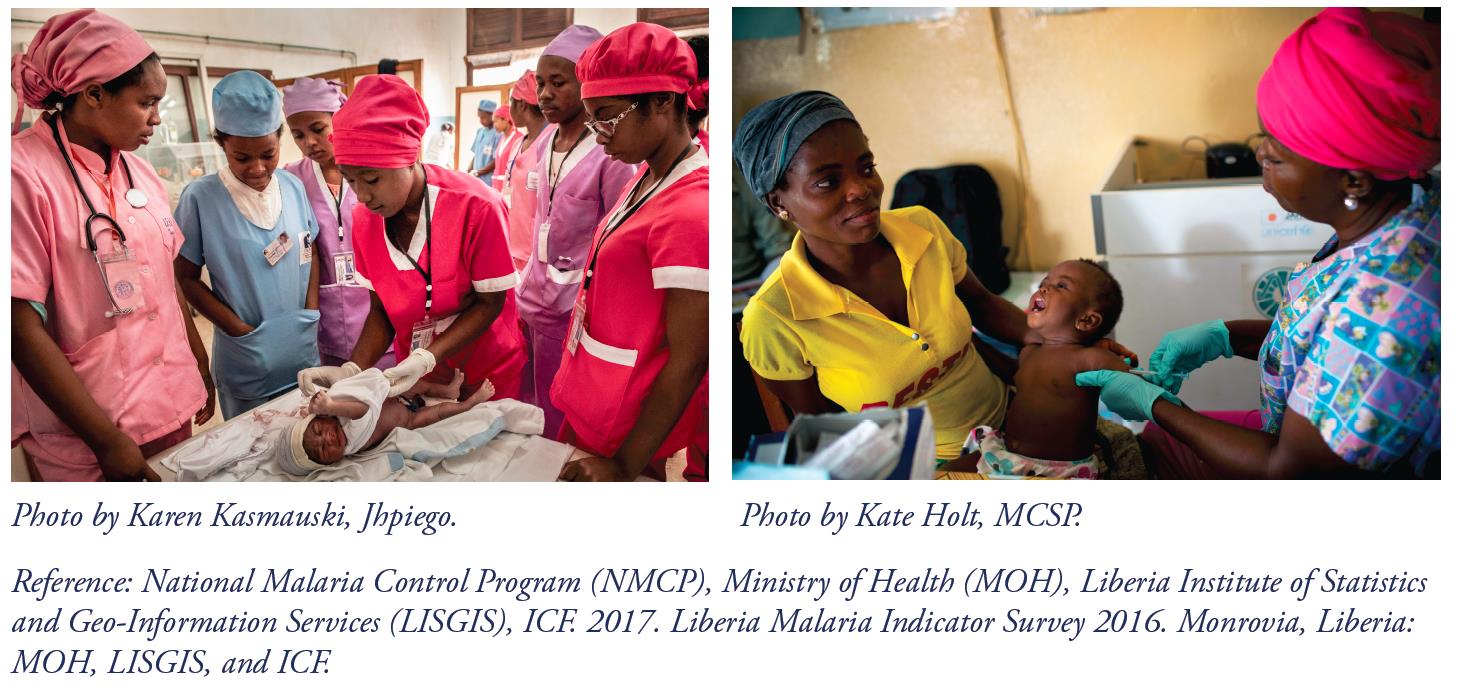
Liberia’s ministry of health (MOH), with support from Jhpiego and other partners, developed and introduced IPC standards in 2015. Through funding from the Office of U.S. Foreign Disaster Assistance (OFDA), Korea International Cooperation Agency (KOICA), and the United States Agency for International Development’s Maternal and Child Survival Program (MCSP), Jhpiego worked with the MOH to achieve and maintain adherence to IPC standards in over 200 health facilities from 2015 to 2017.

Capacity-building was central to addressing the problem. The team identified critical gaps in skills, infrastructure, supplies hindering adherence to IPC standards. They developed and rolled out standard operating procedures for clinical and nonclinical settings.

Partners provided IPC supplies including personal protective equipment (PPE), 90 hand hygiene buckets, Soap, Gloves, 50 waste containers, Rain boots, and Sharps containers.
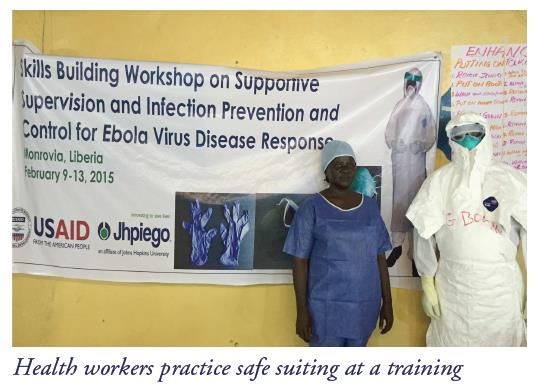
Capacity building included Training (clinical and support personnel). 278 existing health facility staff members as IPC focus points for daily monitoring (OFDA) were trained. Additionally 1,065 health facility staff were trained in Keep Safe Keep Serving IPC and emergency response training (OFDA). Onsite IPC management teams were established in 210 facilities (KOICA and MCSP). Also health workers were offered onsite refresher trainings.
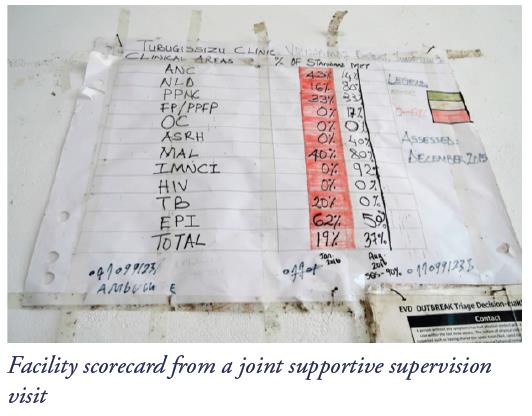
Supportive supervision, mentoring, and coaching were capacity building interventions. 50 district health officers and supervisors were trained in eight counties in supportive supervision, mentoring, and coaching (OFDA). They co-conducted, with district and county health staff, 7,980 weekly and 2,280 monthly supportive supervision visits (OFDA). IPC practices were monitored against the MOH’s IPC minimum standards tool monthly, with scoring, feedback to clinicians and supervisors, and development of action plans for improvement of gaps. Onsite mentoring and coaching was provided on adherence using IPC minimum standards tool at least four times yearly (KOICA and MCSP).

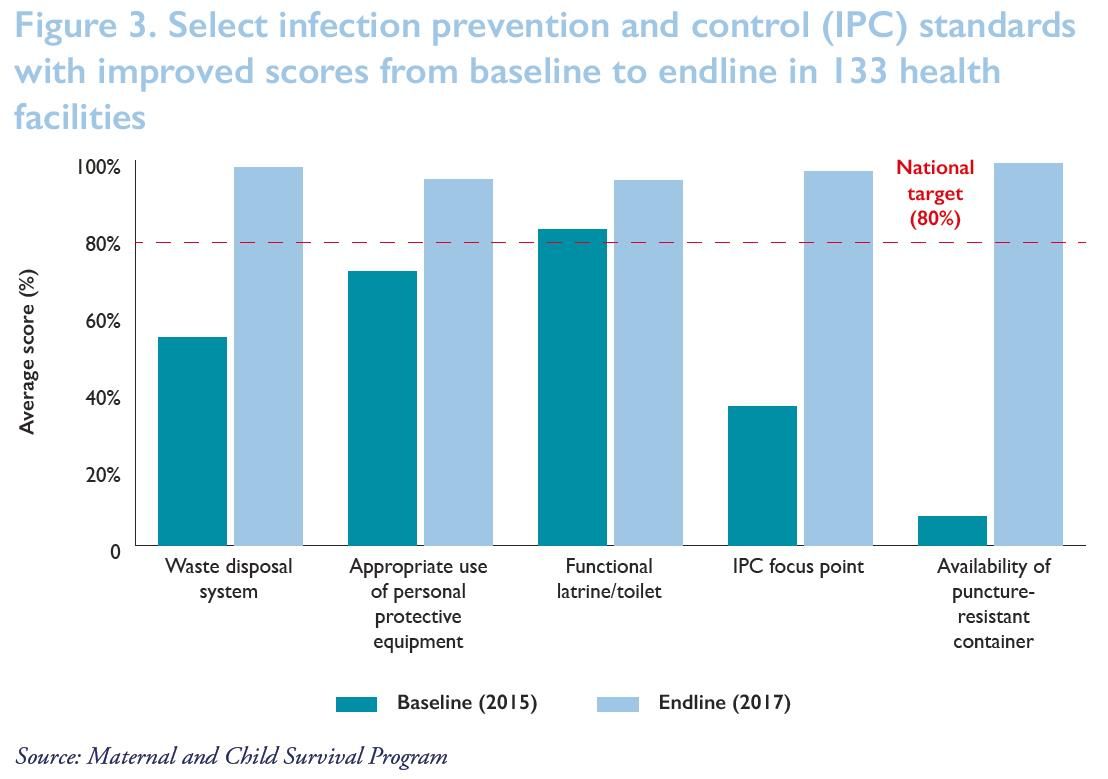
As a result of the intervention Clinicians and support personnel at program-supported health care facilities adopted, adhered to, and maintained proper IPC practices. This enabled them to provide safe services and evidenced by IPC scores from the Safe, Quality Health Services IPC standards tool. Out of 131 health facilities at endline 99% improved their waste disposal, particularly the availability and use of puncture-resistant sharps containers for the safety of cleaning staff. All (100%) had in place and were using a clear protocol for management and disposal of waste. 98% were segregating waste for safe disposal and management to avoid contamination and spread of infectious disease. 94% had a functional latrine/toilet. All (100%) had operational IPC focus points ensuring adherence to IPC practices. In 95%, staff were regularly using risk-appropriate personal protective equipment during routine care.

Lessons learned from the intervention showed the importance of the following efforts:

  • Comprehensive support is needed to improve adherence to infection prevention and control (IPC) standard practices:
  • Capacity-building among health facility staff
  • Infrastructure upgrades
  • Provision/availability of IPC supplies
  • To maintain that adherence after the immediate threat has passed and thus mitigate potential future outbreaks, health facilities need:
  • Continuous hands-on mentoring
  • Upgraded IPC infrastructure for reproductive, maternal, newborn, child, and adolescent health services
  • Changes in behavior and attitudes of health facility staff
  • Regular and rigorous data collection and feedback
This poster was made possible by the generous support of the American people through the United States Agency for International Development (USAID), under the terms of the Cooperative Agreement AID-OAA-A-14-00028. The contents are the responsibility of the Maternal and Child Survival Program and do not necessarily reflect the views of USAID or the United States Government.

Abbreviations: EBSNM, Esther Bacon School of Nursing and Midwifery; HRH, Human Resources for Health; KOICA, Korea International Cooperation Agency; MCSP, Maternal and Child Survival Program; MPCHS, Mother Patern College of Health Sciences; MTPSER, Midwifery Training Program-Southeastern Region; PTP, Phebe Paramedical Training Program; RHS, Restoration of Health Services; TNIMA, Tubman National Institute of Medical Arts; UMU, United Methodist University
Case Management &Health Information &Procurement Supply Management Bill Brieger | 30 Oct 2018

One SMS Saves Lives in Madagascar

Haja Andriamiharisoa, Eliane Razafimandimby, Jean Pierre Rakotovao, Jean Eugene Injerona, Zo Harifetra, Lalanirina H. Ravony, Rado Randriamboavonjy, Jocelyn Razafindrakoto, and Laurent Kapesa have been working with the USAID Maternal and Child Survival Program. At the 2018 Annual Meeting of the American Society of Tropical Medicine and Hygiene they presented their experiences on “Improving Procurement and Redeployment of Malaria Commodities Using SMS and Web Mapping at a District Level in Madagascar,” and are also sharing via this posting.

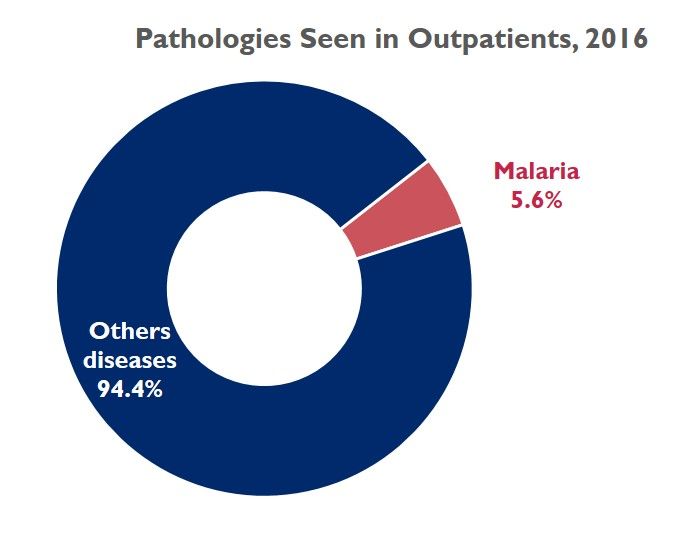
Malaria is a public health problem in Madagascar. In 2016, the frequency of diseases at health center level, places malaria at the 4th cause of hospital morbidity and mortality. Out of about 30 thirty diseases, malaria accounts for 5.6% of all cases.

Health facilities often experience commodity stock-outs of products used for malaria prevention and case management. The existing logistics reporting system does not allow for macro or micro views of the monthly stock situation at the health facility level, which inhibits rapid decision-making.

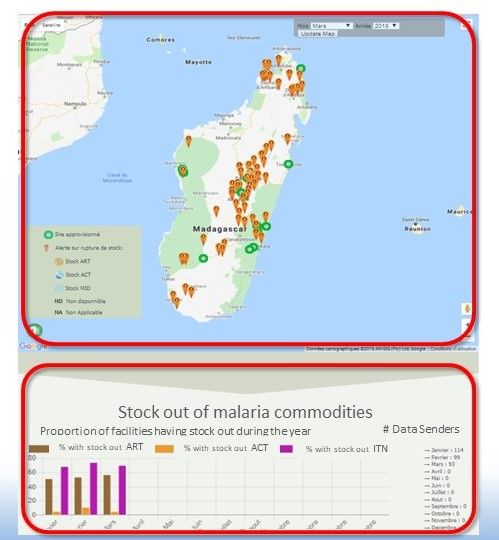
On January 2018, implementation of a fast data collection system and easy-to-use data visualization began. The tool was based on the use of SMS and web mapping to map the level of monthly keys stock of commodities. The data are sent by providers at facility level via structured SMS and are published by a web server by a web mapping process. Note that sending a monthly SMS costs 9 US cents per facility. Providers at 773 health facilities in 16 regions of Madagascar sent monthly SMS (each message cost $0.09) with ART, ACT, and ITN stock levels.

  • Sample message: “Please send the quantity in stock at the end of month in: ART, ACT, ITN.”
  • Structure like: “palu csbcode year month ART ACT ITN. Thank you.”
  • Sample of answer received: “palu 520241031 D A 200 25 0”

Thus was created an easy-to-use tool from data received. It was free to use, and no password was needed. The SMS is simple and short (of 40 forty characters, composed of:

  • “palu” diminutive of malaria so that the system is ready for data collection from other cases
  • the health facility code : 520241031
  • year : here D : as project has implemented sms data collecting system since 2015 = A
  • month : here A that means January
  • stock of Injectable Artesunate (ART) : 200
  • stock of tablet for Artemisininbased combination therapy (ACT) : 25
  • stock of Insecticide Treated Nets (ITN) : 0

Providers send SMS after completing the Monthly Activity Report. (CSB = Centre de Santé de Base, or basic health center). The received data are then displayed as web mapping on a Google map background, embedded on a web page. From this screen shot, The page displays a map of stock outs for the selected month, and monthly charts of the stock status of the three commodities. Accessing this website, is open, without restriction.

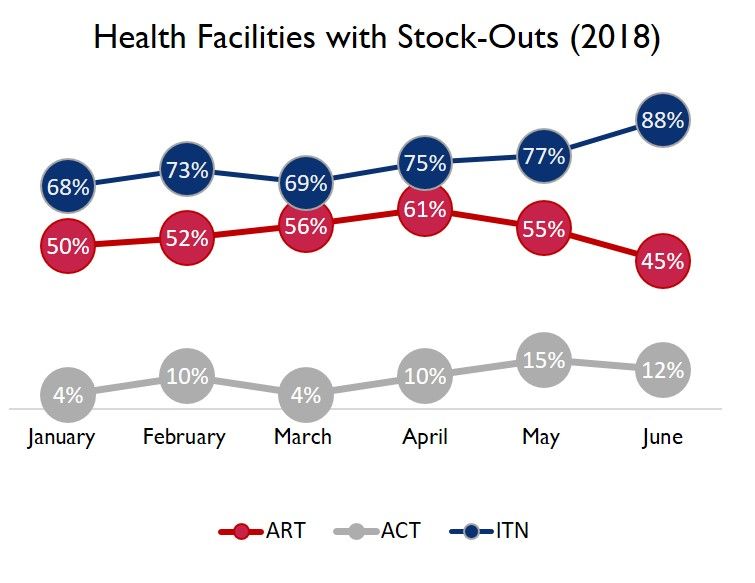
From the end of January to the end of June 2018, a hundred health facilities sent SMS each month. The data we received shows that on average:

  • 75% Average stock-out of ITN
  • 53% Average stock-out of ART
  • 9% Average stock-out of ACT

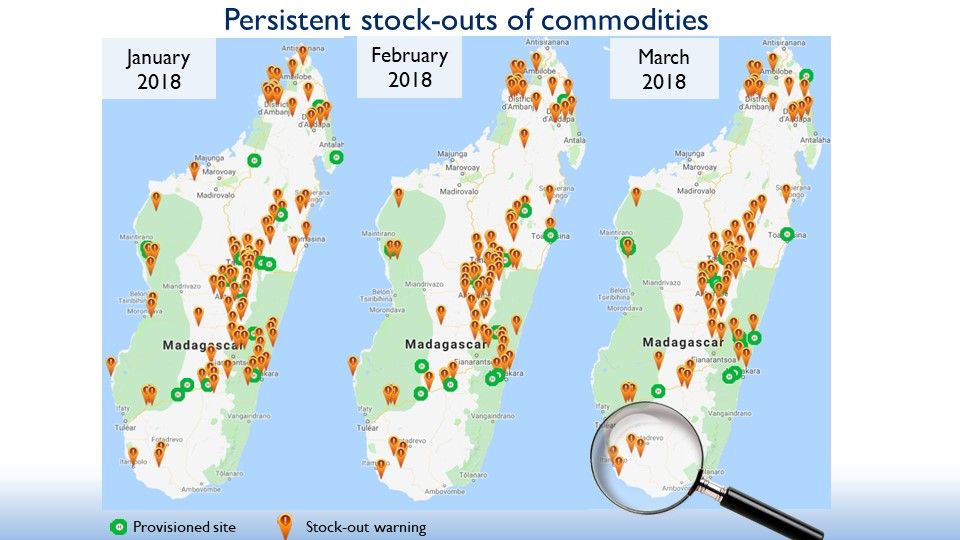
The attached three-map picture provides a broad view from three screenshots of the system, showing the evolution of stock-outs at a facility level

  • Each point represents health facilities:
  • When the dot is green, this means that the 03 commodities are available in stock
  • When in brown, at least one of the 03 elements is unavailable
  • At first sight, there are more stockouts than stock availability and a tendency of the reduction of green points over the months
  • Appropriate decision-making would change the points of the map of the following months to green

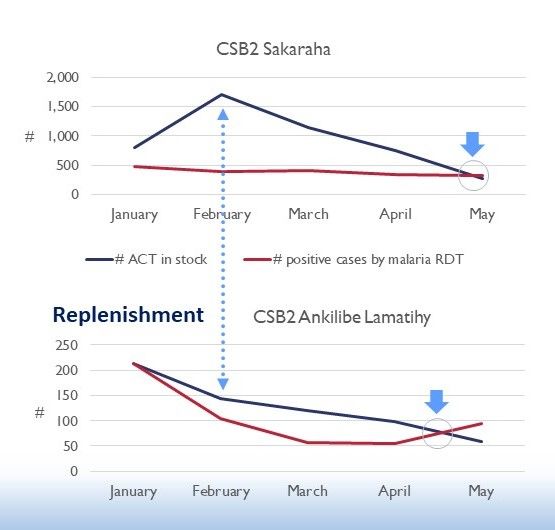
After this broad view of the country’s overall situation and given the large number of facilities with out of stock, an emergency supply for all districts was done for some medicine since February 2018. Based on maps and stats, we could improve our interventions at a CSB level through rapid and adequate decision-making as in the supply of ITN and ART.

In conclusion, the use of SMS data collection to map stock-outs online can quickly improve input supply through simple spatial analysis. Sending SMSs to alert district-level officials about overstock in facilities at the same district level can solve many stock-out issues. All districts were restocked using this SMS and Web mapping system, but routing to the CSBs remains a challenge. Punctual stock-out reporting could significantly reduce the morbidity and mortality caused by malaria.

This presentation was made possible by the generous support of the American people through the United States Agency for International Development (USAID), under the terms of the Cooperative Agreement AID-OAA-A- 14-00028. The contents are the responsibility of the authors and do not necessarily reflect the views of USAID or the United States Government.

Health Information &Health Systems &Health Workers &Leadership Bill Brieger | 30 Oct 2018

Assessing Organizational Capacity to Deliver Malaria Services in Rural Liberia

Swaliho F. Kamara, Wede Tate, Allyson R. Nelson, Lauretta N. Se, Lolade Oseni, Gladys Tetteh of MCSP/Jhpiego are presenting a poster at the 2018 Annual Meeting of the American Society of Tropical Medicine and Hygiene on Malaria Service delivery in rural Liberia. Their findings are shared below:

In Liberia Malaria prevalence in children under 5 is 45% nationally and higher in rural counties (NMCP et al. 2017). The National Malaria Control Program (NMCP) leads the rollout of malaria prevention and control activities to county health teams (CHTs), per the National Malaria Strategic Plan (2016–2020). A key donor supporting malaria prevention and control, the President’s Malaria Initiative (PMI), has been committed to the Ministry of Health and Social Welfare (MOHSW) strategy since 2008, when it began working in three out of 15 malaria-affected counties. PMI supports CHTs in their management of local health systems and service delivery oversight. As part of an expansion program to five additional rural, neglected, high-burden counties in 2017, the United States Agency for International Development (USAID)/ PMI-funded Maternal and Child Survival Program (MCSP) assessed CHTs’ organizational capacity to identify ways to improve the quality of malaria health services.

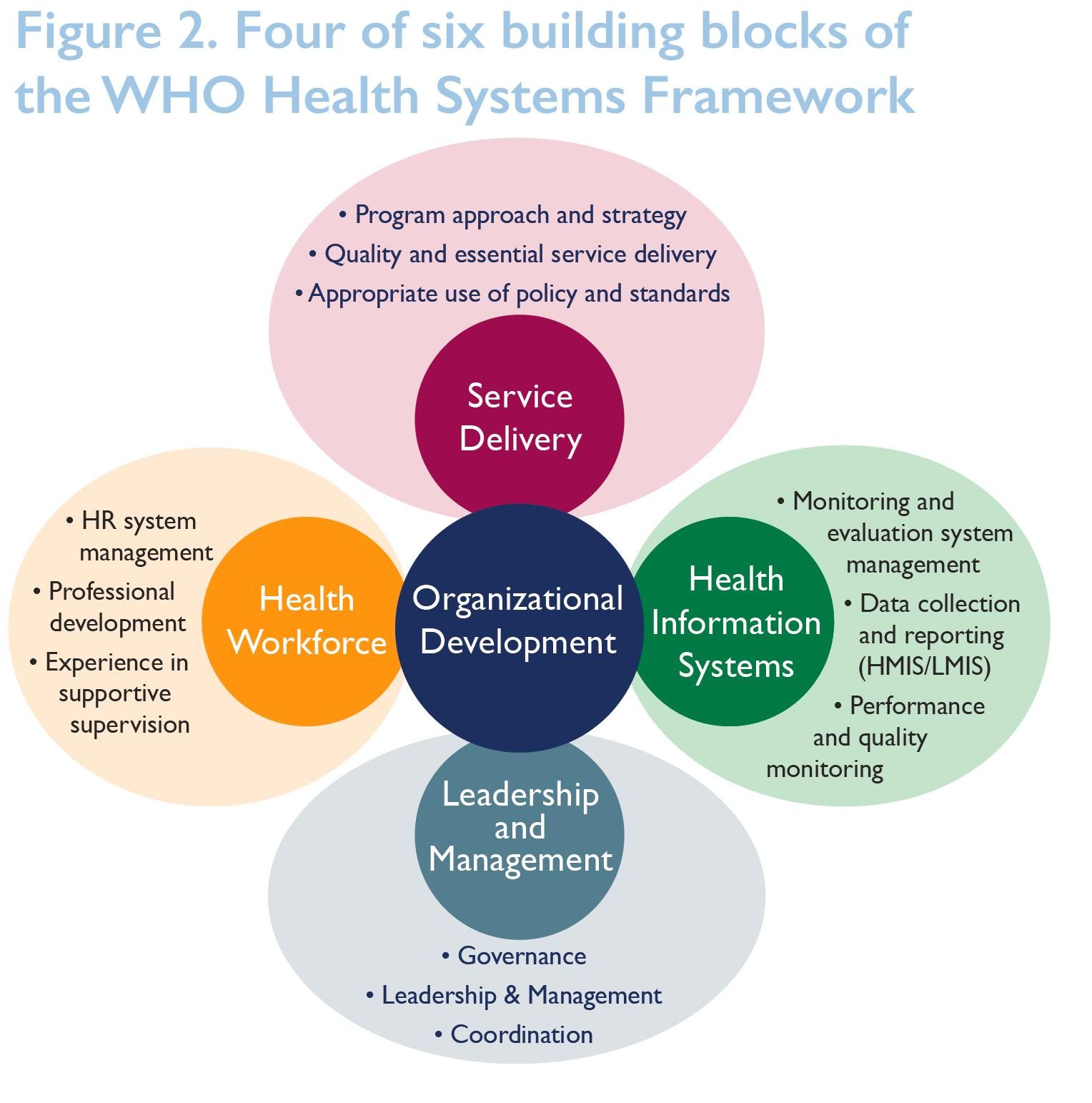
We assessed CHTs’ capacity using a modified organizational capacity assessment (OCA) tool that was used by the USAID’s Rebuilding Basic Health Services (RBHS) project to assess the capacity of the MOHSW, CHTs, and district health teams (DHTs), capturing four of the six World Health Organization (WHO) building blocks of the Health Systems Framework. We also assessed all 30 districts in five counties. Performed desk review, review of self- evaluations, and face- to-face validation interviews. The assessment focused on processes, not physical systems, so the capacity and knowledge of the respondents may have influenced results in some of counties.

Scoring Structure of the OCA Tool: Following each assessment, MCSP used a detailed summary sheet (Figure 3) to display the aggregate scores for each subarea under all key domains, then generated an overall score for each domain. The total score was then expressed as a percentage for each key domain. The majority of the assessment involved asking specific questions about performing malaria interventions per the project scope.

Effective Interventions were determined:

  • Health Workforce Interventions …
    • Trained health care workers.
    • Trained supervisors on revised supervision tool.
    • Performed quarterly supervision and mentoring.
  • Leadership and Governance
    • Identified a malaria focal point.
    • Activated functional health-sector coordination committees.
    • Held quarterly review meetings.
  • Health Information System
    • Provided health management information systems (HMIS) forms to health facilities.
    • Facilitated in-service training on onsite data verification.

Results showed that CHTs’ overall average score was 87% in service delivery, 65% in health information systems, 78% in health workforce, and 70% in leadership/management. Interventions addressing gaps identified in health workforce, leadership and governance, and health information systems resulted in improved service delivery (see Figure 4).

In conclusion, The OCA tool helps to identify common challenges, assist with systemwide improvements across CHTs or DHTs, evaluate progress, and meet specific needs. Future efforts are needed to improve the tool’s specificity, the weighting attached to different sections and issues, and its relevance to different types of organizations. Training is an important component to capacity-building, but it is just one part of the picture. Need to improve the way organizations and CHTs/DHTs coordinate with partners to improve all health interventions. Need to focus on application and results of capacity-building, not on capacity as an end in itself.

This poster was made possible by the generous support of the American people through the United States Agency for International Development (USAID), under the terms of the Cooperative Agreement AID-OAA-A-14-00028. The contents are the responsibility of the Maternal and Child Survival Program and do not necessarily reflect the views of USAID or the United States Government.

Health Information Bill Brieger | 29 Oct 2018

Contribution of Quarterly Malaria Data Review and Validation to Data Quality and Malaria Services Improvement

Without quality service delivery data, we can never confidently say what progress we are making in improving access and uptake to malaria services. Mathurin Dodo, Ousmane Badolo, Stanislas Nebie, Youssouf Sawadogo, Thierry Ouedraogo, Moumouni Bonkoungou, Youssouf Zongo, Maria Gouem, Danielle Burke, William Brieger, and Gladys Tetteh of the USAID/Jhpiego Improving Malaria Care Project and Burkina Faso Ministry of Health have implemented procedures to review malaria data quality. They share their findings at the 2018 American Society of Tropical Medicine and Hygiene as well as in the text that follows:

In Burkina Faso, malaria seriously affects pregnant women and children under 5 years of age . The malaria fatality rate for children under 5 was 2.8% in 2010, 2.10% in 2011, and 2.7% in 2012. For pregnant women, it was 0.71% in 2011 and 0.66% in 2013. Since October 2013, the United States Agency for International Development/ President’s Malaria Initiative has funded the 6-year Improving Malaria Care (IMC) project to improve malaria prevention and case management in support of the National Malaria Control Program (NMCP). The Ministry of Health and IMC staff conducted two malaria data quality audits (DQAs) in September 2014 and February 2017 that confirmed the poor quality of malaria data. The accuracy of malaria key indicators ranged from 56% to 76%.

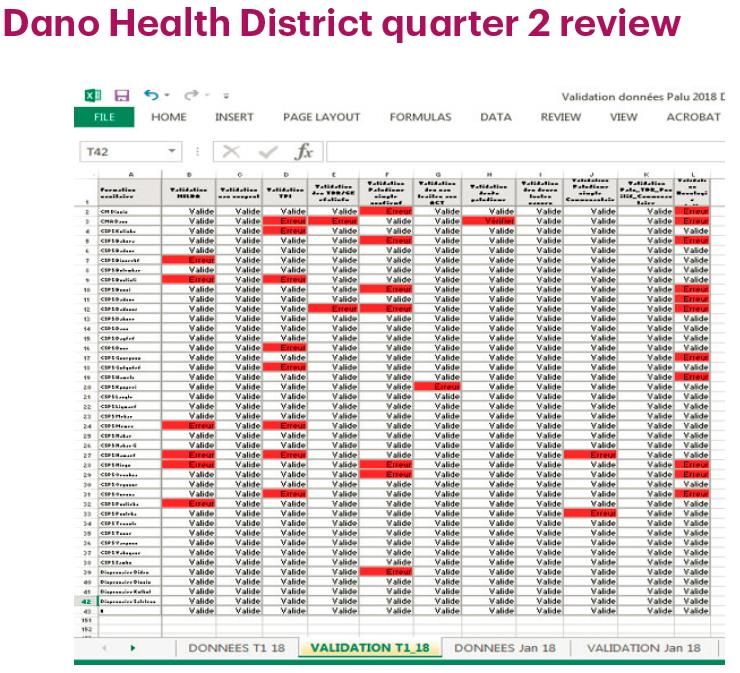
A Pre-Data Review Workshop begins the process. IMC supported the NMCP and health management information system to develop a manual of procedures for malaria data review and validation at health district level. IMC assisted in developing a malaria data review sheet based on data validation rules in manual. Each quarter, the district data manager entered data from monthly reports sent by the health facilities in the three health district project areas—Boromo, Dano, and Koupela—into DHIS2.

During the Data Review Workshop the regional data manager asked each health facility manager to verify reports. When correcting each error, the regional data manager and head of the district management team explained to providers the indicator definitions and malaria prevention and treatment guidelines. The district data manager corrected the data in DHIS2.

After three rounds of quarterly reviews, all three health districts saw an overall decrease in the number of reporting errors. After two rounds of quarterly data review workshops, there were no errors due to understanding detected.

Quarterly data review workshops can be used to reinforce the technical capacity of providers. Involving providers who are responsible for malaria prevention, diagnosis, and treatment gives them a better understanding of indicator definitions and linkages between indicators and the services they provide. Working with health care providers to improve data quality at the district level helps providers build capacity in health management information systems and in data collection, verification, and control at facility level. It also improves the quality of malaria services. The malaria data review contributes to malaria data quality improvement. All opportunities should be used to reinforce the capacity of health care providers and improve the quality of malaria prevention and case management services.

This poster was made possible by the generous support of the American people through the United States Agency for International Development (USAID) under Cooperative Agreement No. AID-624-A-13-00010 and the President’s Malaria Initiative (PMI). The contents are the responsibility of the authors and do not necessarily reflect the views of USAID, PMI or the United States Government.

Case Management &CHW &Community &iCCM Bill Brieger | 29 Oct 2018

Performance of Community Health Workers in Providing Integrated Community Case Management (iCCM) Services in Eight Districts of Rwanda

During the first poster session at the 2018 Annual Meeting fo the American Society of Tropical Medicine and Hygiene, Noella Umulisa, Aline Uwimana, Cathy Mugeni, Beata Mukarugwiro, Stephen Mutwiwa, and Aimable Mbituyumuremyi of the Maternal and Child Survival Project (USAID)/Jhpiego and the Ministry of Health, Rwanda, presented findings from a review of community health workers in malaria case management. Their findings follow:

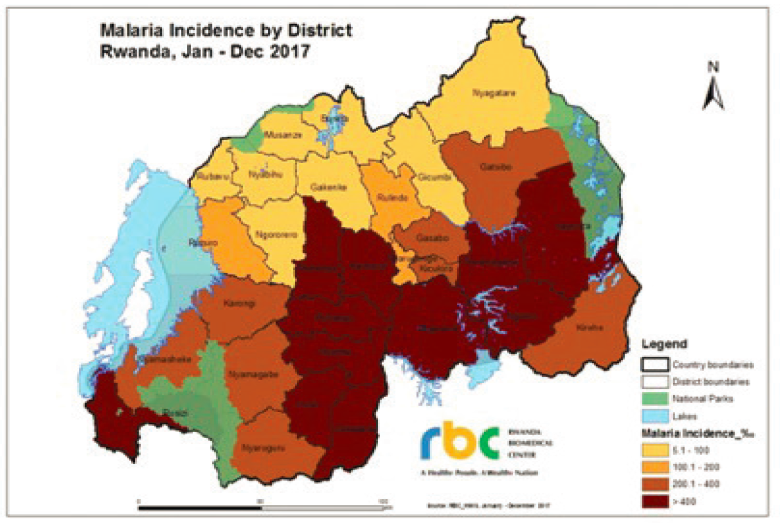
Rwanda has achieved near universal coverage of long-lasting insecticide nets, artemisinin-based combination therapy (ACT) and diagnosis, and targeted indoor residual spraying. Even so, there was an unprecedented increase in malaria cases from 2012-2017 despite optimal coverage of preventive and curative key interventions. The increase was caused by higher temperature, more rainfall, and increased resistance to insecticides.

With more cases, the need for community case management (CCM) is crucial. Rwanda therefore trains, equips and supports community health providers to deliver high- impact treatment interventions and aims to supplement facility-based case management. Rwanda introduced integrated CCM 2008. Trained community health workers (CHWs) provide iCCM based on empirical diagnosis and treatment of pneumonia, diarrhea, and malaria. They also conduct malnutrition surveillance, comprehensive reporting and referral services.

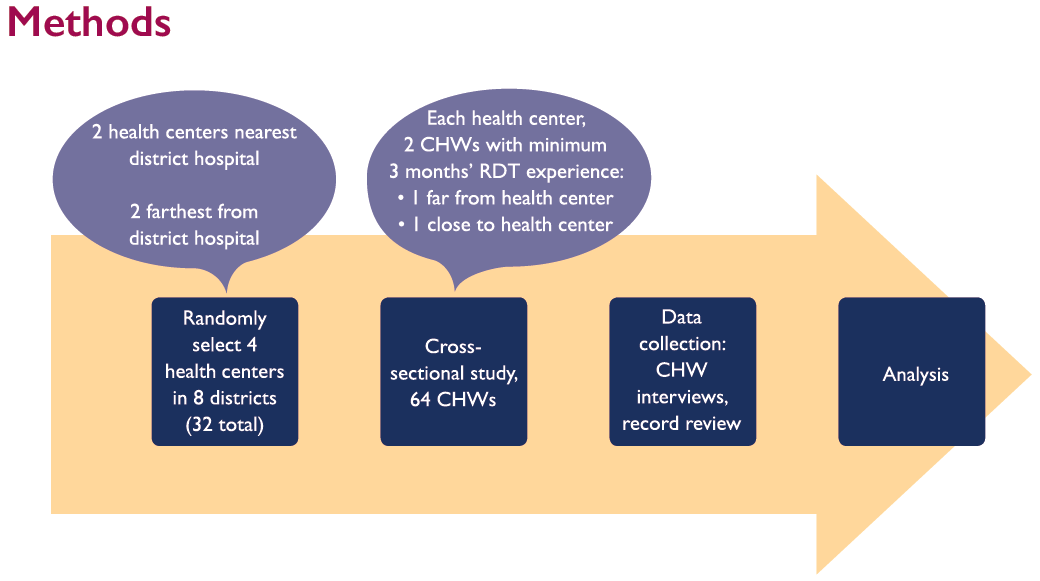
Given the changing status of malaria in the country, it was necessary to evaluate the performance of the CHWs. The evaluation aimed 1) to evaluate CHW performance in managing malaria, pneumonia and diarrhea in 8 districts of Rwanda based on national guidelines, and 2) to identify areas to reinforce and empower community health interventions. Using proximity (near/far) to hospitals and health centers, CHWs who had a minimum of 3 months experience using malaria rapid diagnostic tests (RDTs) were selected for interview. Slightly over half of CHWs were Males (56.2%). Most were over 40 years of age and nearly one-third were 50 years and older. Only 2% were between 25-29 years old.

Based on National Guidelines, CHWs were judged to have provided “adequate” treatment more frequently than “correct” treatment. Overall, 90% of cases were adequately treated; only 70% correctly treated. Among the three main conditions, malaria was most often adequately and correctly treated. Incorrect treatment was due to lack of adherence to guidelines. For malaria incorrect treatment often meant using the wrong does for age packet for treatment when the correct packet was not in stock.

In conclusion, CHWs correctly treat 70% of children for all IMCI pathologies according to national guidelines. Malaria was the most seen/treated pathology; cases increased during study period. Overall, cases more often treated adequately than correctly. CHWs use complex tools thus lack adequate time to follow all steps correctly when providing services.

The study team recommends the need to strengthen iCCM commodities supply chain, especially at community level through supervision and mentorship conducted at health centers, district hospitals and central level. Also it is necessary to revise and simplify iCCM tools used by CHWs to decrease burden and improve quality of services.

This poster was made possible by the generous support of the American people through the United States Agency for International Development (USAID), under the terms of the Cooperative Agreement AID-OAA-A-14-00028. The contents are the responsibility of the Maternal and Child Survival Program and do not necessarily reflect the views of USAID or the United States Government.

CHW &Community &IPTp &Malaria in Pregnancy Bill Brieger | 29 Oct 2018

Community Health Workers Can Enhance Coverage of Intermittent Preventive Treatment of Malaria in Pregnancy and Promote Antenatal Attendance

Among the poster presentations on malaria from Jhpiego, the President’s Malaria Initiative and partners at the 2018 ASTMH Annual Meeting, WR Brieger, J Tiendrebeogo, O Badolo, M Dodo, D Burke, K Vibbert, SJ Youll, and JR Gutman shared the findings from a 15-month intervention that tested the ability of community health workers to deliver intermittent preventive treatment of malaria in pregnancy in 3 districts in Burkina Faso. Please check out the poster and talk to one of the co-investigators at Poster Session A on Monday 29 October. Their results are found below.

Malaria in pregnancy is responsible for a substantial proportion of low-birthweight and stillborn infants in sub-Saharan Africa. To prevent this, the World Health Organization (WHO) recommends that pregnant women receive intermittent preventive treatment of malaria in pregnancy (IPTp) using sulfadoxine-pyrimethamine. Specifically, WHO recommends an optimal three or more doses (e.g., IPTp3, IPTp4).

In stable malaria endemic countries, IPTp coverage remains unacceptably low, at around 19% for IPTp3. Community IPTp might provide an answer. Community delivery can improve coverage as seen in previous study in Nigeria and Malawi, but its effects on antenatal care (ANC) attendance have been mixed. Additional data are needed to determine whether delivery of IPTp-SP by community health workers (CHWs) is effective and does not detract from ANC attendance. Hence the Burkina Faso intervention was designed and implemented

The study piloted community delivery of IPTp (c-IPTp) in three districts of Burkina Faso with high malaria transmission: Po, Ouargaye, and Batie.  Four health facilities per district were randomly selected to participate (two intervention and two control).

In 2017, following a baseline household survey of women who recently became pregnant, implementation of c-IPTp began in intervention areas by existing CHWs trained and supervised by health staff. At Baseline in each of the three study districts, four health centers (CSPSs) and the villages in their catchment areas were selected—two as intervention and two as control. A random sample of 374 women who had been pregnant within the last 9 months were interviewed in CSPS catchment villages. There were no significant differences in ANC attendance (ANC1=90%, ANC4=62%) or IPTp coverage between intervention and control areas:

  • IPTp3 was 81% (intervention) and 86% (control).
  • IPTp4 was 22% (intervention) and 16% (control).

The Intervention consisted of building on Burkina Faso’s existing CHWs. They were trained and monitored by clinic staff. The CHWs encouraged women to attend the first ANC visit to obtain IPTp1. Then the CHWs provided monthly doses of IPTp, submitted monthly reports, and continued to promote ANC. ANC attendance and IPTp uptake were monitored through monthly clinic and CHW reports. The catchment area populations were roughly the same, and monitoring showed that the additional provision of IPTp by CHWs resulted in more women being reached while at the same time ANC attendance remained high.

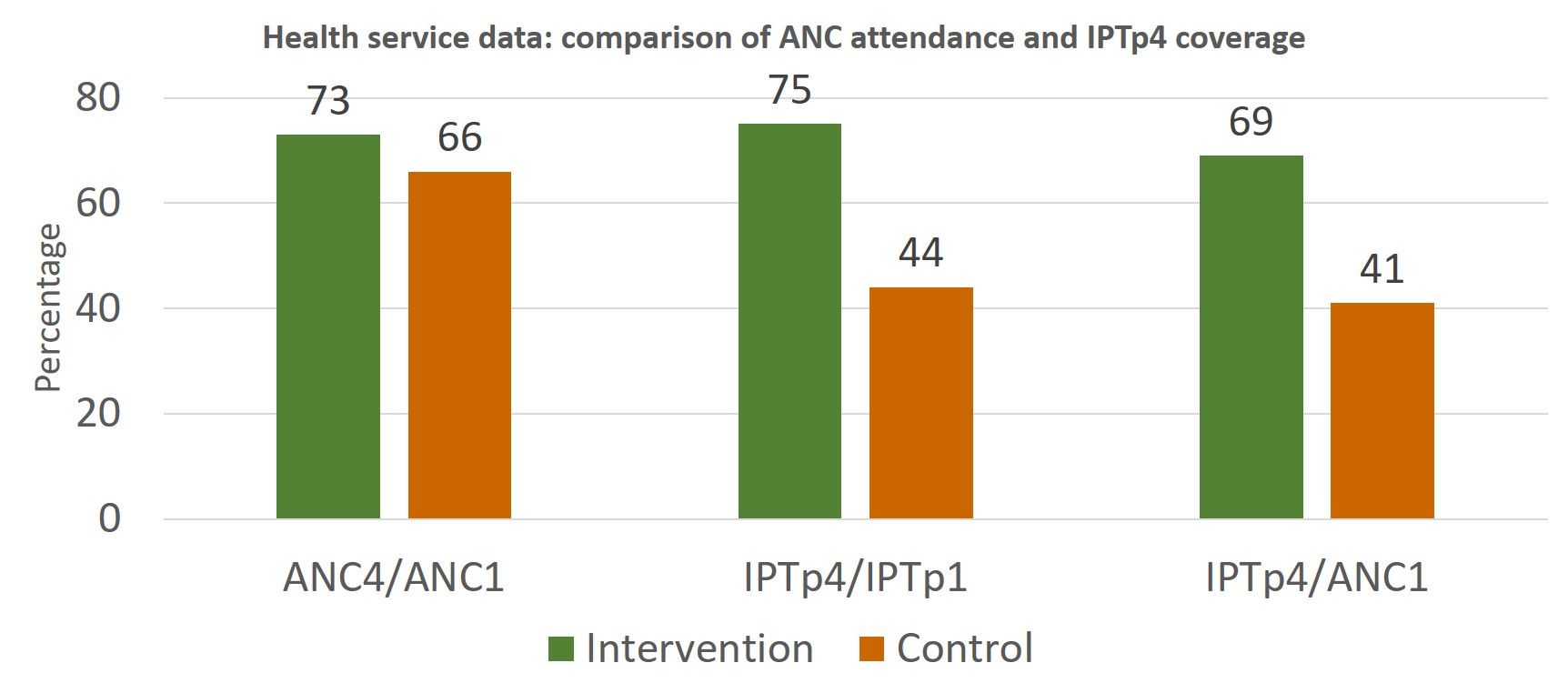
An endline survey was conducted after 18 months of implementation. Changes over time were compared between baseline and endline in intervention versus control villages. Attendance at ANC1 and ANC4 increased in both groups between baseline and endline but was significantly better for the intervention group. Likewise, coverage of IPTp3 and IPTp4 increased between baseline and endline for intervention and control women, but the difference was significant only in the intervention areas.

Monthly monitoring of CHW and ANC registers and the household surveys both documented that community delivery of IPTp resulted in the desired increased uptake of services without detracting from ANC attendance. Community IPTp may be a promising strategy to improve coverage of IPTp.

This presentation was made possible by the generous support of the American people through the United States Agency for International Development (USAID), under the terms of the Cooperative Agreement AID-OAA-A-14-00028. The contents are the responsibility of the Maternal and Child Survival Program and do not necessarily reflect the views of USAID or the United States Government.

Announcement &Case Management &CHW &Community &Ebola &Infection Prevention &IPTp &Malaria in Pregnancy &Quality of Services Bill Brieger | 29 Oct 2018

Malaria Featured in Jhpiego Sessions at ASTMH 2018

Below is a list of Jhpiego Sessions at this week’s American Society of Tropical Medicine Annual Meeting in New Orleans (28 October-1 November). Please attend if you are at the conference:

Poster Session A, Monday, October 29 (Posters in Marriott Grand Ballroom – 3rd Floor )

  • Poster Number 098: Performance of community health workers in providing integrated community case management services (iCCM) in 8 districts of Rwanda
  • Poster 380: Contribution of quarterly malaria data review and validation to data quality and malaria services Improvement
  • Poster LB-5117: Community based health workers can enhance coverage of intermittent preventive treatment of malaria in pregnancy and promote antenatal attendance

Poster Session B, Tuesday 30 October

  • Poster 1088: Assessing organizational capacity to deliver quality malaria services in rural Liberia
  • Poster 1092: Contribution of IMC project in transforming the face of malaria control for vulnerable populations in Burkina Faso
  • Poster 1093: Malaria response plan in times of high transmission: An approach to improving the quality of hospital malaria management
  • Poster 1111: Setting the stage to introduce a ground breaking approach to prevent malaria in pregnancy in Sub-Saharan Africa: baseline-readiness assessment findings from Democratic Republic of Congo, Mozambique, Madagascar, and Nigeria
  • Poster 1337: Institutionalizing infection prevention and control practices in health facilities in Liberia following the Ebola epidemic

Scientific Session 87, Tuesday, 1:45 – 3:30 p.m. Marriott – La Galerie 1 & 2 – 2nd Floor: Improving procurement and redeployment of district level malaria commodities using SMS and web mapping in Madagascar

Poster Session C, Wednesday 31 October

  • Poster 1816: Experiences and perceptions of care seeking for febrile illness among caregivers and providers in 8 districts of Madagascar
  • Poster 1818: Improving adherence to national malaria treatment guidelines by village health workers in selected townships through a low-dose, high-frequency training approach
  • Poster 1819: Improving malaria case management through national roll-out of Malaria Service and Data Quality Improvement (MSDQI): A Case study from Tanzania
  • Poster 1820: Collaborative quality improvement framework to support data quality improvement, experience from 10 collaborative facilities in Uganda
  • Poster 1821: Using malaria death audits to improve malaria case management and prevent future malaria related preventable deaths
  • Poster 1833: Multiple approaches for malaria case management in the struggle to reach pre-elimination of malaria.

Scientific Session 182, Thursday, November 1, 10:15 am – 12:00 p.m. Marriott – Balcony I,J,K – 3rd Floor: Seasonal malaria chemoprevention, an effective intervention for reducing malaria morbidity and mortality

CHW &Civil Society &Community &Health Systems &Partnership &Primary Health Care Bill Brieger | 28 Oct 2018

Achieving UHC through PHC Requires an Implementation Plan

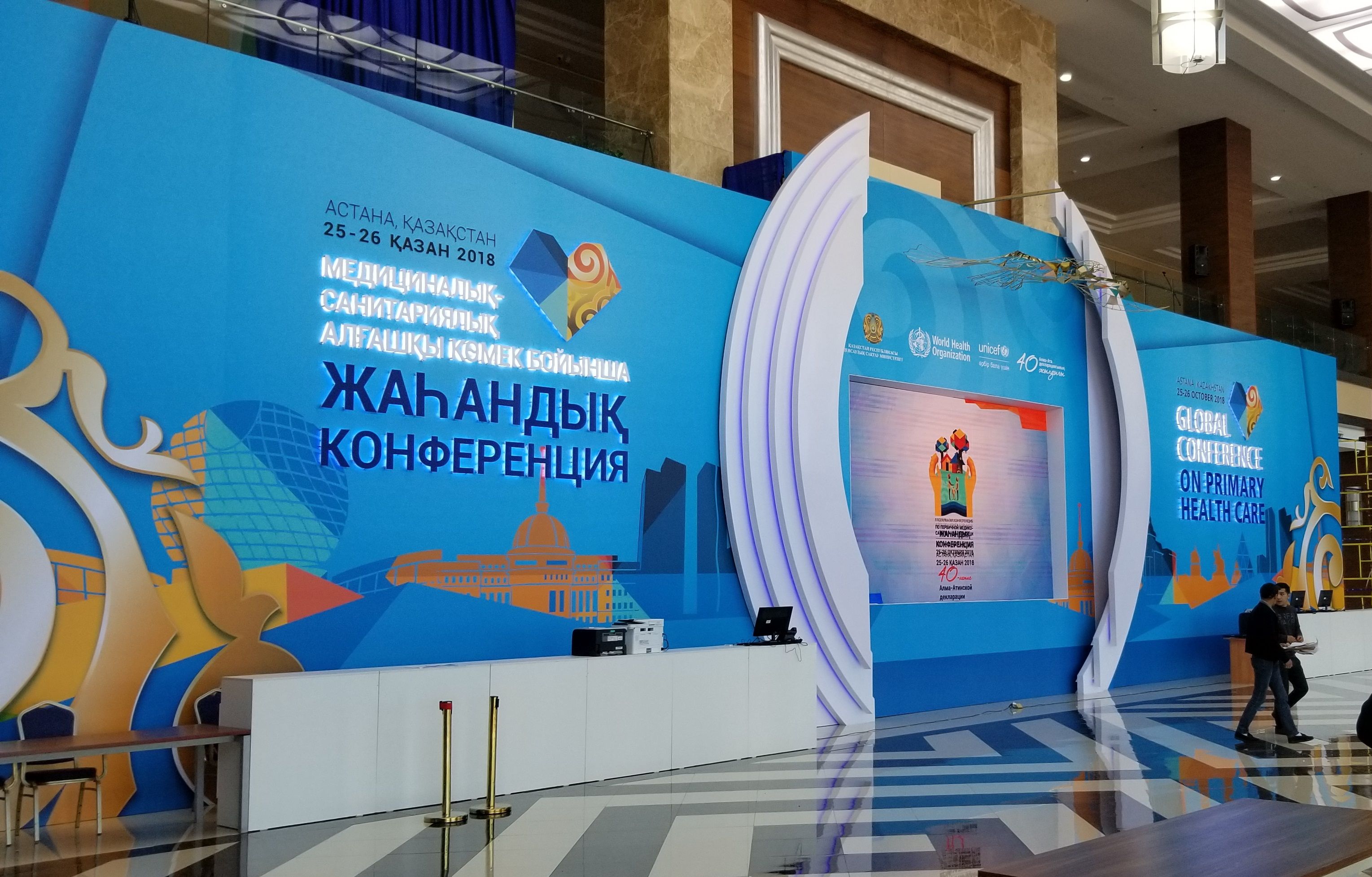
The new Astana Declaration says that, “We are convinced that strengthening primary health care (PHC) is the most inclusive, effective and efficient approach to enhance people’s physical and mental health, as well as social well-being, and that PHC is a cornerstone of a sustainable health system for universal health coverage (UHC) and health-related Sustainable Development Goals.” The Declaration outlined a vision, a mission, and a commitment. An opportunity to discuss how to implement this existed at the two-day conference in Astana Kazakhstan celebrating the 40th anniversary of the seminal Alma Ata Declaration.

Ironically the opportunity was not fully grasped. There were many sessions that shared country experiences ranging from finance to information technology.  Youth who will carry PHC forward for the next 40 years gave their opinions and thoughts. Lip-service as well as actual case examples of community involvement were featured. What we did not hear much of was the specifics of how countries, moving forward, will actually implement the commitments spelled out in the document.

One colleague who has worked with the sponsoring agencies was of the view that since much advanced input and work from many partners and countries had gone into the new Declaration, which was already nicely printed, they were reluctant to provide the slightest chance that debate would be reopened.

As they say, fair enough (maybe), but even if one takes the Declaration as a done deal, the matter if implementation needs to be addressed. There was ample criticism that the Alma Ata Declaration was not properly implemented.  This was in part because academics and development agencies jumped the gun and pushed, with focused financial backing, what would be called selective primary health care that was more agency driven, not community directed as envisioned at Alma Ata (now Almaty) in 1978.

In order not to repeat those mistakes and give full voice to the community and key constituents, at minimum the implementation strategies of the pre-agreed Declaration should have been discussed in specific terms. Sure many ideas and examples were aired, but there was no attempt to focus these into workable strategies.

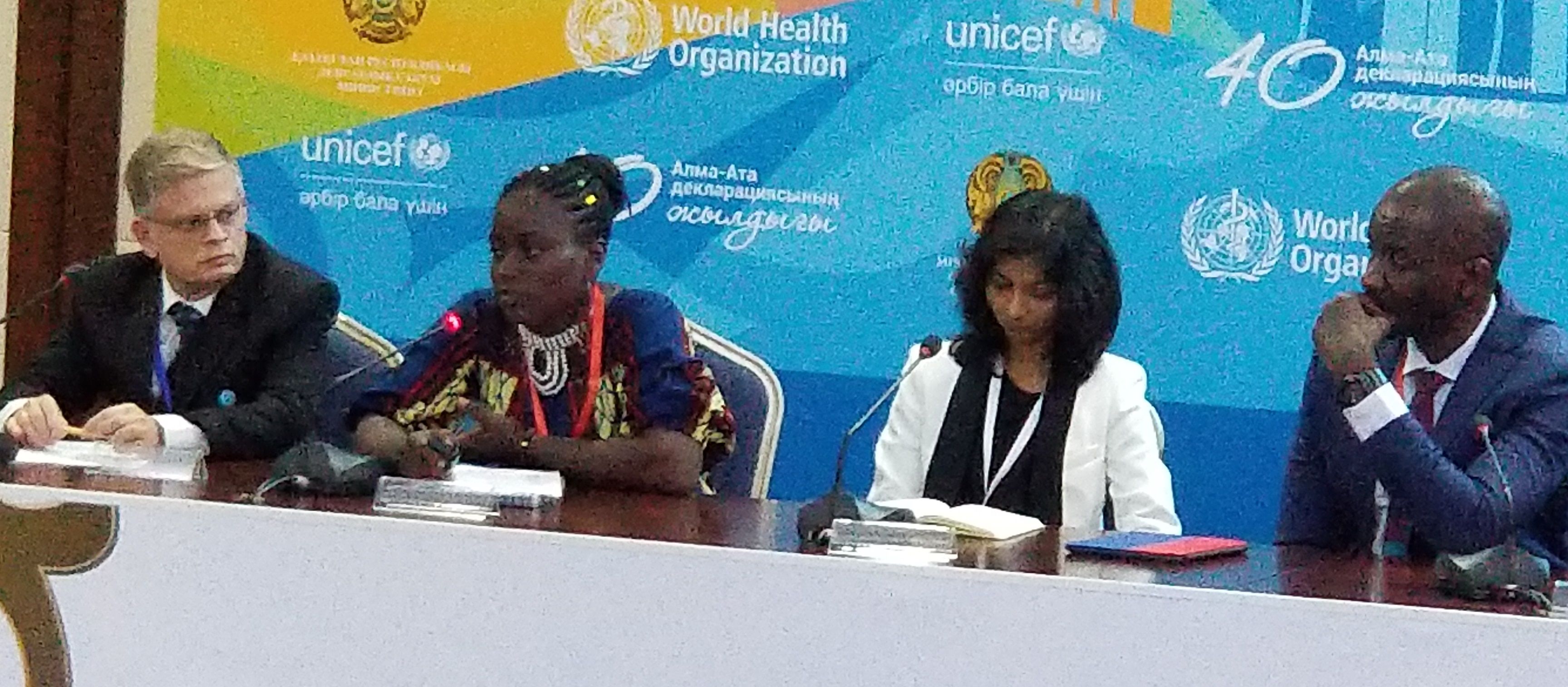
But was the community even there in Astana to take part in strategizing? One community health worker from Liberia received much attention because she was the odd one out. Sure, there were plenty of NGOs, but not the real grassroots of civil society, although the youth involvement aspect of the conference approached that. Some of these NGOs and agencies had themselves been part of the selective PHC agenda.

There was plenty of talk about us involving them, especially when it came to community health workers (CHWs). CHWs should first be integrated into community systems to ensure they are accountable to communities. Then there should be an equal partnership between community systems and health systems. Otherwise CHWs get lost as just front line laborers.

Of course it is never too late. Regional gatherings may be a better forum that can discuss implementation in a more socially,  economically and culturally appropriate way. Let’s hope we don’t look back in another 40 years and with the Astana Declaration had been better and more faithfully implemented.

Borders &CHW &Climate &Elimination &IPTi &Sahel &Surveillance &Vector Control Bill Brieger | 26 Sep 2018

Hopefully Malaria Elimination will not be the SaME

The Sahel Malaria Elimination Initiative (SaME) has been launched, but builds on a long history of cooperation in the region. Efforts by eight Sahelian countries to share lessons and strategies mirrors the Elimination Eight group on the opposite end of the continent.

The few rainy season months in the Sahel offer optimum malaria transmission, which SaME is tackling

The Roll Back Malaria (RBM) Partnership to End Malaria announced that in Dakar on 31st August 2018, the health “ministers from Burkina Faso, Cabo Verde, Chad, Mali, Mauritania, Niger, Senegal and The Gambia established a new regional platform to combine efforts on scaling up and sustaining universal coverage of anti-malarials and mobilizing financing for elimination.” The group plans a fast-track introduction of “innovative technologies to combat malaria and develop a sub-regional scorecard that will track progress towards the goal of eliminating malaria by 2030.” This will build on the existing country scorecard that has been developed and implemented by AMLA2030 for all countries in the region and tracks roll out of key malaria and health interventions. The Sahel Malaria Elimination Initiative will be hosted by the West African Health Organization, a specialised agency of the Economic Community of West African States (ECOWAS).

RBM explains that while the eight countries will work together, they do not have a homogenous epidemiological picture or experience with malaria programming. The Sahel experiences 20 million annual malaria cases, according to RBM, and “the Sahel region has seen both achievements and setbacks in the fight against the disease in recent years.” These eight have a highly variable malaria experience. Burkina Faso and Niger continue to be among the countries with high malaria burdens. Cabo Verde is on target for malaria free status by 2020. The Gambia, Mauritania and Senegal are reorienting their national malaria program towards malaria elimination. A benefit of this epidemiological and programmatic diversity is that countries can learn important lessons from each other.
The SaME Initiative will use the following main approaches to accelerate the combined efforts towards the attainment of malaria elimination in the sub-region:3

  • Regional coordination
  • Advocacy to keep malaria elimination high on the development and political agenda
  • Sustainable financing mechanisms
  • Cross-border collaboration and ensuring accountability
  • Fast-track the introduction of innovative and progressive technologies
  • Re-enforcing the Regional regulatory mechanism for quality of malaria commodities and introduction of new tools.
  • Establish malaria observatory, regional surveillance, and best practice sharing

Collaboration across borders on vector control is an example of needed regional coordination. According to Thomson et al., climate variations have the potential to significantly impact vector-borne disease dynamics at multiple space and time scales. Another challenge to vector control in the region is the issue of how mosquitoes repopulate areas after an extended dry season. Huestis et al. examined the response of Anopheles coluzzii and Anopheles gambiae to environmental cues in season change in the Sahel.
Seasonal Malaria Chemoprevention Round 3 of 2018 in Burkina Faso

In addition to a history of cooperation, Sahelian countries share a unique malaria intervention, Seasonal Malaria Chemoprevention (SMC) that as the name implies, built on the reality of highly seasonal transmission in the region. SMC grew out of over five years of research in several African settings to test the effect of what was originally termed Intermittent Preventive Treatment for Infants (and later children) or IPTi.

Like IPT for pregnant women, SMC would be given monthly for at least 3-4 months, but unlike IPTp, SMC would consist of a combination two medicines, amodiaquine plus sulfadoxine-pyrimethamine (AQ+SP), which required a three daily doses (SP alone as used in IPTp consists on one dose). SMC could not therefore, be delivered effectively as a clinic-based intervention, but “should be integrated into existing programmes, such as Community Case Management and other Community Health Workers schemes.” Access to SMC by pre-school aged children as delivered by CHWs was found to be more equitable than sleeping under an LLIN. SMC has been recommended for school-age children, a neglected group that bears a substantial burden of malaria.

Closely linked to surveillance is modeling the spatial and temporal variability of climate parameters, which is crucial to tackling malaria in the Sahel. This requires reliable observations of malaria outbreaks over a long time period. To date efforts are mainly linked to climate variables such as rainfall and temperature as well as specific landscape characteristics. Other environmental and socio-economic factors that are not included in this mechanistic malaria model.

The Sahel Malaria Elimination initiative offers a unique collaborative opportunity for countries to improve on the quality of proven interventions like SMC and test and take to scale new strategies like school-based malaria programs. Regional coordination can produce better, timelier and longer-term surveillance and better understanding of and actions against malaria vectors. Readers will surely be anticipating the publishing of the regular progress malaria elimination scorecards as promised by SaME leadership.

Case Management &Elimination &Epidemiology &Health Information &ITNs &Migration &Surveillance Bill Brieger | 20 Jul 2018

Establishing Mobile Outreach Teams (MOTs) for strengthening Active Case Detection with Mobile Populations in Vietnam 2016-2020

Mobile migrant populations present a special challenge for malaria control and elimination efforts. Nguyen Ha Nam and colleagues* (Nguyen Xuan Thang, Gary Dahl, James O’Donnell, Vashti Irani, Sara Canavati, Jack Richards, Ngo Duc Thang, and Tran Thanh Duong) presented their study of this group at the recent Malaria World Congress. They are also sharing what they learned below.

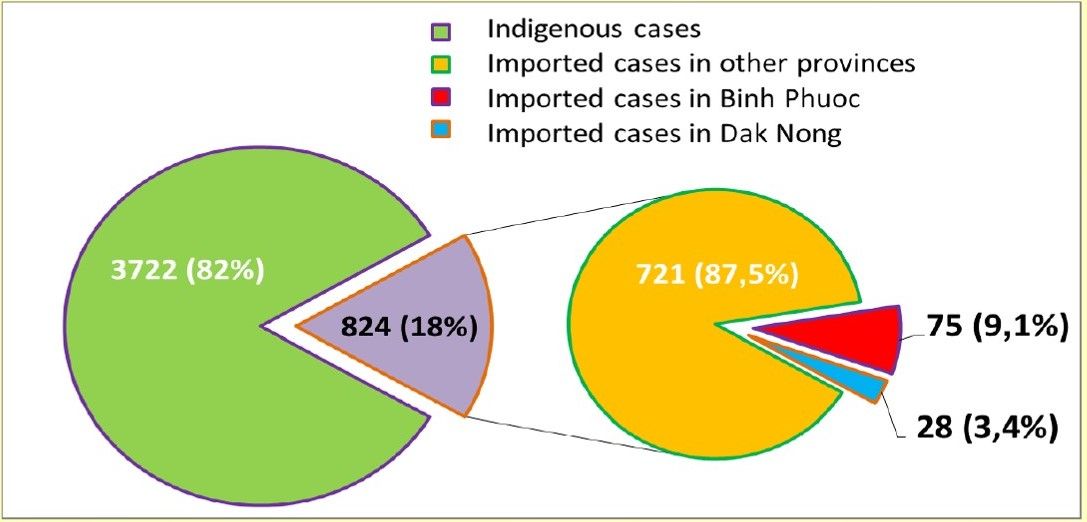
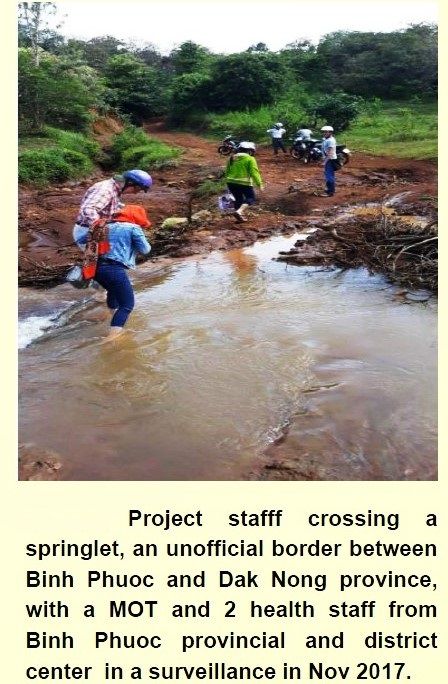
Mobile Migrant Populations (MMPs) are a key population for containing the spread of malaria in the border areas between Cambodia and Vietnam. The number of imported cases in Viet Nam in 2017. 12,5% of such cases caught in Binh Phuoc and Dak Nong provinces and all of them came from Cambodia. The provinces bordering Cambodia and Vietnam have been had the highest malaria transmission intensity. This borders are frequented by MMPs who have proven difficult to target for surveillance and malaria control activities.

Mobile Outreach Teams (MOTs) provide a potential approach to target malaria elimination activities for MMPs who may not be strongly supported by the regular village-based and clinic-based health services. This work describes the implementation of MOTs in Binh Phuoc and Dak Nong Provinces, which are high-risk regions along the Viet Nam-Cambodia border. These activities were conducted as part of the Regional Artemisinin-resistance Initiative (RAI) in 2017. Each MOT was comprised of 2 Commune Health Staff and 1 Village Health Worker (VHW) from the village nearest to the outreach area.

In the first phase of the pilot, 3 communes of 2 districts in Binh Phuoc and 2 communes of 1 district in Dak Nong with highest malaria cases reported from NIMPE are selected as targeted areas. The Objectives were to …

  • Design/tailor Mobile Outreach Information Education and Communication/Behaviour change communication (BCC/ IEC) Toolkit
  • Intensify case detection and quality management by increasing the coverage of diagnostics and treatment for hard to reach populations
  • Strengthen outreach to high-risk and under-served populations through MOT scouting activities to locate unreached Mobile Communities and map their locations
  • Link MMPs with health facilities and Village Health Workers

All MOT members were provided with smartphones and were trained on how to use the EpiCollect5 app to track malaria cases, record mapping information and upload real-time reports of these malaria cases. MOTs conducted 5-day outreach activities every month. These activities began with scouting out locations of the MMP communities.

Once located, the MOTs geo-tagged the location of the community, conducted a short epidemiological survey on the community and screened for malaria using Rapid Diagnostic Tests and blood smear microscopy. Active malaria cases were provided with treatment according to the National guidelines, and Long Lasting Insecticidal Nets were distributed based on results of diagnosis and the survey.

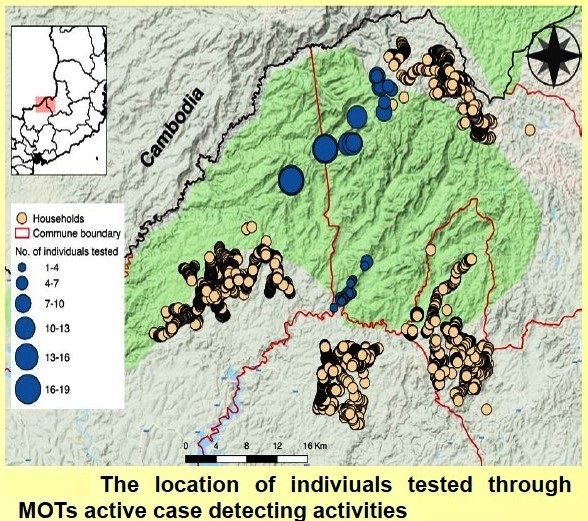
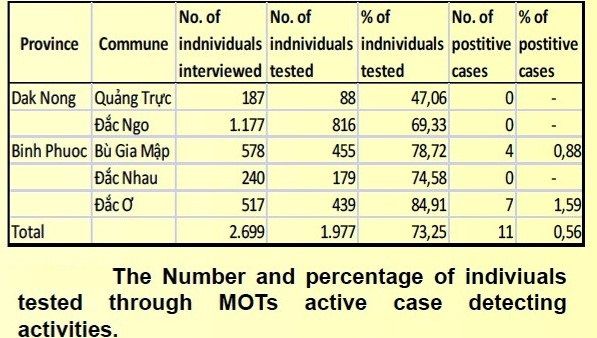
This action has led to increased diagnosis and treatment of hard to reach MMPs with increased access by those communities to malaria services. Improved understanding and increased use of malaria prevention practices hard to reach MMP communities/households. Mapped of previously unreached MMP Communities and unofficial border crossing points with malaria transmission hotspots and highly frequented crossing identified. The number of MMPs were monitored by MOTs were 2,699 accounting for 5.18% of the population in the project sites (2,699/52,095).

These screened MMPs were almost located along the border among project communes in Bu Gia Map National Forest where have a lot of unofficial border crossers, timber camp communities, and other revolving communities. 1,977 targeted people were tested for malaria. This number was achieved 73.25% of mobile migrant people (1,977/2,699). This work highlights how MOTs can target the previously unreached populations of MMPs to strengthen malaria surveillance and active case responses to reduce malaria transmission in Viet Nam.

A system of real-time data collection of malaria cases from VHWs and MOTs using mobile phone uploads was established. Border screening and tracking hard to reach communities is a useful approach to implement to identify imported cases; however, it is labor-intensive, and misses subjects crossing at unofficial borders due to limited working time of MOTs (5 days a month).

Positive cases in Binh Phuoc province are maintained for keeping track after receiving treatment due to no confirmed cases detected in targeted communes in Dak Ngo province, though these communes mainly have numerous transient timber camps moving in deep forests, and highly mobile border-crossers moving between regions and countries frequently. Future work will combine routine support from District health staff and expand the role of VHWs with motorbike provision for each MOT in order to not only to improve their quality outreach activities but also develop stronger Active Case Detection in the next phase of the project.

*Team members represent the National Institute of Malariology, Parasitology and Entomology, Hanoi, Viet Nam; Health Poverty Action, London, UK; and the Burnet Institute, Melbourne, Australia.

References

  • Kheang ST, Lin MA, et al. Malaria Case Detection Among Mobile Populations and Migrant Workers in Myanmar: Comparison of 3 Service Delivery Approaches. 2018
  • Shannon Takala-Harrison,a Christopher G. Jacob, et al. Independent Emergence of Artemisinin Resistance Mutations Among Plasmodium falciparum in Southeast Asia. 2014.
  • Imwong M, Hien TT, et al. Spread of a single multidrug resistant malaria parasite lineage (PfPailin) to Vietnam. 2017.
  • Richard J Maude,corresponding author Chea Nguon, et al. Spatial and temporal epidemiology of clinical malaria in Cambodia 2004–2013. 2014.
  • Imwong M, Nguyen TN, et al.The epidemiology of subclinical malaria infections in South-East Asia: findings from cross-sectional surveys in Thailand–Myanmar border areas, Cambodia, and Vietnam. 2015.
  • Hannah Edwards, Sara E. Canavati, et al. Novel Cross-Border Approaches to Optimise Identification of Asymptomatic and Artemisinin-Resistant Plasmodium Infection in Mobile Populations Crossing Cambodian Borders. 2015.

« Previous PageNext Page »