Posts or Comments 26 April 2026

Case Management &Children &Mortality Bill Brieger | 22 Nov 2019

Prioritizing Facilities for Malaria Case Management Training In the Era of Limited Resources
Presenting at the 68th Annual Meeting of the American Society of Tropical Medicine and Hygiene are James Sarkodie, Amos Asiedu1 Eric LaFary, Richard Dogoli, Raphael Ntumy, Lolade Oseni, and Gladys Tetteh who are sharing experiences on “Prioritizing Facilities for Malaria Case Management Training In the Era of Limited Resources”. The authors are affiliated with the PMI Impact Malaria (IM) Project and Jhpiego Baltimore. Below are their findings.

Ghana has made significant recent improvements in malaria control, reducing malaria deaths by 70% (1565 in 2015 to 468 in 2018) with a corresponding decline in under-5 malaria case fatality rate (CFR) from 0.51% to 0.19%. However, significant geographical variations in malaria morbidity and mortality persist and to achieve greater impact, a one-size fits all training approach may no longer be the most effective option.

The training aimed to prioritize facilities for refresher malaria case management training by the US President’s Malaria Initiative-funded Impact Malaria Project in collaboration with Ghana Health Service through systematic evidence-based criteria informed by quantitative and qualitative data. The team gathered information using routine health management information system (HMIS) data from October 2017 to September 2018 including total malaria admissions, malaria deaths malaria case fatality rates were determined for all districts in respective regions.

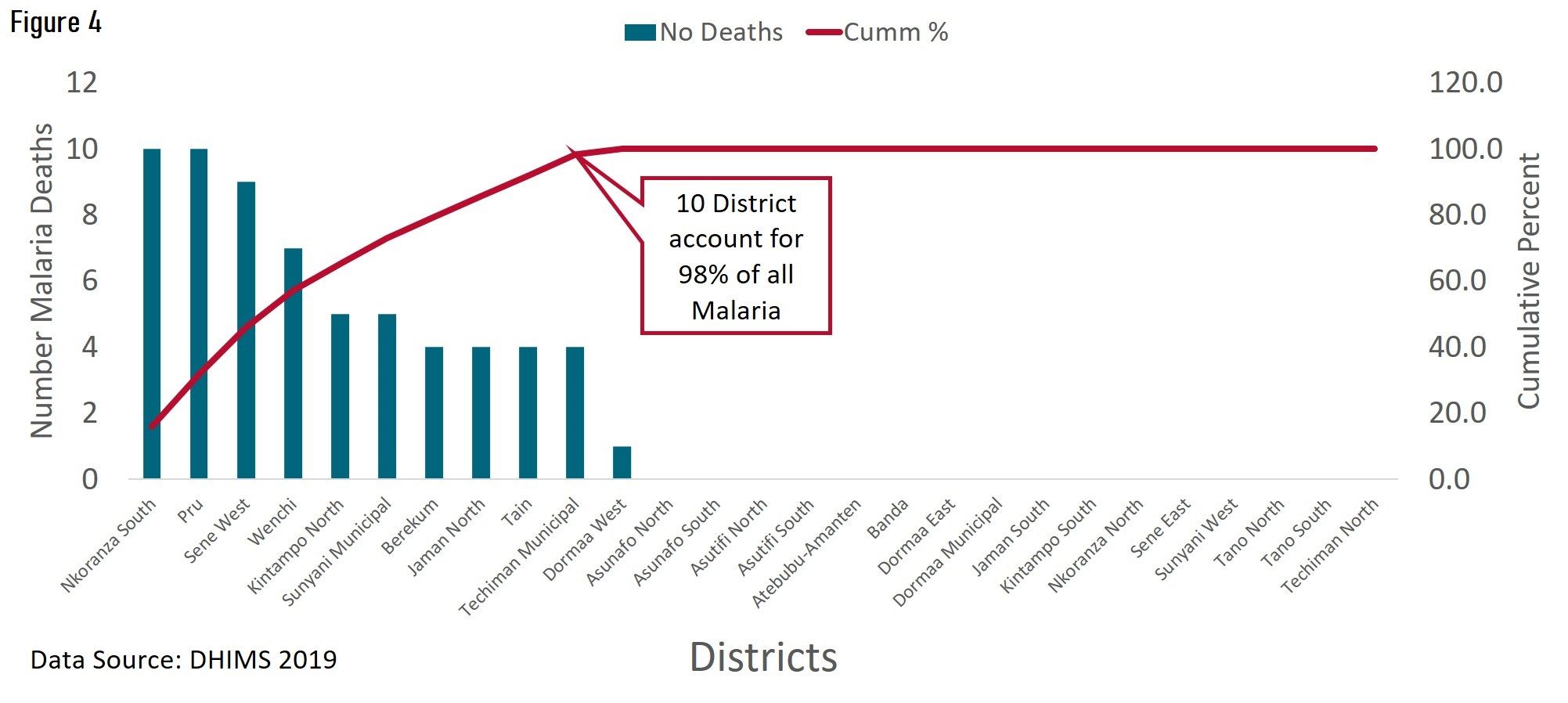
Districts with high burden malaria mortality and morbidity were ranked using a Pareto chart. Districts with CFRs above the regional average were also identified.
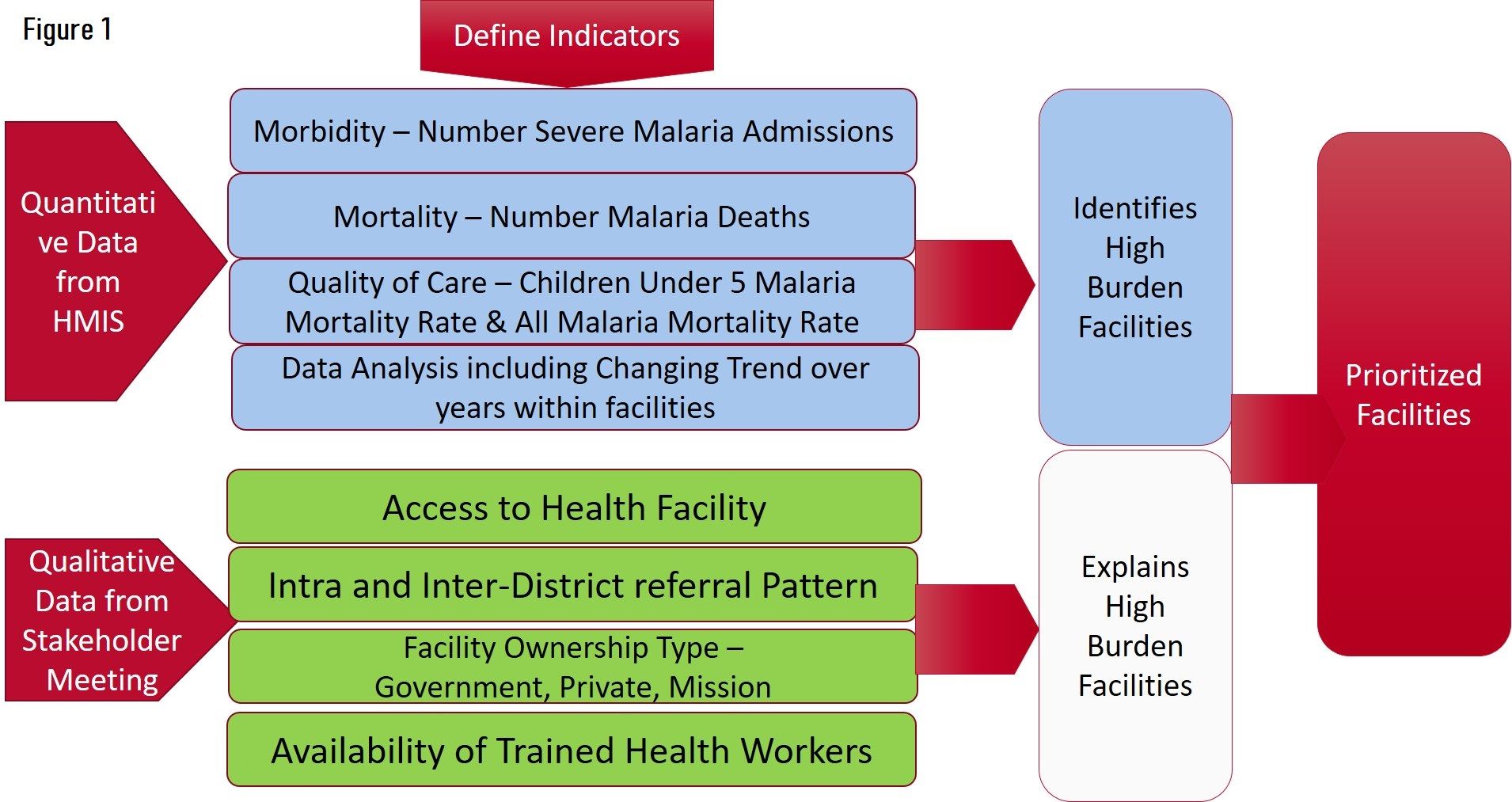
Assessed qualitative data including facility referral patterns, access, and ownership (government, faith-based, private) to explain the observed findings.  Information used by Regional health management teams to prioritize districts and facilities for additional malaria case management training focusing on assessment, treatment and management of complications, effective monitoring and using quality improvement methods to identify change ideas to test to improve malaria case management. Figure 1 shows the Scheme of approach to prioritizing facilities for Intervention.

Analysis of Routine HMIS data for FY-2018 reveals 37 Districts accounted for 33.9% of all districts in the 5 IM Target Regions & 14.2% all Districts in Ghana. There were 183 Malaria Deaths. Fiudings also observed that 90.1% all Malaria deaths in 5 IM Target Regions, and 39.1% of all Malaria deaths in Ghana
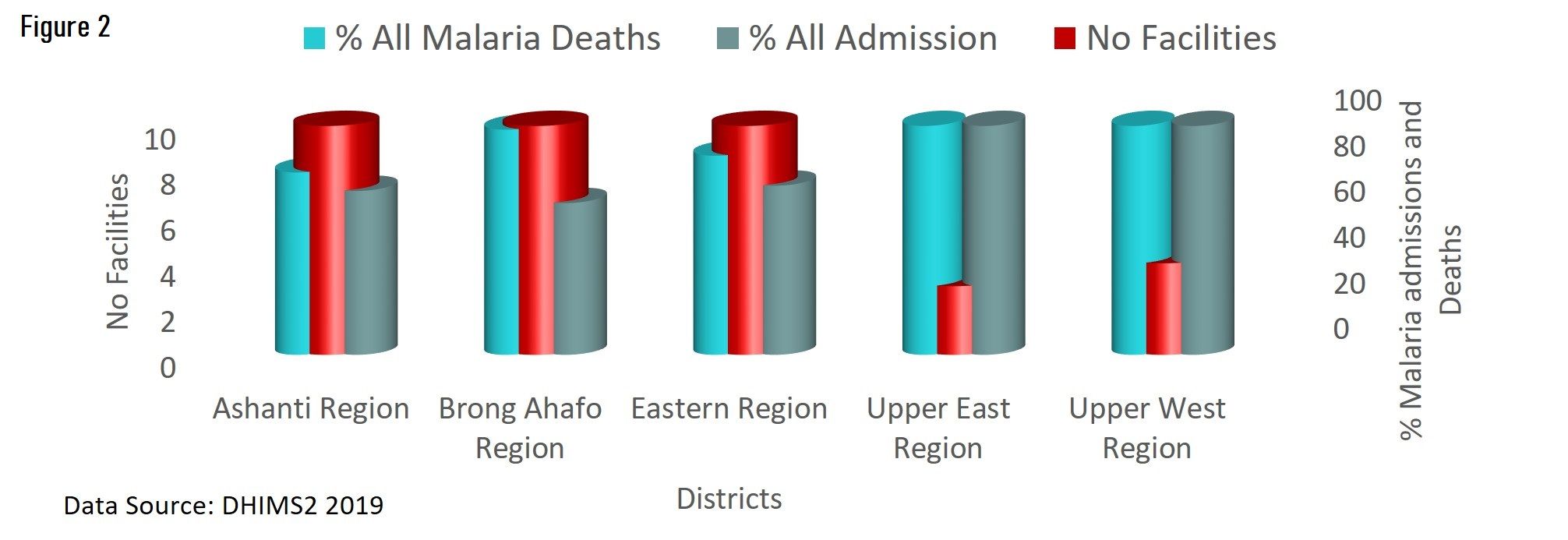
A number of districts had child case fatality rates above the regional average. The Districts with under-5 malaria CFR above the regional average were Ashanti Region (AR) – 31%, , Brong Ahafo Region (BAR) – 28%, Eastern Region (ER) – 31% , Upper East Region(UER) – 15% and Upper West Region (UWR) – 27%. Figure 2 shows the Proportion of Malaria Admissions And Mortality Attributable to TOP 10 Facilities In Target Regions – FY-19
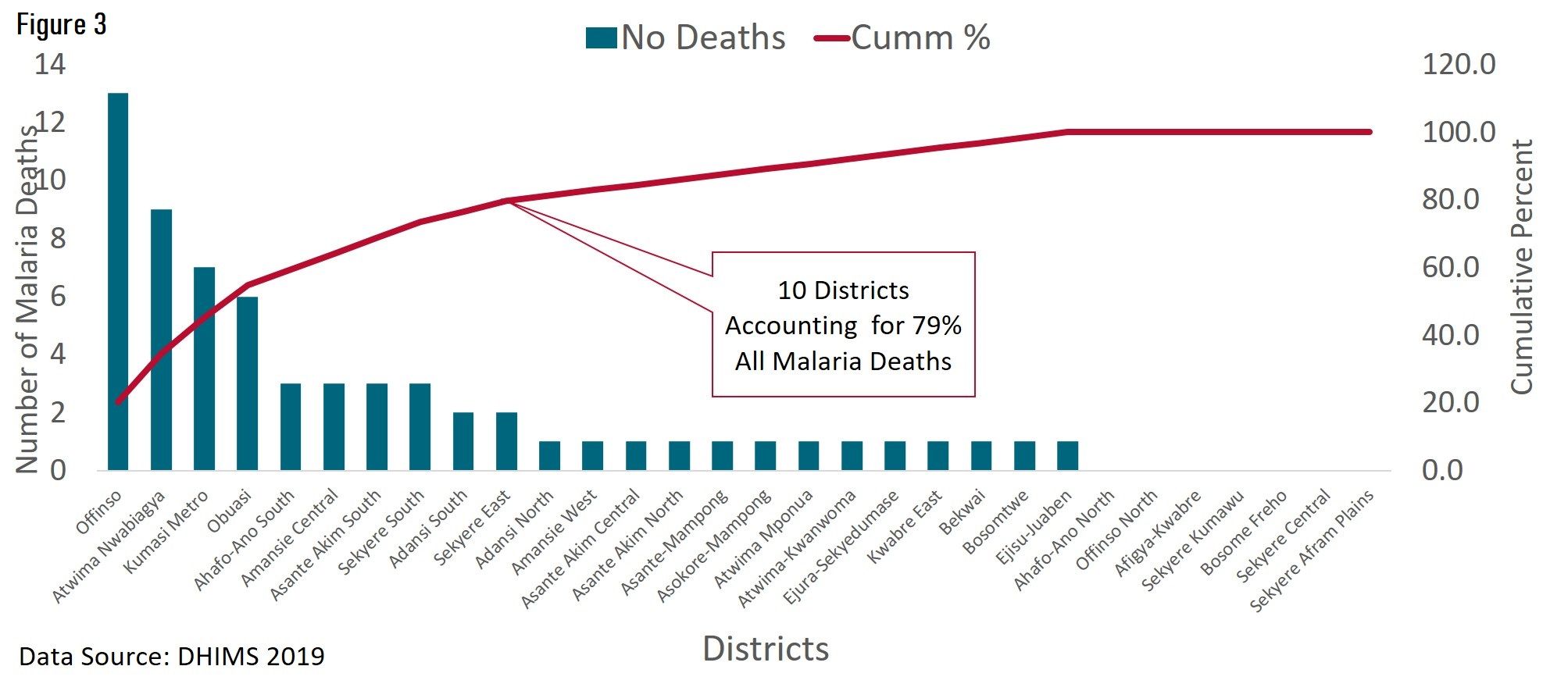
The result of selecting districts and facilities using Pareto Charts is seen in Figures 3 and 4. Figure 3 sows the  Distribution of Malaria Deaths in Districts in Ashanti Region, Ghana, FY-2018, and Figure 4 presents the Distribution of Malaria Deaths in Districts in Brong-Ahafo Region, Ghana, FY-2018.
In conclusion, using routine DHMIS2 data backed by qualitative information including access to health facilities, referral patterns and facility ownership, a rational replicable basis for the prioritization of districts and facilities for intervention can be created and facilities prioritized for training based on evidence.

Regional Health Management teams have adopted a rational approach for prioritizing health facilities for intervention with limited resources with the objective of achieving the best outcome.

Diagnosis &Learning/Training &Microscopy Bill Brieger | 22 Nov 2019

Intensive Malaria Microscopy Training in Rwanda

Noella Umulisa, Veneranda Umubyeyi, Tharcisse Munyaneza, Ruzindana Emmanuel, Aline Uwimana, Stephen Mutwiwa, and Aimable Mbituyumuremyi presented “Assessment of Competence of Participants Before and After 6-day Intensive Malaria Microscopy Training in Rwanda” at the 68th Annual Meeting of the American Society of Tropical Medicines and Hygiene. (Affiliations: Maternal and Child Survival Program/Jhpiego, Malaria and Other Parasitic Diseases Division [Mal & OPDD], National Reference Laboratory, Rwanda Biomedical Centre [RBC]). Their findings are shared below.

WHO recommends prompt malaria diagnosis either by microscopy or malaria rapid diagnostic test (RDT) in all patients with suspected malaria before treatment is administered. Light Microscopy remains the mainstay of malaria diagnosis, allows the identification of different malaria-causing parasites (P. falciparum, P. vivax, P. malariae and P. ovale). It is estimated that a diagnostic test with 95% sensitivity and 95% specificity requiring minimal infrastructure would avert more than 100,000 deaths and about 400 million unnecessary treatments. Frequent delays occur since conventional microscopy methods are labour intensive, require skilled manpower and time

Sufficient training of laboratory staff is paramount for the correct microscopy diagnosis of malaria. In Rwanda, P. falciparum is by far the most common contributing 97-99% of the parasite population, followed by P. ovale with 0.5-2% and followed by P. malariae 0.5–1% as mono-infection.

Rwanda has 8 referral hospitals, 4 provincial hospitals, 36 district hospitals, 504 health centers, 818 health posts and 30,000 CHWs able to perform malaria diagnostics. Each of these health facilities has a laboratory able to perform malaria microscopy with at least 1 trained lab technician and 1 functioning microscope.

In May 2018, the Rwanda Biomedical Center and partners trained 1 lab technician per health center from 6 poor performing districts in malaria microscopy. The main objective was to evaluate the performance of laboratory technicians in detecting and quantifying malaria parasites from 75 health facilities within 6 districts in Rwanda. Information was collected at two points in time.

In Month 1 there were a Pre-Test for Theoretical and practical evaluation, a Practical session, Slides preparation practice, and detection of parasite’s density and species. This was followed by the Post-Test, again a Theoretical and practical evaluation

In Month 4 Post training follow up was conducted with 35 randomly selected trained lab technicians after 4 months. Observation of technicians’ Conduct visual inspection and maneuvers used in routine malaria diagnosis was done. Their ability to Detect parasites on a standardized pre-validated slide panel of five slides was determined. during this 4 Months Post-Training Species Detection Performance, P. Falciparum was identified correctly more often than P. ovale or P. malariae.

The attached charts show the results of training. During the training 75 technicians from 75 health centers in 6 districts were trained from May 28th–June 18th, 2018. 53% of the trained lab technicians were female and 47% male.

Correct Parasite Density was slightly higher just after training. Classic training improved the performance of lab technicians in parasite’s density from 53% to 87% immediately after training.

After 4 months of training, P. falciparum and P. ovalae were correctly detected by 93% and 79% of lab technicians, respectively. Also, after 4 months of training, P. malariae was detected only by 68% of evaluated lab technicians. Training: Sensitivity (99%) and specificity (85%) remain high. Performance of lab technicians assessed using standardized pre-validated slide panel as gold standard after >4 months

Trainings of lab technicians improves performance on malaria parasites density and species detection. P. falciparum is the most well detected species followed by P. ovale . The detection rate for P. malariae was the lowest, this can be explained by the fact is not often seen in Rwanda. Participants had high sensitivity and specificity in the detection of malaria parasites.

Continuous capacity building for lab staff is needed to ensure accurate malaria laboratory diagnosis for appropriate treatment. Malaria microscopy diagnosis quality control/assurance activities from central and district level to health center level should be strengthen for continuous capacity building of lab technicians

Acknowledgements: This poster was made possible by the generous support of the American people through the United States Agency for International Development (USAID), under the terms of the Cooperative Agreement AID-OAA-A-14-00028. The contents are the responsibility of the Maternal and Child Survival Program and do not necessarily reflect the views of USAID or the United States Government.

CHW Bill Brieger | 21 Nov 2019

Evaluation of the Contribution of Community Health Workers (CHWs) in improving Health Facility Attendance

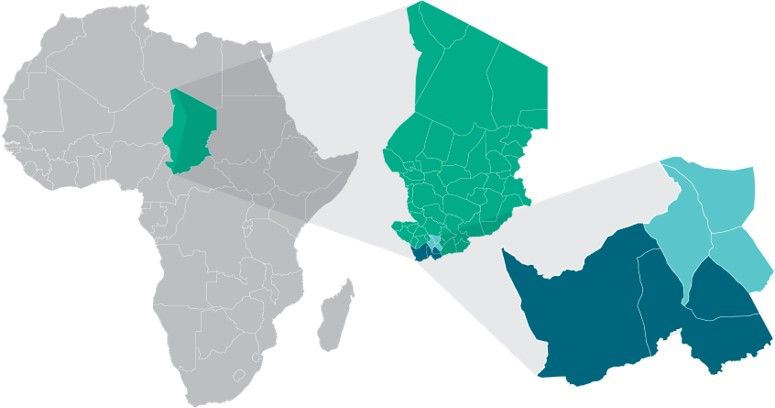
The following colleagues addressed the role of Community Health Workers in promoting antenatal care in Chad: Naibei Mbaïbardoum, Ali Soumaine Baggar, Djimodoum Moyreou, Mamadjibeye Joseline, Noella Umulisa, Elana Dhuse, and Kodjo Morgah.  (Affiliation: Improving the Quality of Malaria Control Services in Chad and Cameroon program/Jhpiego, and the Provincial Health Delegation of the Logone Oriental Region, Chad). Their work entitled “Evaluation of the Contribution of Community Health Workers (CHWs) in improving Health Facility Attendance, particularly for timely ANC attendance and IPTp services, in six districts in the Provincial Health Delegation of the Logone Oriental Region in Chad” was a poster presentation at the 68th Annual meeting of the American Society of Tropical Medicine and Hygiene.

Malaria in Chad

Malaria in pregnancy causes up to 10,000 maternal deaths each year and contributes to high rates of maternal morbidity especially in first-time mothers Malaria is a leading cause of morbidity and mortality in Chad with ~2.2 million cases of malaria occur every year in Chad. In 2017, Chad national data revealed that malaria represented 36% of outpatient consultations and 30.8% hospitalization cases. Incidence of malaria in the Logone Oriental is 122/1000.

Malaria related death rate among pregnant women decreased from 11.1% in 2013 to 4.3% in 2017. In 2017, the coverage for the first dose of intermittent preventive treatment (IPTp1) was 81%, while IPTp3 and IPTp4 were only 29% and 9%, respectively .

Community Health Strategy in Chad

Chad introduced community health interventions in 2014. Malaria community interventions consist of promoting malaria prevention and raising awareness. Jhpiego introduced the CHW reference sheet as a tool that links the community with health facilities. Jhpiego trained CHWs and their supervisors on how to use the forms in referral and counter-referral within the community.

The “Improving the Quality of Malaria Control Services in Chad and Cameroon” project, implemented by Jhpiego, has trained, equipped and supported 109 community health workers in the Logone Oriental region To improve health facility attendance by the population, starting in April 2017, 77 of the 88 trained CHWs referred suspected cases of malaria and pregnant women for ANC/IPTp services using referral and counter-referral forms.

The objective of the evaluation is to assess the contribution of the CHWs in the improvement of health facility attendance particularly for timely ANC and IPTp services, using community-based referrals.

The Evaluation/Study question was “What is the contribution of CHWs in increasing community access to preventative care treatment for malaria, especially among pregnant women and children under five?” From Feb-Mar 2019, Jhpiego conducted a records review of the following  tools:

  • Facility Reporting forms
  • Referral forms and counter-referral forms
  • Registers of ANC and other consultation visits
  • CHW supervision reports conducted by supervisors in health centers

The referrals of 72 CHWs in six districts In Logone Oriental region were reviewed for the period of Jan-Dec 2018. There were 72 CHWs.

Cases referred to health centers. In total, 1153 persons were referred by the CHW. 59.9% (691/1153) of those referrals arrived at the health centers. Pregnant women referred for ANC/IPTp services were the group who reached health centers at the highest rate, followed by children under 5.

Conclusions and Recommendations

Findings of this evaluation show that CHWs could play a significant role in improving health facility attendance, increasing ANC/IPTp compliance at health centers in six districts in the Logone Oriental region. So far, this finding has made the following possible:

  • Review the mapping of CHWs to redefine the population to be covered
  • Update all CHW tools (registers, supervision grids, report cards)
  • Make orientation maps for the pregnant woman

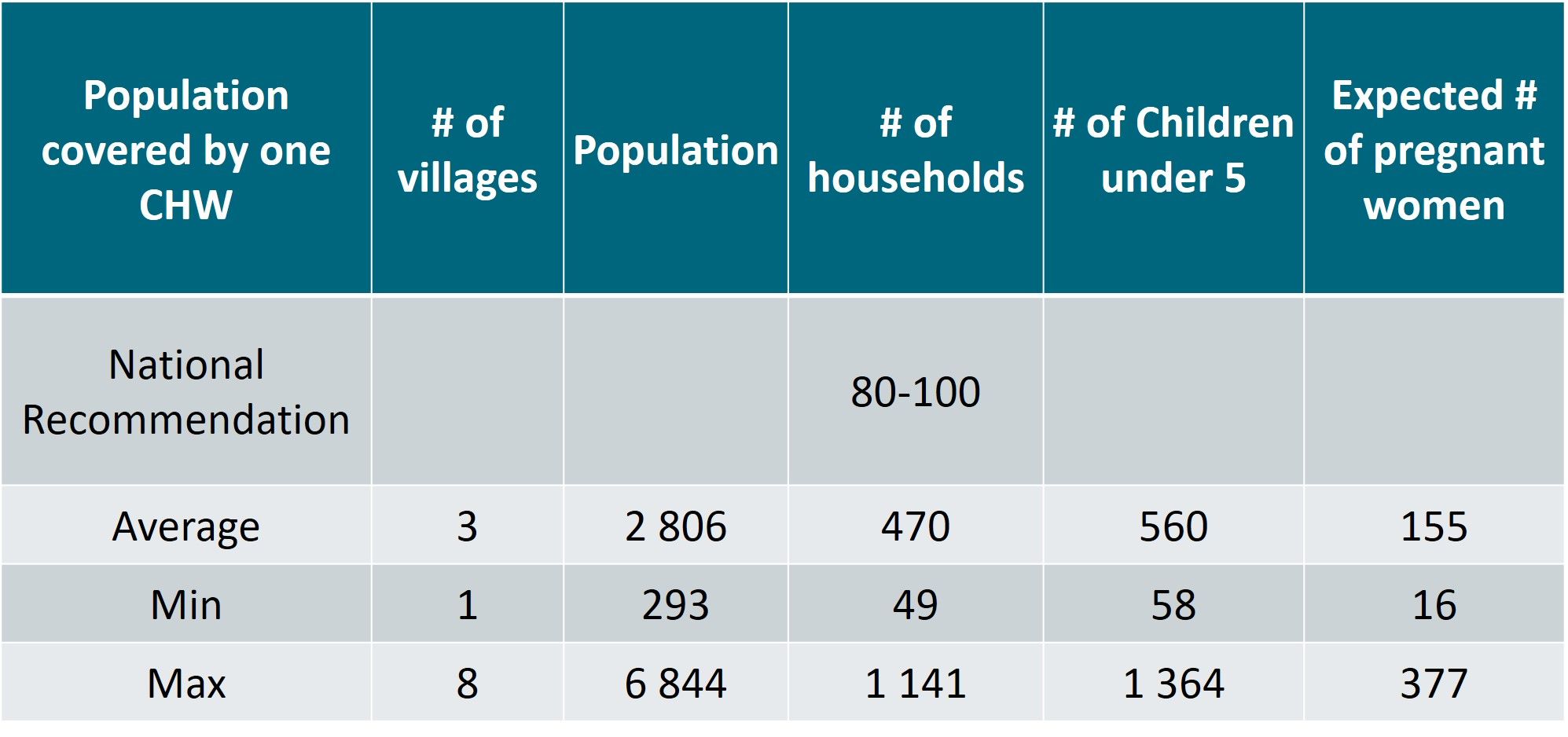
One of the major challenges to scaling up the use of CHWs in strengthening linkages between community-level interventions and facility services is the size and geographical scope of the population covered by CHWs. CHW registers and reference sheets are not consistently completed as required, and supervisors do not always check on this

Re-mapping of CHWs is needed following national norms to include Number of villages, households, pregnant women to be covered by CHWs. An Increase the number of CHWs is also required with a focus on recruiting female CHWs to improve communication among women that encourages ANC attendance. The health services should strengthen existing supportive supervision system from health centers to CHWs to ensure that registers and reference sheets are consistently completed, leading to better delivery of services.

This work was supported by the had Ministry of Health, ExxonMobil Foundation, Esso and Jhpiego.

Case Management &Health Workers &Supervision Bill Brieger | 21 Nov 2019

The Effect of Optimized Supportive Supervision on Improved Quality of Malaria Services in Liberia

Colleagues from USAID’s Flagship Maternal and Child Survival Program are presenting poster 415 at the 68th Annual Meeting of the American Society of Tropical Medicine and Hygiene. They include Lauretta N. Se, MPH; George Toe Jr., MPH; Anne Fiedler, MPH;  Thomas Hallie; Mantue Reeves, MSc; Birhanu Getahun, MD, MPH; Lolade Oseni, MD, MPH; Gladys Tetteh, MD, MPH. They have shared key points from their presentation below.

Background

Malaria prevalence in children <5 years is 45% (LMIS, 2016), with regional variations with the highest in South-Eastern regions of the country (69%). Malaria accounts for about 42 % of all clinical consultations (2013 Liberia health facility survey).

The U.S. President’s Malaria Initiative (PMI) has been committed to supporting the MOH strategy since 2008 when it began working in three out of fifteen malaria-affected counties. PMI prioritizes support to CHTs in their responsibility of directly managing the local health systems and providing oversight for efficient malaria service delivery.

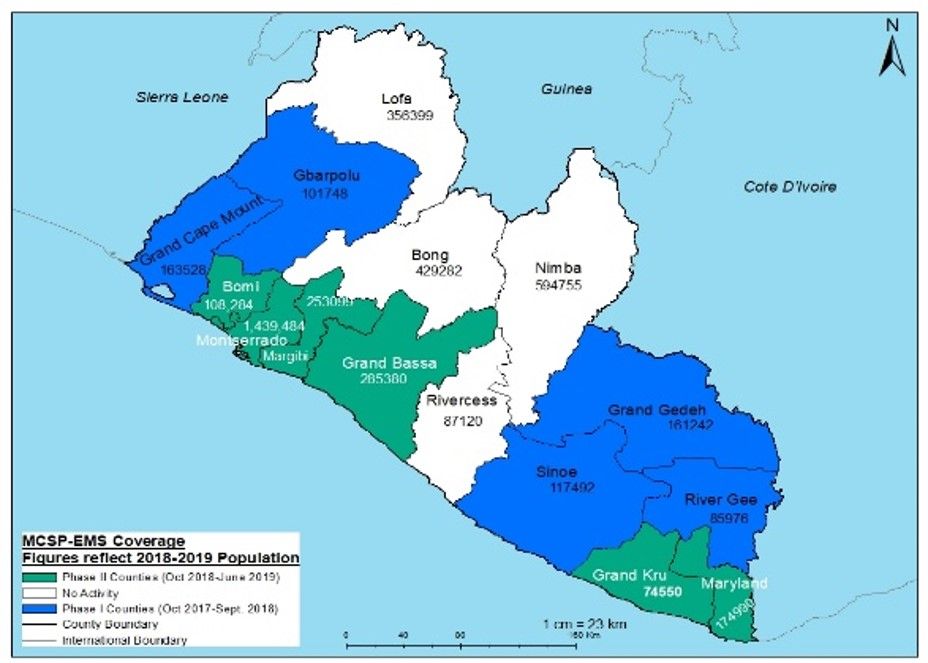
In 2017 and 2018 PMI through the MCSP/EMS project expanded support to 11 counties (5 phase 1 and 6 phase II) in Liberia, focusing on malaria case management and malaria in pregnancy interventions. To improve the quality of malaria services in Liberia, MCSP/EMS in collaboration with CHT implemented optimized supportive supervision of health workers.

Methodology

At the beginning of each phase (2017 and 2018), MCSP/EMS conducted an organizational capacity assessment of the CHTs/DHTs. One key gap identified was the inconsistent and low quality of the supportive supervision of health facilities by ALL levels of the health system. Expected supervision schedules are:

  • National level (25% of HFs , semi-annually)
  • County level (75% of HFs , quarterly)
  • District level (100% of HFs, monthly)

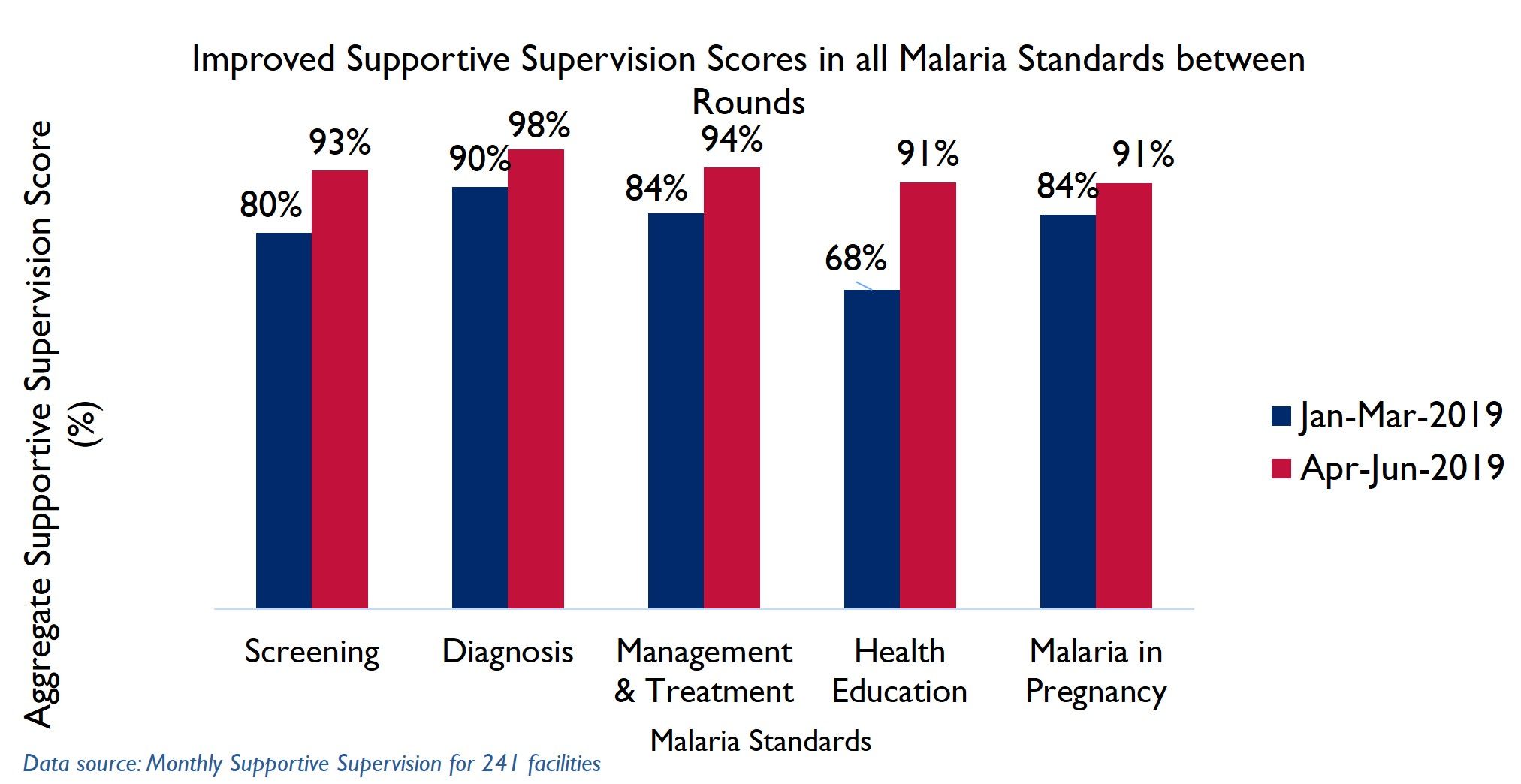
MCSP/EMS worked with Ministry of Health supervisors to employ  an optimized supportive supervision program for facility health workers using the updated Joint Integrated Supportive Supervision Tool. The tool has five malaria standards:

  1. Screening (with 5 verification criteria)
  2. Diagnosis (with 3 verification criteria)
  3. Management and Treatment (with 4 verification criteria)
  4. Health Education (with 2 verification criteria)
  5. Malaria in Pregnancy (with 6 verification criteria)

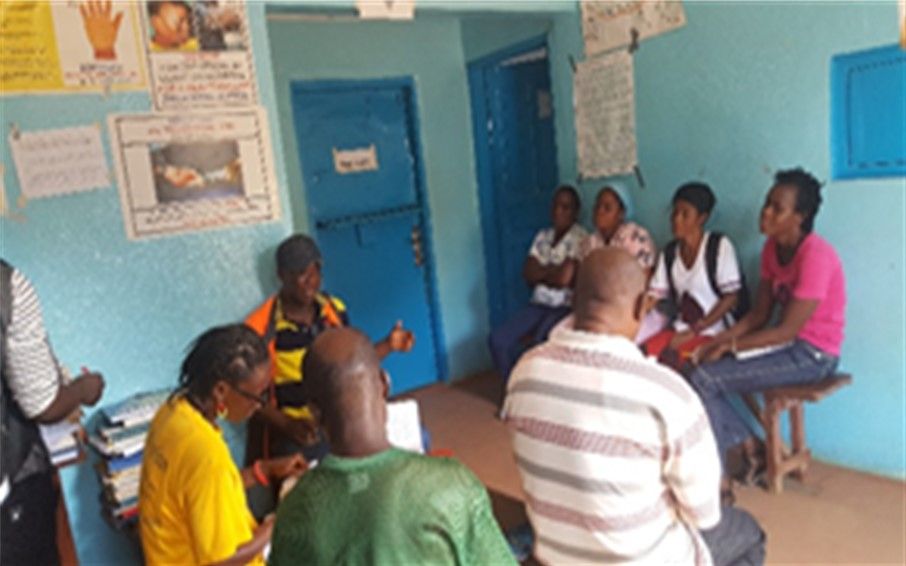
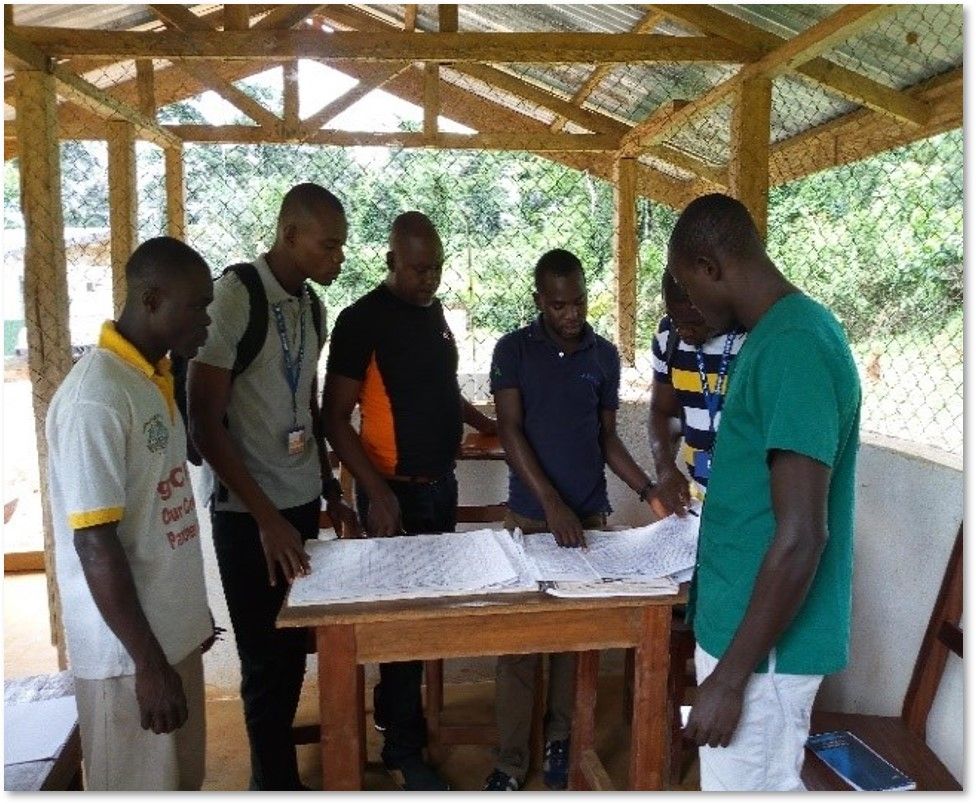
The assessment team provided prior information to the facility staff about the supervision visit during the entry meetings. The supervision team consisted of  county, district health team supervisors and MCSP/EMS staff. During the supervision the  assessment of malaria standards was done using direct observation, record reviews, and simulation,  after which each standard was scored.

JISS: Process and Benefits

The ultimate goal of supportive supervision is to improve the quality of health services provided at the health facility. During each supervision visit, supervisors:

  • Provided on-the-job training, mentoring and coaching on identified gaps
  • Reinforced the review of data and its use for program improvement
  • Developed an action plan from gaps identified and discussed remedial actions through follow-up
  • Initiated subsequent supervision visits based on previous action plans

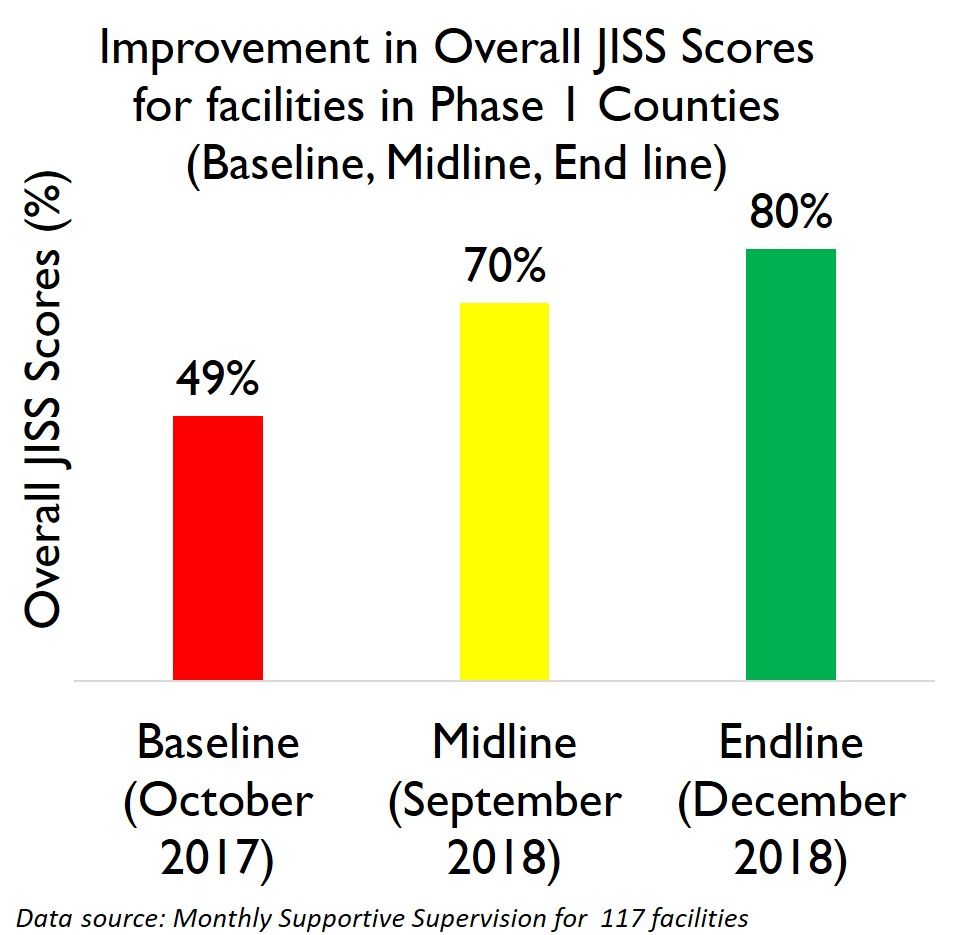
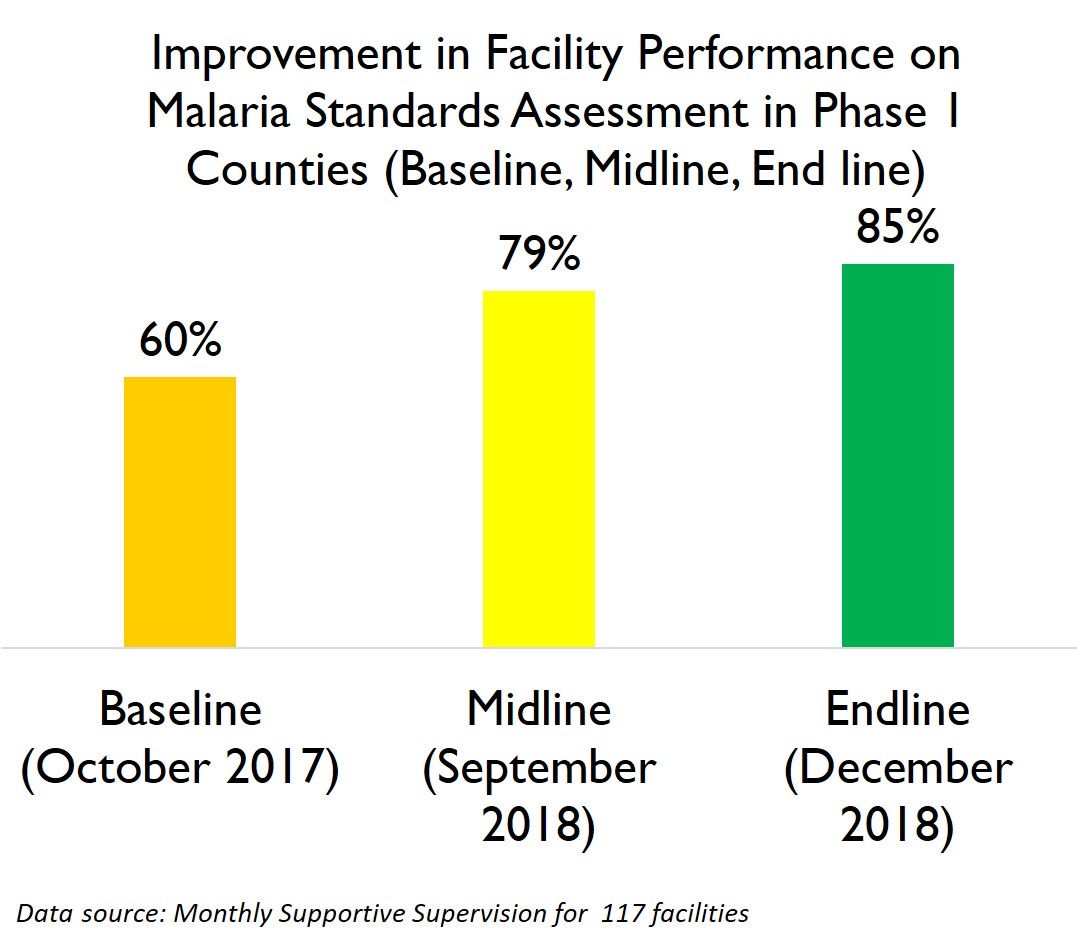
The Improved Performance on Joint Integrated Supportive Supervision (JISS) and Malaria Standards Assessment at 117 health facilities in the 5 Phase 1 Counties is seen in the attached charts.

Lessons and Conclusions

Training of district and county supervisors in the updated JISS tool improved the quality of supervision and data. Provision of updated MIP and case management guidelines to  both facility staff and supervisors, coupled with training,  improved adherence to standards Action plans developed during supervision visits helped facilities track their own progress and  instill sustained ownership of data and solutions Providing the county and district supervisors the opportunity to lead the supportive supervision planning and execution promoted leadership and ownership among these leaders.

The optimized supportive supervision and mentoring visits fostered health worker adherence to malaria protocols thereby contributing to measurable improvements in meeting and sustaining malaria standards and compliance. MCSP is sharing the lessons learned in fostering quality improvement from targeted supportive supervision of health care workers to scale up and improve the quality of malaria services delivery in Liberia.

Challenges and Recommendations

Most of the county and districts supervisors who were part of the JISS team had not been trained on the revised JISS tools in the EMS supported counties before the start of the project. Supportive supervision is greatly hampered by inadequate and untimely budgetary allocations by the Government of Liberia to the counties, which results in infrequent supervisory visits to the facilities and affects the quality
of services.

Empowerment of DHT and CHT supervisors: To implement optimized and effective supportive supervision to health facilities, DHTs/CHTs need to be equipped with updated tools,  provided mentoring and coaching skills, and timely provision of financial and logistical support. There is need for regular targeted and timely mentoring and coaching of  facility staff to improve adherence standards.

—–

This poster was made possible by the generous support of the American people through the United States Agency for International Development (USAID) under Cooperative Agreement No. AID-624-A-13-00010 and the President’s Malaria Initiative (PMI).
The contents are the responsibility of the authors and do not necessarily reflect the views of USAID, PMI or the United States Government.

Epidemiology &History &Migration &Mosquitoes &Plasmodium/Parasite Bill Brieger | 12 Oct 2019

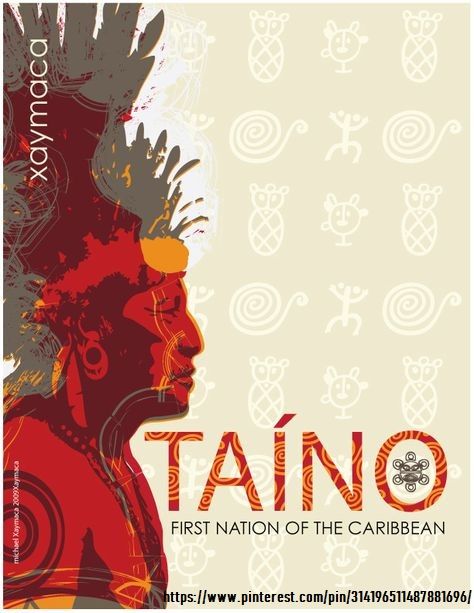
What to Observe on October 12th? Malaria’s Arrival in the Americas

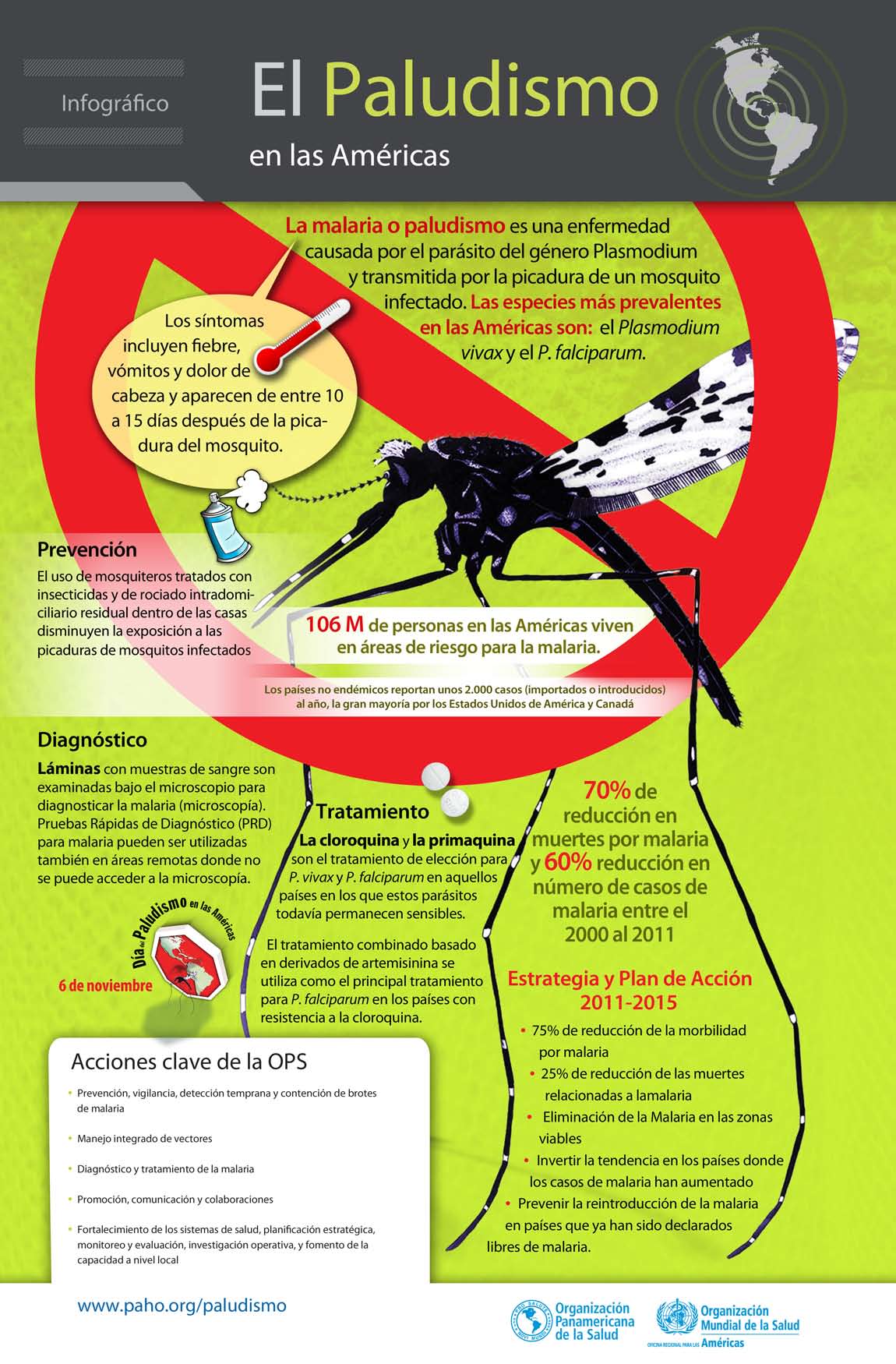
Controversy exists about what historical event should be observed in the USA on 12th October. Ernest Faust explained many years ago that, “there is neither direct nor indirect evidence that the malaria parasites existed on this continent prior to the advent of the European conquerors,” while at the same time in the 16th through 18th Centuries, malaria was common in England, Spain, France, Portugal and other European nations that arrived in the “New World.” Initially, with the first voyage of Columbus the European explorers and settlers brought the disease, primarily Plasmodium vivax, while the slave trade brought P. falciparum.

National Geographic in its May 2007 issue provided the story “Jamestown, The Real Story.” This article reported that, “Colonists carried the plasmodium parasite to Virginia in their blood. Mosquitoes along the Chesapeake were ‘infected’ by the settlers and spread the parasite to other humans.” Thus malaria became one of many imported diseases that decimated the indigenous population. The spread of P. vivax in Jamestown was not surprising since the settlement was “located on marshy ground where mosquitoes flourished during the summer.”

Recent research has shown that the “Analysis of genetic material extracted showed that the American P. falciparum parasite is a close cousin of its African counterpart.” This research has documented two genetic groups in Latin America, related to two distinct slave routes run by the Spanish empire in the North, West Indies, Mexico and Colombia and the Portuguese empire to Brazil. Indigenous and remote rural populations of Bolivia, Colombia, Ecuador, Peru, Venezuela and Brazil remain at risk today.

In the South American continent the  native American population might have brought Melanesian strains of P. vivax before the Europeans arrived, but colonizers brought new strains from both Europe and Africa, as well as P. falciparum. Clearly, human migration has played an important role in malaria parasite dissemination through the Americas.

But back to the North American Continent where the USA is observing the historical implications of 12th October, Mark Blackmore reminds us that, “Anthropological and archeological data provide no indication of mosquito-borne diseases among the indigenous people of North America prior to contact with Europeans and Africans beginning in the fifteenth century” (Wing Beats Volume 25 Winter 2015). The spread of malaria by European colonizers is certainly not something to celebrate today.

Asymptomatic &Elimination &Eradication &Monkeys &Mosquitoes &Resistance &Vaccine Bill Brieger | 23 Aug 2019

Biology and Malaria Eradication: Are there Barriers?

During a press conference prior to the release of the executive summary of 3-year study of trends and future projections for the factors and determinants that underpin malaria by its Strategic Advisory Group on Malaria Eradication (SAGme), WHO outlined some hopeful signs emanating from the SAGme including

  1. Lack of biological barriers to malaria eradication
  2. Recognition of the massive social and economic benefits that would provide a return on investment in eradication, and
  3. Megatrends in the areas of factors such as land use, climate, migration, urbanization that could inhibit malaria transmission

Concerning the first point, the executive summary notes that, “We did not identify biological or environmental barriers to malaria eradication. In addition, our review of models accounting for a variety of global trends in the human and biophysical environment over the next three decades suggest that the world of the future will have much less malaria to contend with.”

The group did agree that, “using current tools, we will still have 11 million cases of malaria in Africa in 2050.” So one wonders whether there are biological barriers or not.

Interestingly the group did identify, “Potential biological threats to malaria eradication include development of insecticide and antimalarial drug resistance, vector population dynamics and altered vector behaviour. For example, Anopheles vectors might adapt to breeding in polluted water, and mosquito vector species newly introduced to Africa, such as Anopheles stephensi, could spread more widely into urban settings.”

This discussion harkens back to an important conceptual article by Bruce Aylward and colleagues that raised the question in the American Journal of Public Health, “When Is a Disease Eradicable?” They outlined three important criteria that had been proposed at two international conferences in 1997 and 1998.

  1. biological and technical feasibility
  2. costs and benefits, and
  3. societal and political considerations

Their further expansion on the biological issues using smallpox as an example is instructive. They noted that not only are humans essential for the life cycle of the organism, but that there was no other reservoir for the causative virus, and the virus could not amplify in the environment. In short, there were no vectors, as in the case of malaria. The relatively recent documentation of transmission of malaria between humans and other primates of different plasmodium species is another biological concern. At this point, Malaysia, for example, is reporting more cases of Plasmodium knowlesi in humans that either P vivax or P falciparum.

Another biological issue identified by Aylward and colleagues was the fact that smallpox had one effective and proven intervention, the vaccine. Application of the vaccine could be targeted using photograph disease recognition cards as the signs were quite specific to the disease. Malaria has several effective interventions, but most strategies emphasize the importance of using a combination of these, and implementation is met with a number of management and logistical challenges. The signs and symptoms of malaria are confused with a number of febrile illnesses.

Finally, two other issues raised concern. Insecticide resistance was recognized in the first malaria eradication effort, and is raising its head again, as pointed out by SAGme. Comparing smallpox and yaws, the challenge of latent or sub-clinical/asymptomatic infection was mentioned. Malaria too, is beleaguered with this problem.

Clearly, we must not lose momentum in the marathon (not a race) to eliminate malaria, but we must, as WHO stressed at the press conference, increase our research and development efforts to strengthen existing tools and develop new once to address the biological and logistical challenges.

Cholera &Vaccine Bill Brieger | 19 Aug 2019

Doubling a Cholera Response: Applying a single-dose OCV strategy to outbreak control in South Sudan

As part of the course on Social and Behavioral Foundations in Primary Health Care, Rebecca Huebsch posted in the class blog. We have shared these thoughts below.

Untitled

91,000 people die from cholera every year. Cholera is a burden which is carried by some of the poorest and most vulnerable people in the world. This disease, which puts about 1.4 billion people at risk annually, is most predominant in low-income nations. One of these nations is South Sudan. Since its independence in 2011, South Sudan has been plagued by ongoing conflict, displacements, poverty, and disease outbreaks. In South Sudan’s most recent cholera outbreak, there were already 20,000 cases before the outbreak could be brought under control.download

Controlling a cholera outbreak requires a combination of approaches; water and sanitation, hygiene promotion, case management, and reactive vaccination campaigns. The oral cholera vaccine (OCV) revolutionized cholera responses and made it possible protect people from this dangerous disease. OCV campaigns are still incredibly resource intense and traditionally target each person with 2-doses of the vaccine. In places like South Sudan, even reaching these people once is difficult, finding them a second time requires a great deal of motivation, resources, and creativity. In the rainy season, large swaths of South Sudan are flooded and become swamps. This is also the time of year that people are most at risk of cholera. A vaccination campaign requires vaccination teams to literally walk through the swamps for hours, or even days, to reach the affected areas.

Untitled.png

Fortunately, a more streamlined approach is possible, and has even been tested in emergency cholera responses in South Sudan. There is a growing body of evidence that supports a single-dose strategy for OCV campaigns. In settings where cholera is endemic, like South Sudan, a single dose of OCV can be as effective as 2 doses for controlling an outbreak. Adopting this strategy would allow the same amount of vaccine to protect double the amount of people. It would also save on the logistical costs of trying to reach each person twice. While a second dose of cholera vaccine makes sense for routine immunization programs because it provides prolonged coverage, it is costly and limiting to an emergency response. In a cholera outbreak, the State Ministries of Health may look to a single-dose strategy to more efficiently control the outbreak and protect their people.

Polio &Vaccine Bill Brieger | 19 Aug 2019

Recent Surge in Polio Cases in Pakistan Necessitates Urgent Review of Strategy

As part of the course on Social and Behavioral Foundations in Primary Health Care, Muhammad N Asghar posted in the class blog. We have shared these thoughts below.

polio 2Pakistan is one of the three polio endemic countries and recent surge in cases shows that eradication of the disease demands an urgent change in strategy. A look at previous five year cases in Pakistan shows a positive progress in reduction of new polio cases; from 307(2014) to 12(2018), but new cases still appeared in almost every province. The reasons behind this country wide presence of disease can be attributed to internal displacement due to conflicts, weak health systems and operational and resource risks. But the alarming increase in number of new polio cases during 2019 has reversed the whole progress made so far as the number of new cases as of today stands at 53. 32 out of 53 cases are reported from KPK region, which had observed massive internal displacement during last decade but the number of IDPs has decreased from last two years due to stability in the region.

screen-shot-2019-08-18-at-9.26.13-amThis recent surge in polio cases in the the province is mainly due to increase in vaccine refusals due to rumors regarding side effects caused by the vaccine on social media. Official sources reported that after rumors refusals to vaccinate increased by 85% in the province. But high number of cases in other provinces when compared with last year cases indicate that multiple factors are hindering the progress towards containment and eradication of the polio virus disease from the country, which can be attributed to homelessness and poor sanitation, operational issues for vaccine delivery, conflicts, cross border movement etc.

This situation demands urgent review of existing strategy for polio eradication as number of new cases are increasing rapidly. There is a need to work on multiple aspects to make the anti-polio drive successful; some key aspects include detailed geo-mapping of the population at basic level and identification of missed areas to ensure every child is vaccinated, involving community and religious leaders, NGOs, CSOs for confidence building and education of the community, expansion of partnership with nutrition, hygiene, water sectors, and robust rebuttal of rumors and strict action against those involved in such heinous activities etc. There is a new political government of helm, which is sensitive to the social sector issues and taking measures to provide homes, health facilities and education to the disadvantaged sections. International agencies (GPEI, WHO) shall coordinate with the political government to review the existing strategy for revamping it, so that not only the current surge can be contained but the disease can be eradicated from the country to achieve the target of polio free world.

polio

Borders &Ebola Bill Brieger | 18 Aug 2019

Ebola Crisis Takes a Turn: Increased US Intervention Necessary

As part of the course on Social and Behavioral Foundations in Primary Health Care, Allan Ciciriello posted in the class blog. We have shared his thoughts below.

Confirmed and probable Ebola virus disease cases by week of illness onset by Kivu region health zone. Data as of 13 August 2019

Historically, the 2018 – 2019 Ebola outbreak is the biggest the Democratic Republic of the Congo has ever seen. As a whole, it is also the second largest documented epidemic of the disease on record. The epicenter of the eruption is located in the Kivu region, which has also been in the midst of a conflict between the Congolese military and rebel groups, which has prevented necessary assistance from making its way into the country. Due to the decline of the situation over the past year, culminating with a confirmed case of Ebola in the capital city of Goma, the World Health Organization officially announced it as a Public Health Emergency of International Concern in July 2019.

The spread of the virus to bordering countries is a matter of great importance in the global health community. This includes the nations of Burundi, Rwanda, South Sudan, and Uganda. Given that Goma is a major transportation hub connecting these territories together, it is imperative that the transmission of Ebola be stopped quickly in the Kivu region.

Ebola virus disease in the Democratic Republic of the Congo – Operational readiness and preparedness in neighbouring countries
Recently, the World Health Organization has claimed the current funding is not enough to sustain response activities on a multi-national scale. The United States, who played a large role in the 2014 – 2015 outbreak of Ebola, has had limited participation this time around. This is largely due to the ability of the global health community to respond more adequately to the disease through large improvements in technical capabilities. Security factors with the military conflict have also prevented the United States from getting on the ground in the Democratic Republic of the Congo. However, due to recent changes in the situation, the Congolese government and the World Health Organization cannot efficiently resolve the epidemic without additional help from UN partners, most notably the United States.
‘We won’t get to zero cases of Ebola without a big scale-up in funding,’ UN relief chief warns

The United States must change its current policies on intervening in the Democratic Republic of the Congo Ebola outbreak. Most important is contributing additional funding to sustain the World Health Organization’s role in halting the spread of the virus within the current borders, while also supporting the surrounding nations’ prevention efforts. USAID is a critical source of backing in this ongoing battle, and without them it is likely to falter. I would also reconsider the hesitancy of placing United States government personnel on the frontlines, because as the problem gets more dire the harder it will be to act from within the country. The CDC is another key player in this game, and I would advise the US take advantage of the United Nations Organization Stabilization Mission in the Democratic Republic of the Condo’s (also known as MONUSCO) peacekeeping forces to get public health workers back on the frontline with guaranteed protection from rebel militias.

Borders &Diagnosis &Ebola &Elimination &Integrated Vector Management &ITNs &Mosquitoes &NTDs &Snakebite &Trachoma &Urban Bill Brieger | 04 Aug 2019

Tropical Health Update 2019-08-04: Ebola, Malaria Vectors, Snakebite and Trachoma

In the past week urban transmission in Goma, a city of at least 2 million inhabitants in eastern Democratic republic of Congo, was documented as a gold miner came home and infected his wife and child. To get a grip on the spread of the disease, DRC is considering another vaccine, not without some controversy. WHO provides detailed guidance on all aspects of response. On the malaria front we have learned more about malaria vectors, natural immunity and reactive case detection.

Ebola Challenges: Vaccines, Urban Transmission

The current Ebola vaccine being deployed to over 150,000 people in North Kivu and Ituri Provinces was itself an experimental intervention during 2016 when it was first used in the largest ever outbreak located in West Africa. BBC reports that, “World Health Organization (WHO) data show the Merck vaccine has a 97.5% efficacy rate for those who are immunised, compared to those who are not.”

The proposed addition of a Johnson and Johnson vaccine would be in that same experimental phase if introduced in DRC now. It has been proven safe as well as effective in other primates. The challenge is that even though the Merck vaccine supplies are near 500,000, this is not enough to cover the potential needs in an area with over 10 million people, although Merck is still producing more. At present, BBC says, “Those pushing for the use of the new Johnson & Johnson vaccine, had proposed using it to create a protective wall, vaccinating people outside the outbreak zone.” In addition, the new national response team is concerned that “Only about 50% of cases of Ebola in the Democratic Republic of Congo are being identified.”

Finally, there is the issue of community mistrust of government workers and challenging logistics. “There are also concerns that the new vaccine – which requires two injections 56 days apart – may be difficult to administer in a region where the population is highly mobile, and insecurity is rife.”

If efforts at vaccination are needed soon in Goma, up to 2 million doses might be needed. Reuters reports that, “Congolese authorities were racing to contain an Ebola epidemic on Thursday, after a gold miner with a large family contaminated several people in the east’s main city of Goma before dying of the hemorrhagic fever.” Readers may recall that the West Africa outbreak of 2014-16 in Guinea, Sierra Leone and Liberia accelerated greatly after infected people went to major cities in search of help.

The miner is the second ‘imported case into Goma, which borders Rwanda, but because his family lives there, he has already infected his wife and one of his 10 children. Contacts are being traced and monitored, but this urban and border threat is one of the factors that led WHO to finally declare the current outbreak a public health emergency.

Malaria

As we move toward malaria elimination Reactive Case Detection (RCD) has been proposed as an integral part of these efforts with the hopes that is can be conceived of as a way of gradually decreasing transmission, according to an article in Malaria Journal. In fact, the value of RCD may be limited as follows:

  • RCD alone can eliminate malaria in only a very limited range of settings, where transmission potential is very low
  • In other settings, it is likely to reduce disease burden and help maintain the disease-free state in the face of imported infections

Another article looks at “natural exposure to gametocytes that can result in the development of immunity against the gametocyte by the host as well as genetic diversity in the gametocyte.” The researchers learned that there can be variations in immune response depending on season and geography. This information is helpful in planning malaria elimination interventions.

On the vector front a baseline susceptibility testing was conducted in 16 countries in sub-Saharan Africa for neonicotinoids. “The target site of neonicotinoids represents a novel mode of action for vector control, meaning that cross-resistance through existing mechanisms is less likely.” The findings will help in the preparation for rollout of clothianidin formulations as part of national IRS rotation strategies by PMI and other partners.

Researchers also called on us to learn more about malaria vectors in other parts of the world. In order to eliminate Plasmodium falciparum from the Caribbean and Central America program planners should consider local vector characteristics such as An. albimanus. They found that, “House-screening and repellent IRS are potentially highly effective against An. albimanus if people are indoors during the evening.”

Vectors are also of concern on the edges of malaria transmission, particularly in South Africa, one of the ‘elimination eight’ countries of the Southern Africa Development Community. Researchers examined the, “potential role of Anopheles parensis and other Anopheles species in residual malaria transmission, using sentinel surveillance sites in the uMkhanyakude District of northern KwaZulu-Natal Province.” They found Anopheles parensis is a potential but minimal vector of malaria in South Africa “owing to its strong zoophilic tendency.” On the other hand, An. arabiensis was found to be the major vector responsible for residual malaria transmission in South Africa. Since these mosquitoes were found in outdoor-placed resting traps, interventions are needed to control outdoor-resting of vector populations.

NTDs of Concern

During the week, the member states of the African Union renewed their commitment to fight and permanently eliminate Neglected Tropical Diseases. Africa.com reported that, “Achievements to date include 1 billion people treated against at least one NTD and 37 countries have completed the removal of at least one NTD.”

Although some reports have discounted the idea of trachoma in Namibia, there may be reason to re-examine the situation. On Twitter Anthony Solomon notes that Namibia needs #trachoma prevalence surveys. A just-completed joint Ministry of Health & Social Services/@WHO mission found active trachoma & trichiasis in Zambezi & Kunene Regions.

The Times of India draws attention to snakebite. It says that “Under-reported and inadequately treated, fatalities in India are estimated at close to 50,000 a year, the world’s highest.”

Overall we can see that the concept of ‘neglect’ has several uses. There is neglect if half of Ebola cases are undetected. There is neglect if we do not understand malaria vectors in low transmission areas. Finally, there is neglect if we do not conduct up-to-date disease surveys to determine whether a disease is present or not. Elimination of tropical diseases is challenging when key processes are neglected.

« Previous PageNext Page »