Posts or Comments 22 April 2026

Antenatal Care (ANC) &IPTp Bill Brieger | 31 Oct 2022

Comparative analysis of facility and community distribution of intermittent preventive treatment of malaria in pregnancy
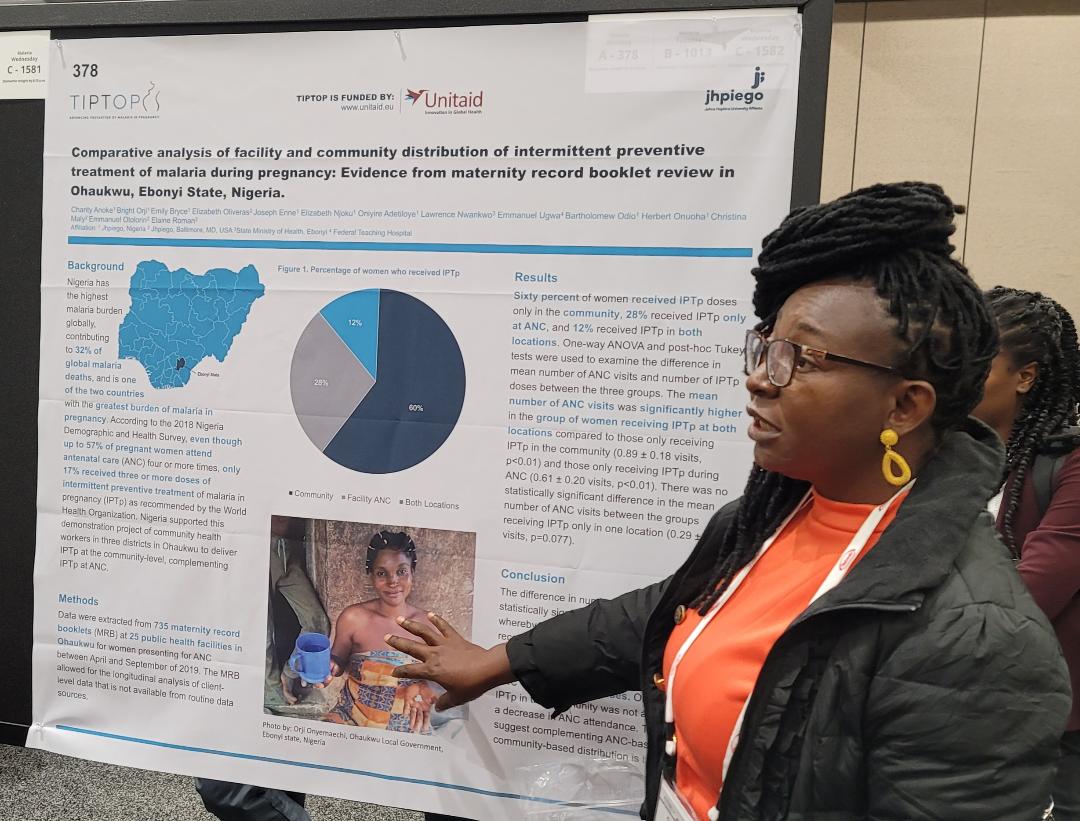
Charity Anoke, Bright Orji, Emily Bryce, Elizabeth Oliveras, Joseph Enne, Elizabeth Njoku, Lawrence Nwankwo, Emmanuel Ugwa, Bartholomew Odio, Herbert Onuoha, Christina Maly, Emmanuel Otolorin, Elaine Roman, and Oniyire Adetiloye are presenting a poster for the TiPToP project at the American Society of Tropical Medicine and Hygiene’s Annual Meeting in Seattle. Below is the evidence from maternity record booklets in Ohaukwu, Ebonyi State Nigeria.

Nigeria has the highest malaria burden globally, contributing to 31.9% of global malaria deaths, and is one of the two countries with the greatest burden of malaria during pregnancy. According to the 2018 Nigeria Demographic and Health Survey (DHS), even though up to 57% of pregnant women attend ANC four or more times, only 17% received three or more doses of IPTp as recommended by the WHO.

Nigeria supported this demonstration project of CHWs in delivering intermittent preventive treatment of malaria in pregnancy (IPTp) at the community-level, complementing IPTp at antenatal care (ANC) in three districts. Data were extracted from 735 maternity record booklets (MRB) at 25 public health facilities in Ohaukwu for women presenting for ANC between April and September of 2019. The MRB allowed for the longitudinal analysis of client-level data that is not available from routine data sources.

Sixty percent of women received IPTp doses only in the community, while 28% received IPTp only at ANC and 12% received IPTp in both locations. One-way ANOVA and post-hoc Tukey tests were used to examine the difference in mean number of ANC visits and number of IPTp doses between the three groups. The mean number of ANC visits was significantly higher in the group of women receiving IPTp at both locations compared to those only receiving IPTp in the community (0.89 ± 0.18 visits, p<0.01) and those only receiving IPTp during ANC (0.61 ± 0.20 visits, p<0.01).
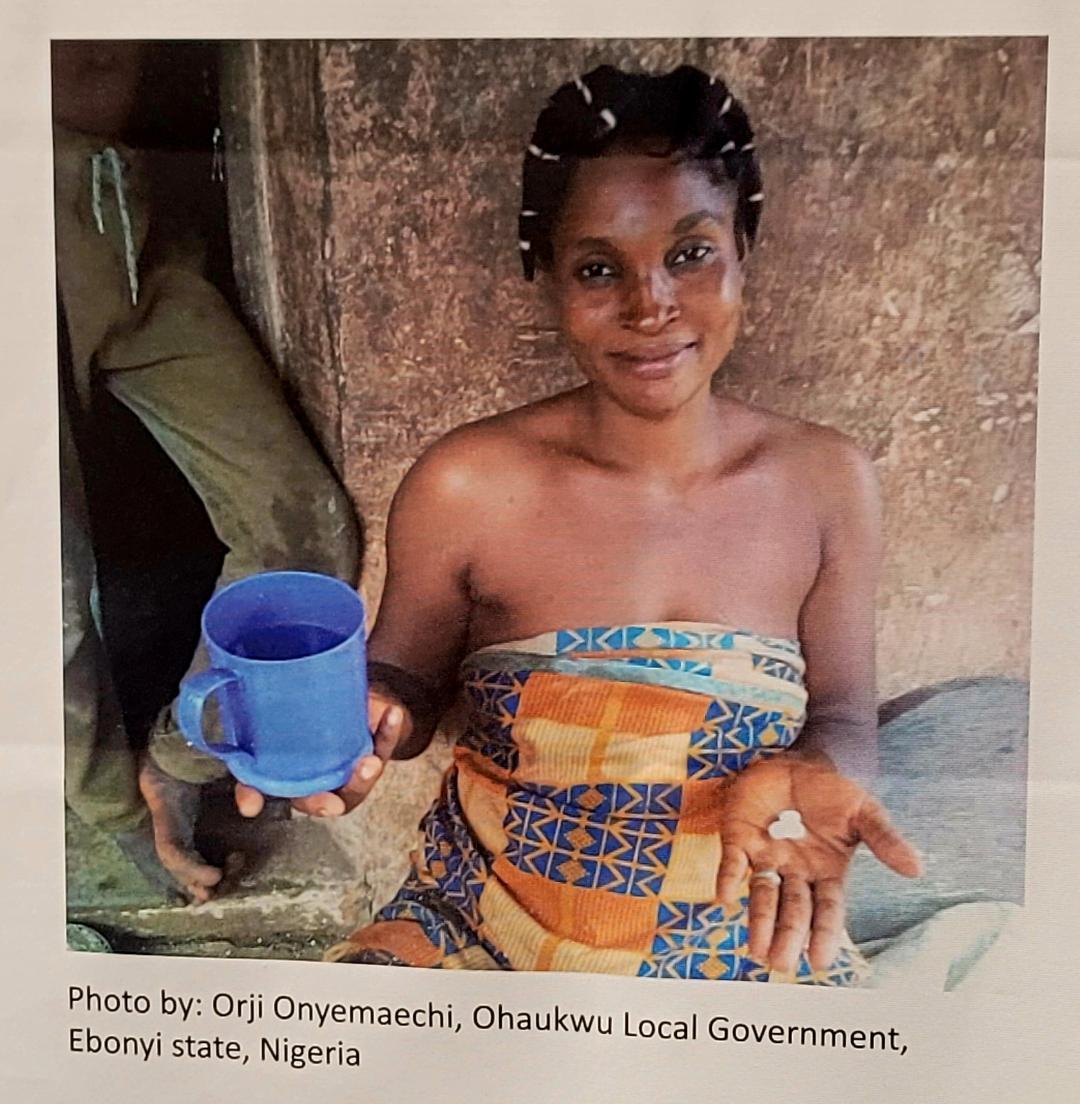
There was no statistically significant difference in the mean number of ANC visits between the groups receiving IPTp only in one location (0.29 ± 0.13 visits, p=0.077). The difference in number of doses was statistically significant across all groups, whereby women in the facility-only group received the fewest IPTp doses. Receipt of IPTp in both locations was associated with both greater numbers of ANC visits and IPTp doses. Only receiving IPTp in the community was not associated with a decrease in ANC attendance.

These data suggest complementing ANC-based IPTp distribution with community-based distribution is beneficial.

Children &Mortality &Seasonal Malaria Chemoprevention Bill Brieger | 31 Oct 2022

Contribution of Seasonal Malaria Chemoprevention (SMC) to the Reduction of Malaria Burden in Children Under 5 Years of Age in the Sud-Ouest Region, Burkina Faso

Moumouni Bonkoungou, Ousmane Badolo, Mathurin Bonzi, Youssouf Sawadogo, Andre Kone, Thierry Ouedraogo, Gauthier Tougri, Mathurin Dodo, Edward Kenyi, Gladys Tetteh, and William Brieger working with the US PMI Impact Malaria project implemented Seasonal Malaria Chemoprevention (SMC) in collaboration with the National Malaria Control Program (NMCP) of Burkina Faso in 3 regions. Their findings are seen below and are presented at the Annual Meeting of the American Society of Tropical Medicine and Hygiene in Seattle.

According to health statistics for 2020, in Burkina Faso, malaria accounts for 40% of medical consultations and 27% of deaths. Children under 5 years of age account for 72% of malaria deaths. 

In 2021, the SMC consists of the administration of three days of monthly treatments of amodiaquine plus sulfadoxine-pyrimethamine to all eligible children (3-59 months of age) during the high malaria transmission season (June to October). The objective is to maintain therapeutic concentrations of these antimalarials during the period of high transmission. 

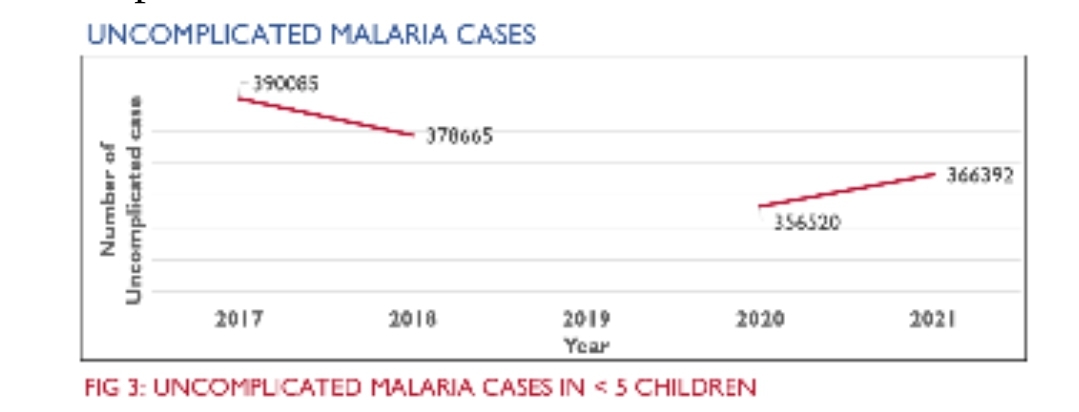
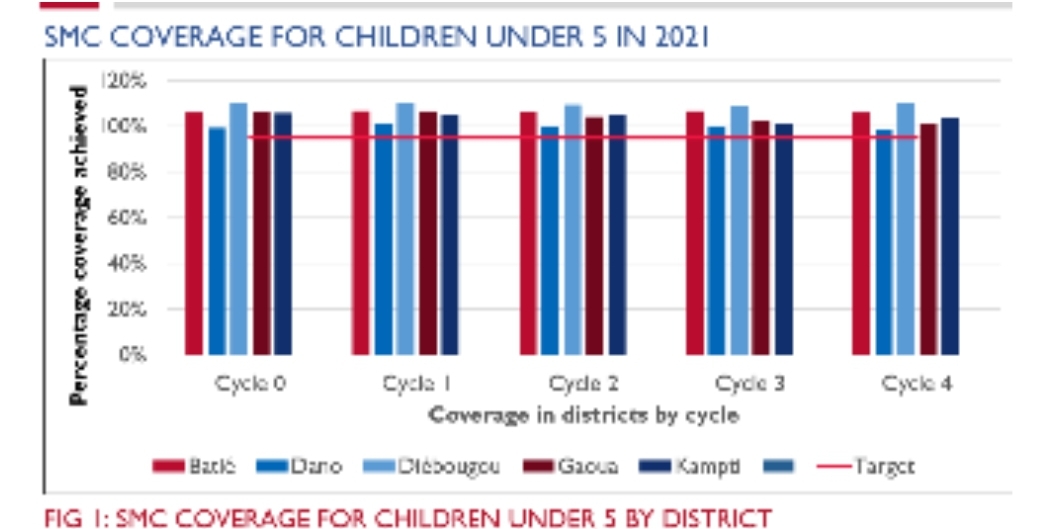
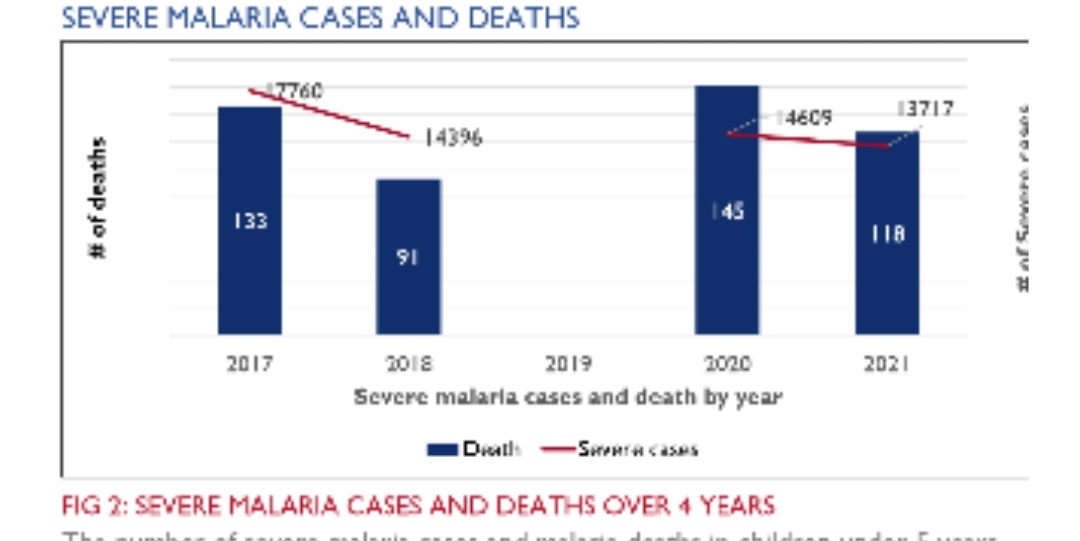
In 2021, 19 of 70 health districts (27%) were supported by the project to implement SMC with more than 838,000 children under 5 years treated, including 180,000 from the Sud-Ouest region (Dano, Batie, Kampti, Gaoua, and Diebougou health districts). In this region of high rainfall, the number of severe malaria cases in children under 5 years decreased from 17,760 in 2017 (before SMC) to 14,609 in 2021 with SMC after 4 years of SMC implementation, i.e., a reduction of 17%. 

The number of malaria deaths also decreased from 133 in 2017 (before SMC) to 118 in 2021, a reduction of 11%. Kampti health district recorded the highest reduction of deaths of 78% [33 to 7 deaths] between 2017 and 2021 and Dano district had a reduction in severe malaria cases by 28% between 2017 and 2021. 

The main challenges with SMC include a delay in referral of fever cases by community distributors to health facilities during the campaign, management of vomiting during the 2nd or 3rd dose, and failure to retain the treatment cards by the parents. Seasonal Malaria Chemoprevention is a proven intervention and appears to be an important

component of the malaria prevention strategy in Burkina Faso but consideration should be given to address ongoing implementation challenges.

Conflict &ITNs Bill Brieger | 30 Oct 2022

Insecticide Treated Mosquito Nets in Conflict-Affected Fragile States

Marwa Ramadan of the Alexandria Faculty of Medicine, Alexandria, Egypt and William Brieger of the Johns Hopkins Bloomberg School of Public Health are presenting this information at the Annual Meeting of the American Society of Tropical Medicine and Hygiene in Seattle.

Studies have highlighted the potential impact of conflict and displacement on malaria prevention and mitigation efforts, but few investigated the effect of subnational conflict intensity on access and utilization of mosquito nets in fragile countries.

This study bridges the gap by applying a conflict intensity lens to the analysis of access and utilization of Insecticide Treated Nets (ITN) in two conflict-affected fragile states (Nigeria and Democratic Republic of Congo (DRC)), where at least 45 % of global malaria deaths occur.

We used the Demographic health survey (DHS) and the Uppsala Conflict Data Program for information on access and utilization of nets and conflict events respectively. Access was defined as the percentage of population with at least one ITN per 2 household members, while utilization was defined as the percentage of population who slept under an ITN the night before the survey in households with at least 1 ITN.

To define conflict intensity, we linked household clusters to conflict events within a 50 km distance using ArcGIS. Conflict intensity was then categorized into medium or high intensity conflict and no or low intensity conflict using a cut-off of 2 or more deaths per 100, 000 population per cluster. Access and utilization of ITNs was compared by conflict intensity at the household cluster level.

Analysis of data from 281,689 individuals living in 58,183 households revealed that 42.8% (CI: 42.3 – 43.3%) and 39.9% (CI: 39.5 – 40.1%) of members living in neighborhoods with medium and high intensity conflict in DRC and Nigeria respectively had access to ITNS compared to 47.9% (CI: 47.6 – 48.1%) and 51.0% (CI: 50.8 – 51.2%) in no or low intensity conflict.

Similarly, 65.1% (CI: 64.3 – 65.9%) and 62.8% (CI: 62.3 – 63.3%) of those living in medium or high intensity conflict in DRC and Nigeria respectively utilized ITNS compared to 69.2 % (CI: 68.8 %-69.6 %) and 65.7% (CI: 65.4-66.0%) in no or low intensity conflict.

National malaria control programs must consider that access and utilization of ITNS are statistically significantly lower in neighborhoods with medium or high intensity conflict and target supporting interventions accordingly.

Children &COVID-19 &Diagnosis &IPTp &ITNs &Malaria in Pregnancy &Treatment Bill Brieger | 06 Oct 2022

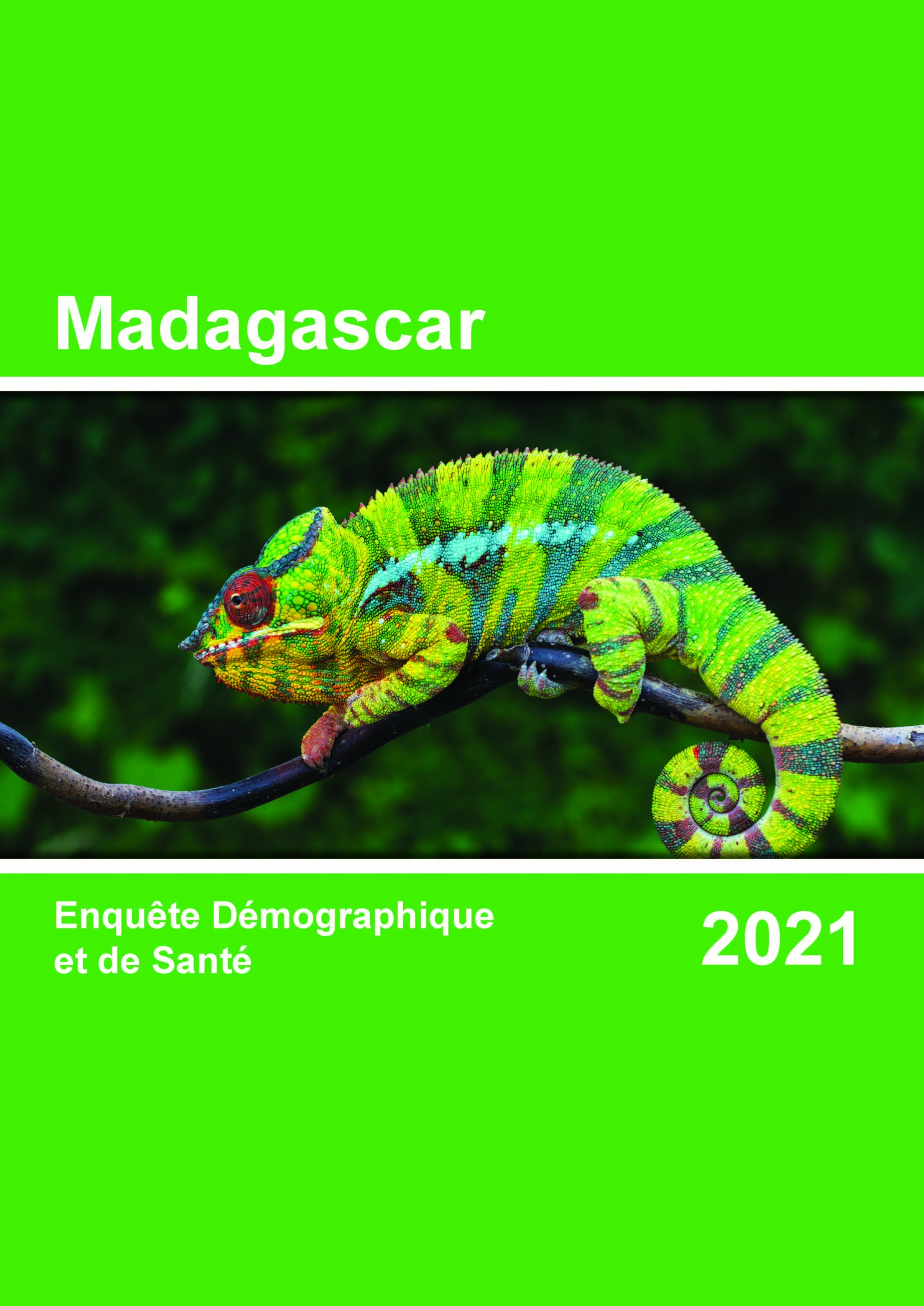
2021 DHS and MIS Findings from Six Malaria Endemic Countries

The Demographic and Health Survey Program has released final and summary reports for both DHS and Malaria Indicator Surveys (MIS) for 2021 from several malaria endemic African countries. Below is a brief summary of some of the findings from Madagascar, Nigeria, Burkina Faso, Mali, Côte d’Ivoire, and Senegal. Click the link on each country to download a copy for yourself.

The proportion of the population who slept under an insecticide treated bednet the night before the survey varied. In Madagascar it was 49%, While in Nigeria it was 59%. Mali achieved the highest coverage at 73%, while Burkina Faso had the lowest previous night coverage at 41%.

Senegal showed a worrying decrease from 63% in 2016 to 46% in 2021. Côte d’Ivoire did not report total household use, but indicated that 72% of homes had at least one net, with 58% of children below 5 years of age and 64% of pregnant women sleeping under them.

At least three doses of sulfadoxine-pyremethamine is recommended for Intermittent preventive treatment of malaria in pregnant women. The national average was 38% for at least 3 doses in Senegal, although ironically 92% had been reached with the first dose. In Mali only 35% received at least a third dose. Burkina Faso started out with 92% for the first dose, but reached 57% with three or more. Côte d’Ivoire started with 80% receiving their first dose and concluded with only 35% receiving a third. Both Madagascar and Nigeria had the lowest 3-dose coverage at 31%.

Malaria testing and treatment using rapid diagnostic tests and artemisinin-based combination therapy (ACT) was reported. Nigeria demonstrates the challenges of following guidelines. Although 63% of children under 5 years of age were reported to have had a fever in the two weeks preceding the survey, only 24% of those received a diagnostic test. The summary results report that 74% of those with fever “who took any anti-malaria medicine” used the recommended ACT. The implication is that many received medicine without confirmatory testing such that some may have gotten ACT who needed another medicine and some who actually had malaria may have missed the correct treatment.

A similar low level of testing was seen in Senegal (22%), Mali (23%), and Madagascar (20%). Côte d’Ivoire reported 38% of febrile children having been tested. Burkina Faso performed better for testing with 65%.

These brief findings indicate that implementation of Malaria interventions are far from ideal. We know that some of the blame can be placed on health service disruptions due to demands of COVID-19 activities by health ministries and partners. Still, with 8 years remaining until 2030, Reinvigorated efforts are needed in all endemic countries if these six examples are indicative of the challenges we face.

coronavirus &COVID-19 &Vaccine Bill Brieger | 25 Aug 2022

COVID-19 Vaccine Hesitancy Is Rising In Ghana: Time To Take Action

Andaratu Wuni has contributed this posting to the Blog site for the JHU site for the course Social and Behavioral Foundations of Primary Health Care.

This image has an empty alt attribute; its file name is vaccine-hesitancy-word-cloud800.jpg(Graphic source: https://www.aafp.org/news/health-of-the-public/20210429vacchesitancy.html)
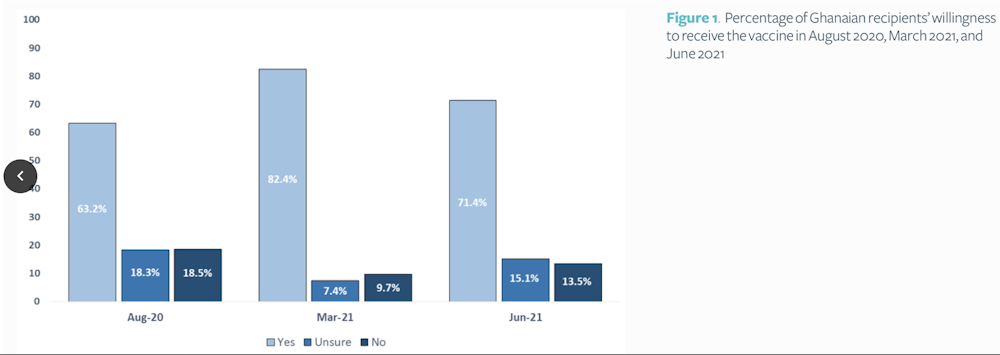
Covid 19 has unarguably wrecked devastating consequences globally since its emergence and has proven to to be a ubiquitous public health health problem. Vaccination against the virus has been shown to be the most effective way of limiting severe disease and mortality. However the spate of vaccine hesitancy in Ghana has continued to rise in the last year. The World Health Organization defines vaccine hesitancy as the delay in acceptance or refusal of vaccination despite availability of vaccination services. This public health problem has far reaching consequences not only in Ghana but globally. Currently the vaccine hesitancy rate in Ghana is about 30% and counting! with people 25 years and under leading the hesitancy core.

This image has an empty alt attribute; its file name is file-20210719-23-1f9cp4p.png

(Graph Source: https://figshare.com/articles/thesis/Examining_drivers_of_COVID-19_vaccine_hesitancy_in_Ghana/14494851)

Since Ghana rolled out vaccines to the general public over one year ago, only 25.9% of the population have been fully vaccinated as of August 19,2022.Ghana has a target of vaccinating 22.9million eligible Ghanaians; that is about 60% of the population in order to achieve herd immunity, however only 8.2 million Ghanaians have been fully vaccinated to date.

Many reasons account for the rise in covid 19 vaccine hesitancy in Ghana; from the depletion of rigorous and continuous education and the consequent lack of community engagement, relaxation of covid 19 protocols, to vaccine misinformation and conspiracy theories as well as political influence. It is time for a policy that will mitigate this crucial problem, which the WHO(before the covid pandemic) described as one of the top ten greatest threats to global health.

The truth is, a single policy may not totally solve the problem as the issue of vaccine hesitancy is a complex one. The best approach will be for policymakers to enact policies to make vaccination a condition for other essential services in Ghana.

Intensify mandatory vaccination especially in high risk individuals and high risk locations, eliminate vaccine exemptions based on all but health related reasons, commit to structured community engagements and outreaches using the key stakeholders like the Ghana Medical Association and the Public Health association of Ghana, use stakeholders like UNICEF Ghana and the Ghana Health Service to disseminate accurate and scientifically proven vaccine information and last but not least introduce incentives for citizens who take the vaccine.

Antibiotics &Resistance Bill Brieger | 25 Aug 2022

Antibiotic Misuse: A Public Health Menace In Lagos, Nigeria

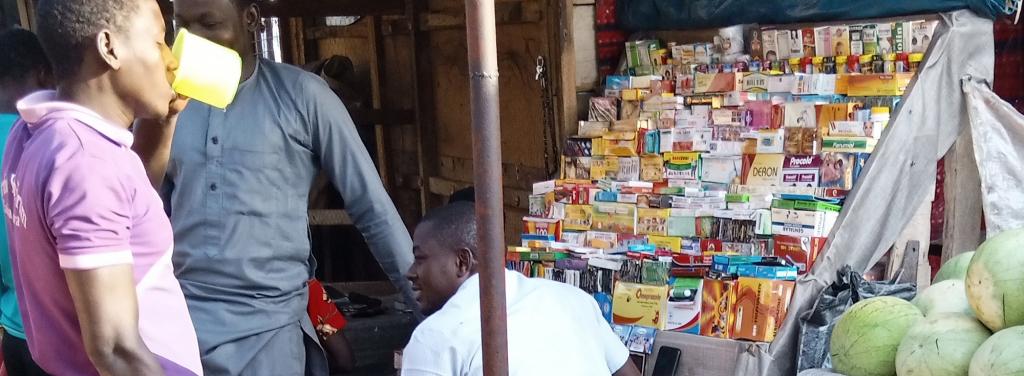
Abigail Arthur has contributed this posting to the Blog site for the JHU site for the course Social and Behavioral Foundations of Primary Health Care. Antibiotics are designed after years of research to determine which specific organisms they target, and at which doses they are effective. Hence, they must be used with strict adherence to prescription instructions to ensure maximum effectiveness. Unfortunately, there is a trend here in Lagos showing the gross misuse of antibiotics. This image has an empty alt attribute; its file name is 0.55839100_1579681866_nigeria-amr.jpg Adapted from https://www.downtoearth.org.in/news/health/antibiotic-resistance-nigeria-stares-at-a-major-catastrophe-68915 The factors driving this phenomenon range from the misconceptions and practices of individuals and their contacts to factors associated with the communities and institutions within, same as well as the policies governing both. In Lagos, much of the misuse is fostered by extremely easy access to antibiotic medications aided by poorly implemented drug regulation policies. For instance, in 2005, there were 100 times more basic drug stores (patent and proprietary medicine vendors) than licensed pharmacy shops in Nigeria. ? While the operators of these basic drug stores have very little to no pharmaceutical knowledge, they are the first point of call for medications in the community.

The effect?

The next time you use the red and black tablet(ampicillin) for a skin infection, or an upper respiratory tract infection, it may not work due to the resistance built by microbes to these abused antimicrobials. ? Antimicrobial resistance (AMR) leads make treatments dear as newer generation (and pricier!) medication is then needed. Unfortunately, AMR can also lead to fatalities.

The way forward:

Antimicrobial Stewardship Programs (AMS) instituted by the Ministry of Health was implemented across only 6 health facilities in Lagos state in 2021. ? Our focus of advocacy is to encourage policy makers to consider antimicrobial resistance as an upcoming emergency following the progressive misuse of antimicrobials in the country. We call for proper control on the sale and advertisement of antimicrobials, an improvement in the patient to prescriber ratio and a strengthening of the Antimicrobial Stewardship Program already in place.

Dengue &Vaccine Bill Brieger | 23 Aug 2022

Dengue vaccines in Singapore – a luxury or a necessity?

Edwin Chng has contributed this posting to the Blog site for the JHU site for the course Social and Behavioral Foundations of Primary Health Care.

This image has an empty alt attribute; its file name is mosquito.jpgDengue has been endemic in Singapore for many decades, with all four dengue serotypes (DENV-1-4) in active circulation. It presents a significant impact on the economy, with the financial burden of dengue estimated to be US$1.04 billion from 2010 to 2020. (Mosquito Photo credit: http://bitly.ws/twG2)
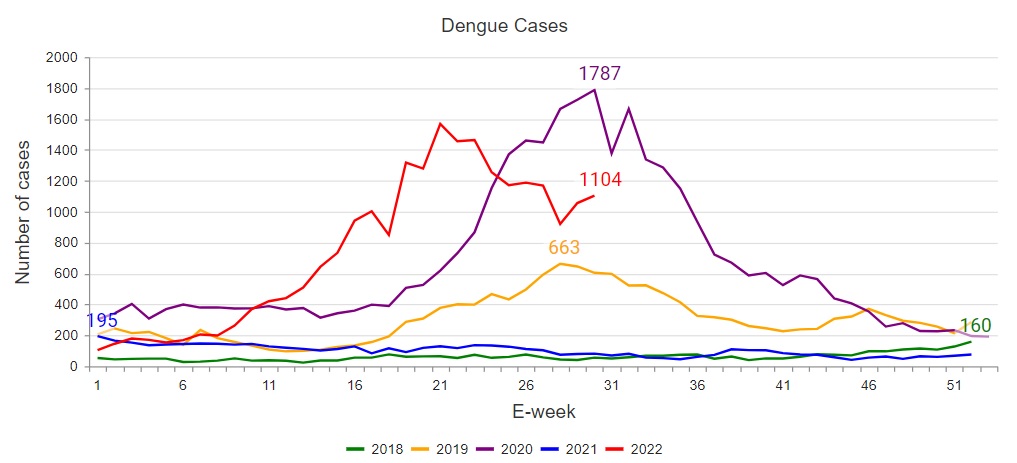
Despite aggressive conventional vector control measures such as fogging and breeding site elimination, Singapore continues to have persistent outbreaks annually. The number of cases in recent years have also surged. From January to July 2022, 9 deaths and 22,468 cases have been reported thus far – the latter number is more than 4 times the number of cases reported in the whole of 2021. Dengue cases is likely to continue to increase, as the traditional peak dengue season in the country is from June to October each year. (Dengue Cases Graph Photo credit: NEA)

This image has an empty alt attribute; its file name is nea.jpg


Singapore’s dengue crisis can be attributed to climate change and a recent change in the prevailing serotype. In the past, the dominant strains in Singapore were DENV-1 and DENV-2, hence the Singapore population has lower immunity to the other two strains. As a result, a large proportion of the population remains susceptible to DENV-3, which is emerging as the dominant strain in Singapore.

As such, as per the World Health Organization, dengue vaccination remains an integral part of dengue prevention and control strategy. The vaccine has an efficacy of about 80% against the outcomes of infection, hospitalization and severe infection which is potentially lethal. Unfortunately, the Singapore government has decided not to include it in the national immunization program, hence it is not eligible for government subsidy. As a result, the vaccine which costs a hefty USD450 remains inaccessible to the This image has an empty alt attribute; its file name is denguevaccine.jpgaverage Singaporean. (Vaccine Photo credit: http://bitly.ws/twGk).
Various stakeholders including the National Center for Infectious Diseases, primary care physicians and pharmaceutical companies can rally and work together in awareness campaigns and clinical studies. Health economics data from such collaborations can confirm the cost-effectiveness of dengue vaccines and positively influence the government to consider a change in its existing policy to provide subsidies. Increasing its accessibility and affordability to more Singaporeans will definitely contribute significantly to the fight against dengue in Singapore.


Children &Seasonal Malaria Chemoprevention Bill Brieger | 23 Aug 2022

Seasonal Malaria Chemoprophylaxis (SMC) more equitable than Long-Lasting Insecticide Treated Mosquito Nets (LLINS) in Senegal

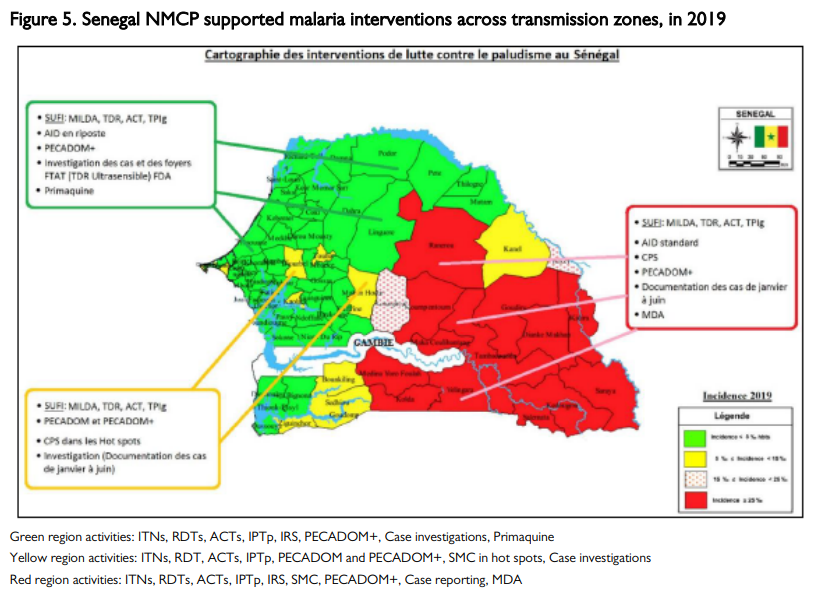
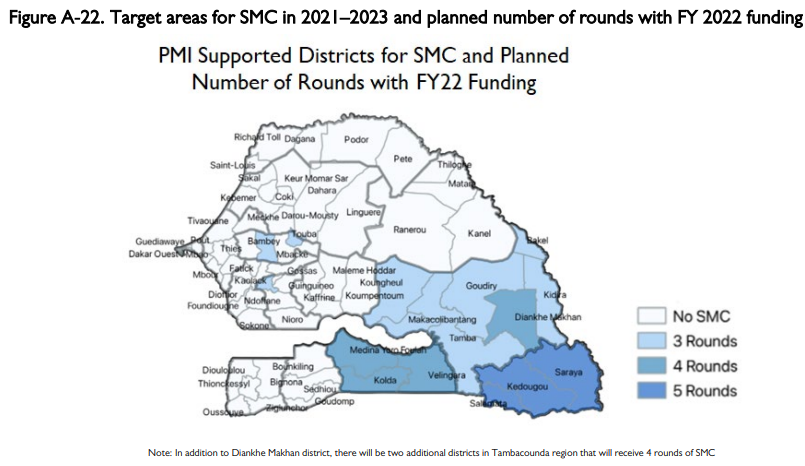
Sarah McHugh  has contributed this posting to the Blog site for the JHU site for the course Social and Behavioral Foundations of Primary Health Care. This image has an empty alt attribute; its file name is senegal-nmcp-malaria-interventions.pngAlthough malaria transmission and infection rates in Senegal have declined in the past two decades from over 300 incidences of malaria infection per 1000 people at risk in 2000 to about 50 in 2020, malaria remains a burden and Senegal is still working with partners and stakeholders to research potential control and elimination strategies. Malaria is endemic in Senegal, where all of its inhabitants are at risk of contracting the disease and the country has a tropical zone of the country, where there is year-round transmission of malaria and a Sahelian zone, where transmission is high during and after the rainy season. (Map: Malaria interventions across transmission zones in Senegal) This image has an empty alt attribute; its file name is target-areas-for-smc-2021-2023-1.pngThe WHO currently recommends that children under five years of age who reside in areas that have high seasonal malaria transmission (where most of the annual malaria cases occur during four months of the year) receive SMC during the months of high transmission. Although not currently recommended by the WHO, Senegal is the only SMC country that includes children up to ten years of age in SMC distribution. (SMC District MAP: PMI supported SMC districts in Senegal)
Cancer &Community &HPV &Vaccine Bill Brieger | 23 Aug 2022

Stop Cervical Cancer: Promote HPV Vaccination in Kenya

Lisa Marie Clark has contributed this posting to the Blog site for the JHU site for the course Social and Behavioral Foundations of Primary Health Care.

Cervical cancer is among the leading causes of death for Kenyan women. Every day, 9 women die from cervical cancer alone in Kenya. HPV vaccination reduces the risk dramatically, particularly for HPV types 16 and 18, which may be responsible for up to 70% of cervical cancers.

Optimal vaccination is in early adolescence starting at age 10, before sexual activity begins. In 2020, uptake of the HPV vaccine in Kenya was low, with only 33% of the target population receiving the first dose and only 16% percent receiving a second dose.  Low uptake may be due to a variety of factors including misinformation, lack of access, and low supply of vaccines.

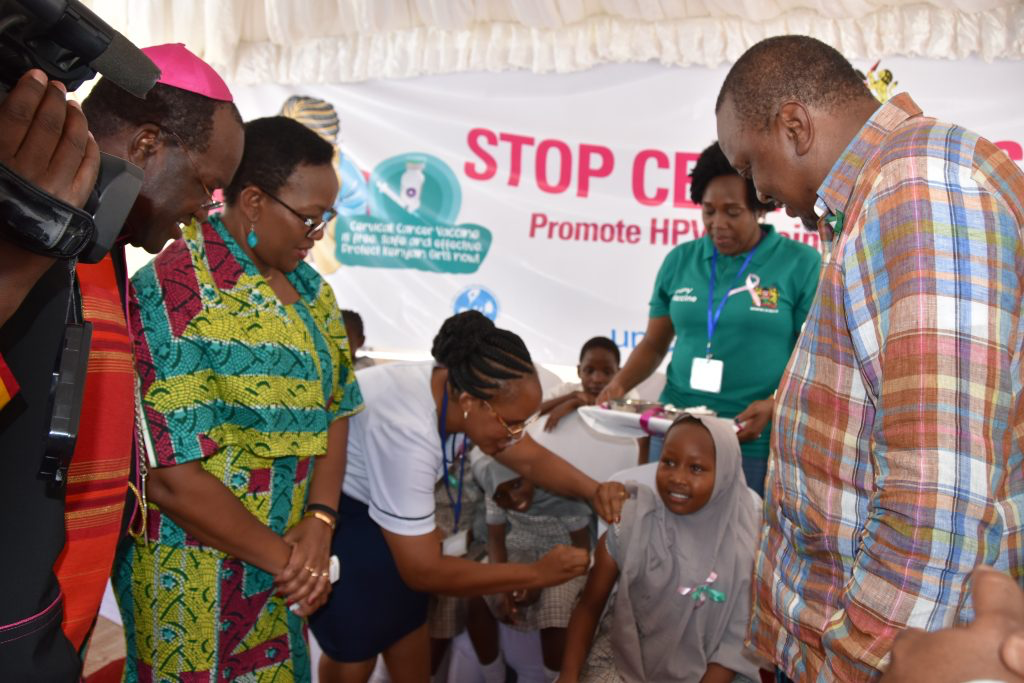
In 2019, the Kenyan Ministry of Health began including the HPV vaccine in the routine vaccination schedule. The vaccine, with support from GAVI, the vaccine alliance, is offered free of charge. However, the Catholic Church and medical professional groups influenced by religious ideology have been a major opponent to vaccine uptake. The Kenya Catholic Doctors’ Association has been vocal about urging parents to promote abstinence over vaccination, equating HPV vaccination with permission to engage in sexual activities. See vaccination from Republic of Kenya’s Ministry of Health in photo.

This image has an empty alt attribute; its file name is hD-33n0HRIC3nk5MFEAGMj8-5yoZOZB010xICtXA0I369kfz70j7dkNDxeUms3y96gGDjlHNZHdTrUA3B0Zb6HtrqvGIITz4WBlaXzXpWO-cwnw0I8rmmtOxZh_n3WqHwwmMO6Jw-d9Xf4YJdaVUCj0In the face of such obstacles to vaccine uptake, more funding is needed to strengthen Kenya’s vaccination campaign, with a focus on building trust and strengthening partnerships with faith leaders to improve vaccine uptake. With more funding from GAVI and improved community engagement vaccination rates would improve, HPV infection rates would decrease, and lives would be saved as a result.

coronavirus &Ebola &Vaccine Bill Brieger | 13 Jul 2022

Malaria and Tropical Health Update for 6-13 July 2022

Please see some excerpts from recent news/media reports on COVID-19, Malaria, Marburg Virus, Ebola, Microplastics and more. Follow links for full articles.

Channels TV reports that Nigeria has confirmed 357 new cases of COVID-19 amid the wave of fresh infections resurging in parts of the country. The number of new cases has continued to rise as authorities have yet to restore the relaxed measures initially put in place to curb the spread of the disease. In a tweet on Tuesday, the Nigeria Centre for Disease Control (NCDC) explained that the fresh infections were confirmed between July 9 and 11. These cases, it stated, were reported in five states and the Federal Capital Territory (FCT).

BioNTech to take malaria vaccine into clinical trials later this year as reported on 12-Jul-2022 By Rachel Arthur. BioNTech is readying to take its mRNA malaria vaccine candidates into clinical trials later this year.

Mzuzah Webinar on “The Effects of Microplastics on Human Health” on Tuesday, July 26, 2022 from 10:00 AM to 12:00 PM CDT. Mzuzah Africa is a multidimensional platform, which connects stakeholders from key sectors in the sustainability discourse. These dialogues are essential to ensure the development of Sustainable Leadership with highly skilled, right-thinking individuals leading the transformational movement in Africa.

Faced with COVID and monkeypox, new USAID leader draws strength from African proverb. From NPR July 11, 2022. Dr. Atul Gawande began a challenging new job this year. The surgeon, former New Yorker staff writer and bestselling author of books like Being Mortal: Medicine and What Matters in the End, is now the head of global health for the U.S. Agency for International Development, which provides foreign and humanitarian aid around the world. So far it’s been quite a daunting year. The pandemic has of course continued and cases are now surging in many countries. Then there’s the worldwide monkeypox outbreak, the potential global repercussions of the U.S. Supreme Court’s decision to overturn Roe v. Wade, and other health crises that have arisen in the wake of the pandemic. Gawande spoke to NPR about the agency’s top health priorities in low-income countries.

On July 11, 2022 Jessica Nye wrote that Ebola Reduces Visual Quality of Life in Pediatric Patients. Survivors of EVD and their close contacts were found to have poor health- and vision-related quality of life, especially among children with one or more ocular complications. Shantha JG, Canady D, Hartley C, et al. Ophthalmic sequelae and psychosocial impact in pediatric ebola survivors. EClinicalMedicine. 2022;49:101483. doi:10.1016/j.eclinm.2022.101483

The Express (UK) reported that Marburg Virus, an Ebola-like virus with 88% death rate has hit Ghana as fever sparks ‘serious concern’ AN OUTBREAK of a deadly virus similar to Ebola, called Marburg, has been identified in Ghana, as two people were diagnosed with the highly contagious disease after they had died. Vassia Barba wrote on Jul 8, 2022. The World Health Organization (WHO) said on Thursday “preparations for a possible outbreak response are being set up swiftly as further investigations are underway”. In a statement, the WHO said preliminary assessment of samples from the two patients indicate the cases were positive for Marburg. However, it clarified those results must be confirmed by a laboratory in Senegal.

FutureLearn is offering an online course, The Resistant Mosquito: Staying Ahead of the Game in the Fight against Malaria. Discover how we can keep the upper hand in our fight against the malaria mosquito by managing insecticide resistance development. This course will be available on FutureLearn from 25 July 2022. The link to the course will follow on July 25th.

« Previous PageNext Page »