Posts or Comments 28 April 2026

Community &iCCM &Procurement Supply Management &Treatment Bill Brieger | 06 Aug 2015

RSAP Themed Issue on Pharmaceutical Logistics for integrated Community Case Management (iCCM) – Call for Papers

RSAP_v11_i4_COVER.inddA themed issue for Research in Social and Administrative Pharmacy (RSAP at http://www.journals.elsevier.com/research-in-social-and-administrative-pharmacy/) will feature the challenges of guaranteeing regular and adequate pharmaceutical supplies and commodities for integrated Community Case Management (iCCM). iCCM can be described as a comprehensive approach to providing essential health services in and by the community. iCCM relies on having basic commodities like Rapid Diagnostic Tests (RDTs) and artemisinin-based combination therapy (ACT) medicines for malaria, oral rehydration solution (ORS) packets and zinc for diarrhea, in addition to appropriate antibiotics like amoxicillin and cotrimoxazole for pneumonia available in the community.

Early successes describing the documentation of need and initial procurement of these essential therapies in developing nations have been published; however, this themed issue will share original research, models, and expert commentaries on ensuing stages in procurement and supply chain management (PSM) that will sustain iCCM.

PSM/logistical success for iCCM can occur in countries that have a department or unit that focuses on community health promotion and supports standardized training and equipping of Community Health Workers (CHWs) even in small villages. Unfortunately, most programs lack adequate procurement and supply management systems, especially planning and forecasting. Front-line health center staff who train and supervise village-based iCCM volunteers express concern about the difficulty in acquiring enough medicines for their own clinical needs, let alone supplies for volunteer community health workers.
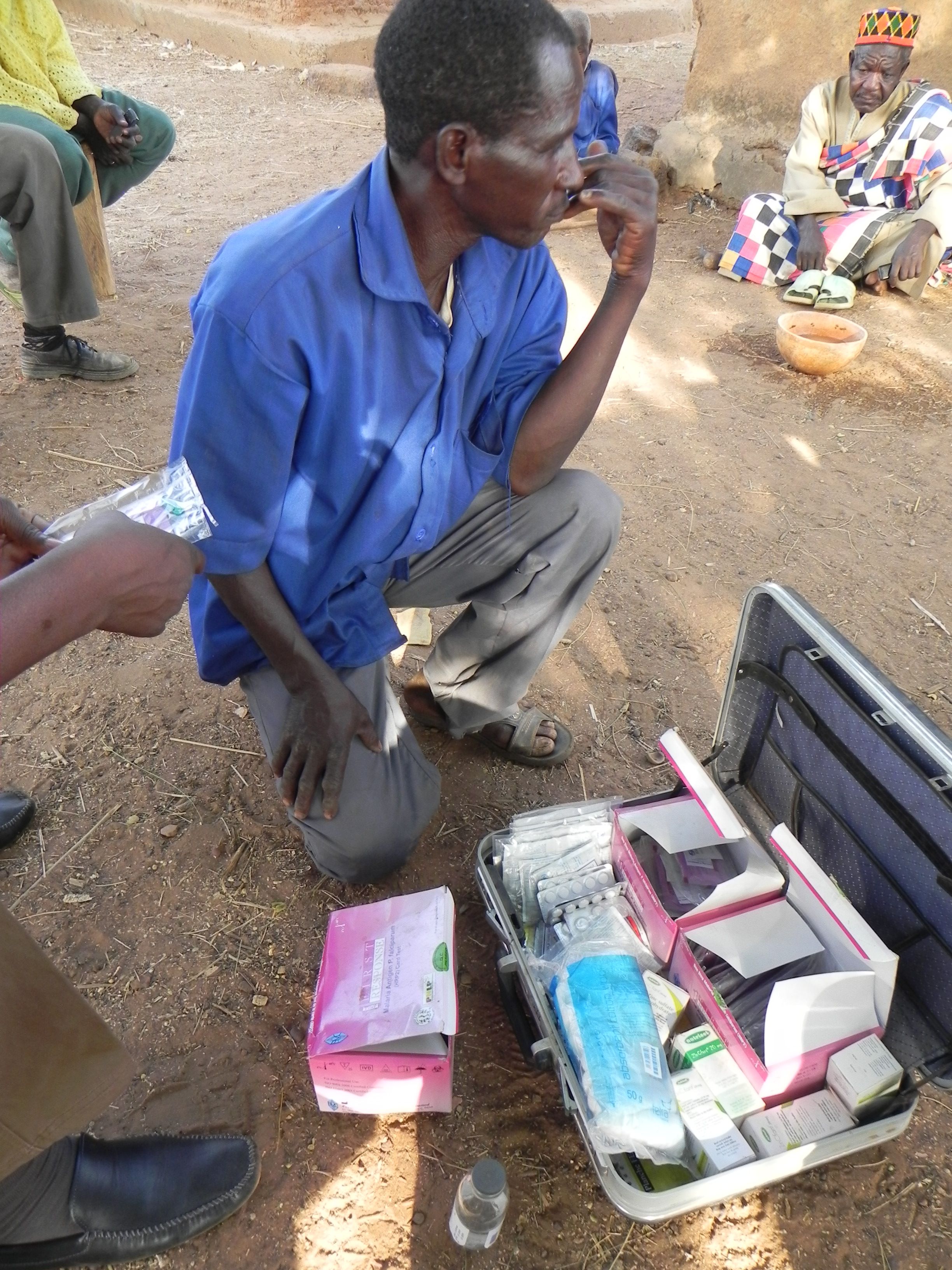
DSCN5479Other programs reserve iCCM only for selected communities in a catchment area based on distance or availability of community health extension/auxiliary workers. There are also examples of iCCM that are narrowly focused on one or two health problems, while others take a more comprehensive approach. Clearly each has different logistical concerns such as the generic issues of forecasting, procurement, shipping and storage, while others experience the difficulty obtaining funding support when many disease control programs have vertical financial streams.

There are various models for providing medicines at the community level. One is the pioneering work of the World Health Organization’s (WHO’s) Tropical Disease Research (TDR) program in promoting Community-Directed Treatment with Ivermectin (CDTI) for River Blindness Control, which evolved into the Community Directed Intervention (CDI) approach for delivering basic health commodities by the community, itself.[1]

Policymakers, health organizations, and front-line clinicians often say, “no product, no program.” This themed issue will share the experiences and lessons of iCCM, both successes and challenges, to help the global health community see the need for more systematic planning of PSM for iCCM. International agencies and donors clearly recognize that alternative forms of essential health service delivery are needed to achieve coverage targets and save lives. The community as a source of care has a solid foundation as established at the International Conference on Primary Health Care, which produced global guidance through the Alma Ata Primary Health Care Declaration of 1978,[2] but in all those years, actualization of this ideal has been difficult for logistical reasons. This RSAP themed issue should not only help us understand the present challenges, but map a way forward to better access to essential health commodities in communities throughout the developing world.

The themed issue will include various contributions such as:

  • Commentary/Overview from the World Health Organization staff who have spearheaded the iCCM movement
  • Implementation/intervention research on:
    • The link between front-line clinics and community health workers/distributors in guaranteeing iCCM commodities
    • The challenge of providing iCCM commodities for use by nomadic populations
    • Provision of iCCM commodities by different types community workers
    • Successes and challenges in maintaining supplies and commodities for large-scale and national community primary health care programs
    • Comparative lessons from other community based programs such as family planning commodity distribution and home-based care for people living with HIV
  • Documented program experiences including:
    • The challenges of maintaining iCCM supplies and logistics in emergency situations, as with disaster refugee and outbreak situations
    • The role of donors and non-governmental organizations (NGOs) in providing commodities.

We are still seeking additional contributions. If you have a paper or idea for one or more, please contact the guest editors. Papers must be submitted on the Elsevier RSAP platform at http://ees.elsevier.com/rsap/ by February 1, 2016 for publication in fall of 2016.

Guest Editors:

  • William R Brieger, MPH, DrPH, Professor, Department of International Health, Bloomberg School of Public health, The Johns Hopkins University; Senior Malaria Specialist, Jhpiego; RSAP Editorial Board Member. <bbbrieger@yahoo.com>
  • Maria KL Eng, MPH, PhD, Departmental Associate, Department of International Health, Bloomberg School of Public health, The Johns Hopkins University; Instructor for “Pharmaceuticals Management for Under-Served Populations” <meng@jhu.edu>

[1] http://www.who.int/bulletin/volumes/88/7/09-069203/en/

[2] http://www.who.int/dg/20080915/en/

Diagnosis &Elimination &ITNs &Universal Coverage Bill Brieger | 02 Aug 2015

Malaria Status in the 2014-15 Rwanda Demographic and Health Survey

Rwanda is experiencing low and very low levels of malaria test positivity rates, thought there are a few districts near the borders with Uganda, Tanzania and Burundi that have relatively higher transmission. Overall the country is strategizing how to move toward the pre-elimination phase on the pathway to malaria elimination. This is defined as a test positivity rate of less than 5% during the high transmission season.

DHS 2010 Malaria Prevalence in Children 6-59 MonthsIt is important to distinguish between test positivity rate and prevalence rate. The most recent survey report that gives prevalence is the DHS 2010 with a rate of 1.4% in children below 5 years of age and 0.7% among women of reproductive age. During 2010 the health management information system shows that among those tested (microscopy or RDT) for malaria, 24% were positive. The population for test positivity reports is a much smaller group that is already suspected of having malaria. That said, 24% or the 2013 rate of 29% is still far from the 5% cut-off for pre-elimination status.

Rwanda still maintains a policy of universal coverage with insecticide treated nets (ITNs). Rwanda also has a policy that every pregnant woman should receive an ITN during her first antenatal care visit. Ideally in order to reach pre-elimination status, a country needs to sustain high coverage of malaria prevention and treatment interventions at an 80% level for several years.

The newly released preliminary results of the 2014-15 DHS provide an opportunity to examine achievements. The 2014-15 DHS found that 81% of households had at least one ITN, while 43% had achieved the universal coverage target of one ITN per two household members. These numbers remain basically unchanged from the 2013 Malaria Information Survey (83% and 43%), while the 2010 DHS found 82% of households had a net, but did not report on the indicator of one net per two people. In short, it appears that coverage levels have been maintained at a certain level.

DSCN7129a pregnant women get ITNs when register for ANC RwandaDHS 2014-15 shows that 99% of pregnant women in Rwanda received antenatal care from a skilled provider. That means that basically all pregnant women should have received an ITN. 73% of pregnant women had slept under an ITN the night before they were surveyed, while 88% of all women of reproductive age slept under a net. 68% of children below the age of five years slept under an ITN the night before their household was surveyed, while 80% who lived in households that owned an ITN did so.

Indoor Residual Spraying (IRS) is focused on certain high transmission/burden districts. The preliminary 2014-15 DHS does not report on this and the 2013 MIS reports broadly by region, hence one sees coverage reports for IRS in the east (22%) and south (16%), where there is greater malaria burden, but this cannot be linked to specific districts that may have been targeted.

Rwanda also has a policy that all suspected malaria cases should be tested, whether with microscopy in health centers or rapid diagnostic tests by village health workers. It is only those persons testing positive for malaria who are supposed to be given malaria medicine.

DHS shows that 1439 children below five years of age (or 19% of the total) had fever in the two weeks prior to the survey. Of these 36% reported having a blood test performed, and 11% of those with fever received the approved artemisinin-based combination (ACT) therapy drug. The report does not indicate the actual testDSCN7282 results of those receiving ACT.

As Rwanda strategized toward reaching malaria pre-elimination status it can consider ways of enhancing ITN use, not only among vulnerable groups like small children and pregnant women, but all members of the household. As prevalence drops, so does acquired immunity, putting adults at greater risk.

The universal coverage target of at least 1 net for every two people in a household must be maintained, especially since it is nearing three years since the last universal coverage distribution campaign. Either another campaign will be needed or efforts to strengthen delivery of nets to families through routine health services.

In addition prompt and appropriate treatment based on diagnostics can be strengthened. One would have expected more children with fever to have been tested for malaria that the DHS reports.

Internal and external support is needed. Rwanda has been on the verge of reaching malaria pre-elimination status several times in the past decade. Even though malaria is no longer the top cause of death, we should not reduce our efforts to create a malaria-free Rwanda.

Diagnosis &HIV &Integration Bill Brieger | 25 Jul 2015

AIDS and Malaria: The Challenge of Co-Infection Persists

While the International AIDS Society is holding its 2015 meeting in Vancouver, it is important to remember that individual infectious diseases do not exist in isolation, but in combination make life worse for infected people. The co-infective culprit with HIV/AIDS that usually received the most attention is Tuberculosis, but malaria is not without its dangers. Herein we highlight a few recent studies and publications on the interactions between HIV and malaria.

Just because today malaria is primarily a tropical disease, it does not mean that people living with AIDS (PLHIV) in other parts of the world are not at risk. Schrumpf and colleagues point out that people living with HIV frequently travel to the tropics and thus may be at risk of infection by one of the species of malaria parasite. PLHIV are not unlike other travelers who do not always adhere with travel recommendations for using bednets and taking appropriate prophylaxis, but the consequence of non-adherence may be more severe.

In areas endemic for both malaria and HIV the effects of co-infection continue to be studied.  In westernDSCN6373 Kenya Rutto and co-workers report that, “HIV-1 status was not found to have effect on malaria infection, but the mean malaria parasite density was significantly higher in HIV-1 positive than the HIV-1 negative population.” So do malaria prevention and treatment interventions mitigate any of these problems?

Co-infection is not the only shared problem of these two diseases in areas where both are endemic. Yeatman et al. reported that, “In malaria-endemic contexts, where acute HIV symptoms are commonly mistaken for malaria, early diagnostic HIV testing and counseling should be integrated into health care settings where people commonly seek treatment for malaria.”

Mozambique has updated its guidelines for managing anemia among HIV-infected persons. The updated “guidelines for management of HIV-associated anemia prompts clinicians to consider opportunistic conditions, adverse drug reactions, and untreated immunosuppression in addition to iron deficiency, intestinal helminthes, and malaria.” Brentlinger and colleagues concluded that the guidelines are valuable in helping clinicians address anemia through a variety of interventions.

In areas where anti-retroviral treatment may be delayed, use of long lasting insecticide treated nets (LLINs) might help. Again in Kenya, Verguet and fellow researchers conducted a cost analysis and concluded that, “Provision of LLIN and water filters could be a cost-saving and practical method to defer time to ART eligibility in the context of highly resource-constrained environments experiencing donor fatigue for HIV/AIDS programs.”

Introduction of universal cotrimoxazole prophylaxis for all HIV positive patients in Uganda is seen to have a positive effect on reducing malaria infections among HIV positive patients. Rubaihayo and research partners found this effect as well as reported on several other studies with similar results.

One key overall lessons from these studies is the need to have integrated services for prevention, detection and management of both malaria and HIV. National health programs as well as global donors should make integrated service delivery a priority.

Community &Monitoring Bill Brieger | 07 Jul 2015

Data for Decision Making Series: The Importance of CHW Data Collection

This posting appeared originally on website of 1 Million Community Health Workers.

This week marks our final installment in the Data for Decision Making series! For our final interview weDSCN1535 talked with Dr. William (Bill) Brieger, Senior Malaria Specialist at Jhpiego and a Professor in the Health Systems Program of the International Health Department at John Hopkins Bloomberg School of Public Health. For over two decades Dr. Brieger taught at the African Regional Health Education Center at the University of Ibadan, Nigeria. He also previously served as a public health and health education consultant to various international organizations including the World Bank, the African Program for Onchocerciasis Control, UNICEF, the World Health Organization, US Peace Corps, and various USAID implementing partners. Dr. Brieger is internationally known for his expertise in social and behavioral aspects of disease control and prevention.

What are the most pressing challenges in the development of scaled-up CHW programs today?

 I think part of the challenge is that it is difficult to obtain a clear commitment and approach regarding the implementation of CHW programs. A good contrast is seen in the difference between integrated community case management (iCCM) and community directed intervention (CDI). With iCCM, organizations focus on getting treatments to people, whereas with CDI, organizations are interested in building up capacity within communities to support distribution of key health services. Philosophically, iCCM and CDI programs are two different approaches, with CDI aiming to help communities make a conscious decision about participating in the process and making a comDSCN5479mitment to support any volunteers within the community.

The other challenge is that NGOs provide different programs and interventions, which is difficult for countries – mainly Ministries of Health – to manage. I think Rwanda has been the most successful with harmonization and represents a good example of overcoming NGO program fragmentation. Rwanda has systematized the implementation of NGO programs, by requiring NGOs to go through the Ministry of Health to ensure that their programs adhere to the national standards. Burkina Faso has also tried to tackle this problem, and the Ministry of Health has created a “Community Health Promotion Directorate” to assist in harmonizing service provision amongst NGOs. There are certain structural approaches to management that can help scale-up programs while maintaining community commitment; but CHW scale-up will not work unless the community is strongly involved in the selection of health volunteers and is holding those volunteers accountable to community norms and expectations.

Why is data on frontline health workers, particularly CHWs, important?

Data on CHWs and data from CHWs are equally important. Organizations need to know who is providing services in the community so they can plan for training and continuing education. Having a good record of community volunteers and keeping that record updated is important, especially at the health center level. Data collection starts with the health center keeping data on the villages where they operate – the geographical coverage, counts on the volunteers within that village, demographic information about the volunteers, and where they work. Monthly records should be submitted by CHWs to ensure proper service delivery and patient tracking. If all of this is being done, then the data needed for making programmatic decisions can be sent forward to the district, state, or regional province.

In your opinion, what are the largest gaps in data on frontline health workers, particularly CHWs, right now?

 One of the largest gaps in CHW datDSCN1485aa is data showing whether CHW deployment mirrors community needs. For example, based on experiences in Rwanda and Nigeria, we know it is very important to have older female CHWs provide maternal health services, particularly woman who have been pregnant before. It is critical for an older woman to provide these services because she will be able to gain the trust of her community, which will allow pregnant women in the community to see the volunteer to discuss their pregnancy and receive treatment without any stigma. Situations like this demonstrate how important it is to keep track of the demographics of CHWs, along with the service needs of communities, especially services involving confidentiality like home-based care for HIV. With this information in hand, it can be quickly determined if an organization has CHWs with the appropriate characteristics to serve a community.

How can we begin to close these gaps?

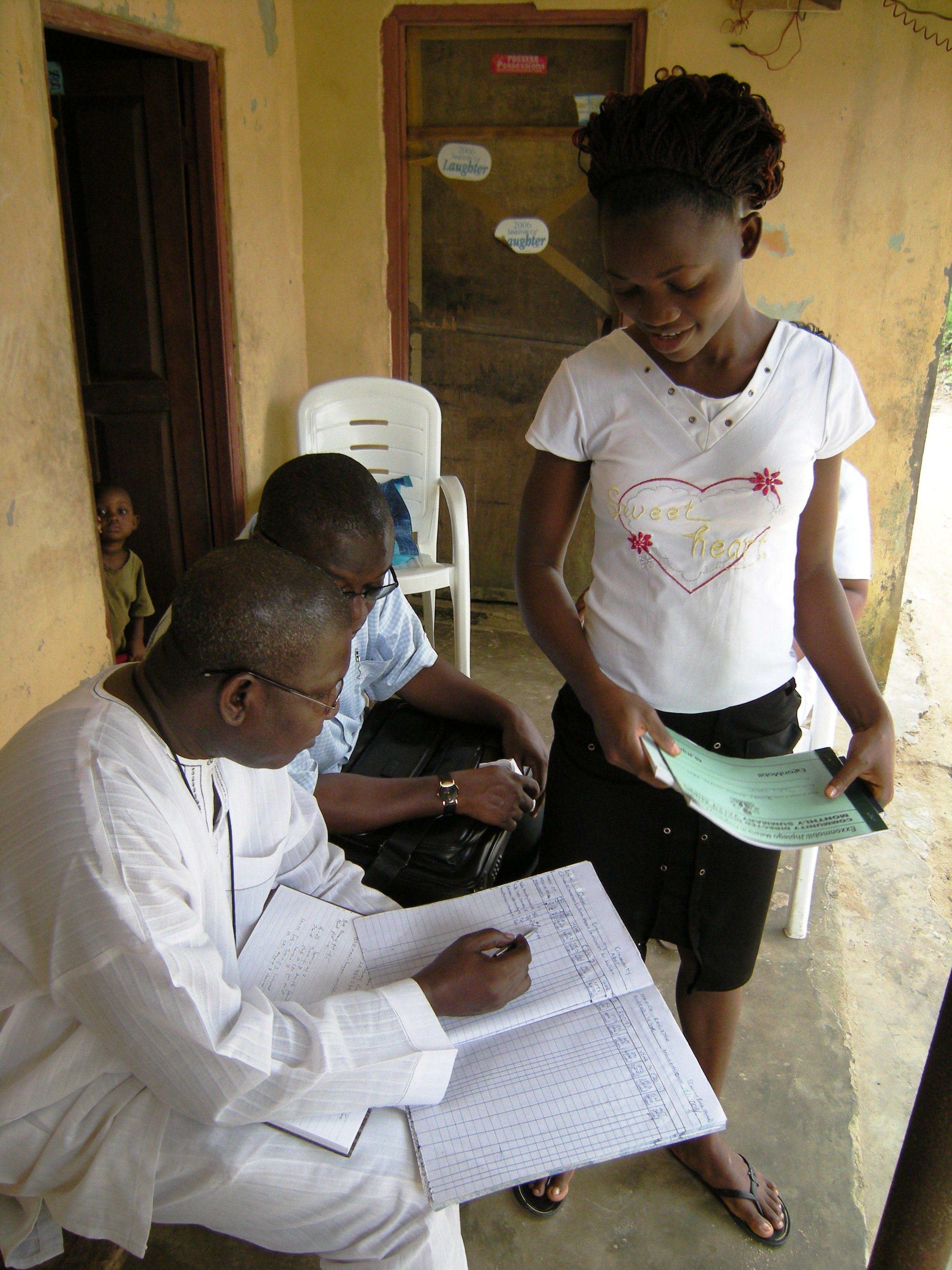
DSCN1595 volunteer brings his village register to clinic for checking Currently, most health centers do not keep a good record of community volunteers. This is where we can start to close the gaps in CHW data. If organizations and governments start streamlining data at the health center level, this data can then be reported to other levels of the health system. It is important to at least have an annual or semiannual assessment to determine changes, such as exits and promotions, within the CHW population. I have always envisioned it as a partnership between the health center and the community, so that the health center really knows the catchment area. For example, in most of the health centers and small clinics in Nigeria, the staff draws a hand-drawn map of their catchment area so that they know where their clients will come from. While imperfect, this allows the health center staff to have a good understanding of the community demographics. However, before this can happen it is critical that we start to actually keep track of community volunteers and health workers.

Diagnosis &Ebola Bill Brieger | 04 Jul 2015

Malaria or Ebola … Ebola or Malaria

The similarity of initial signs signs and symptoms for Malaria and Ebola have been a cause for concern since the beginning of the deadly West African outbreak of Ebola over a year ago. A year later we find that the confusion persists.

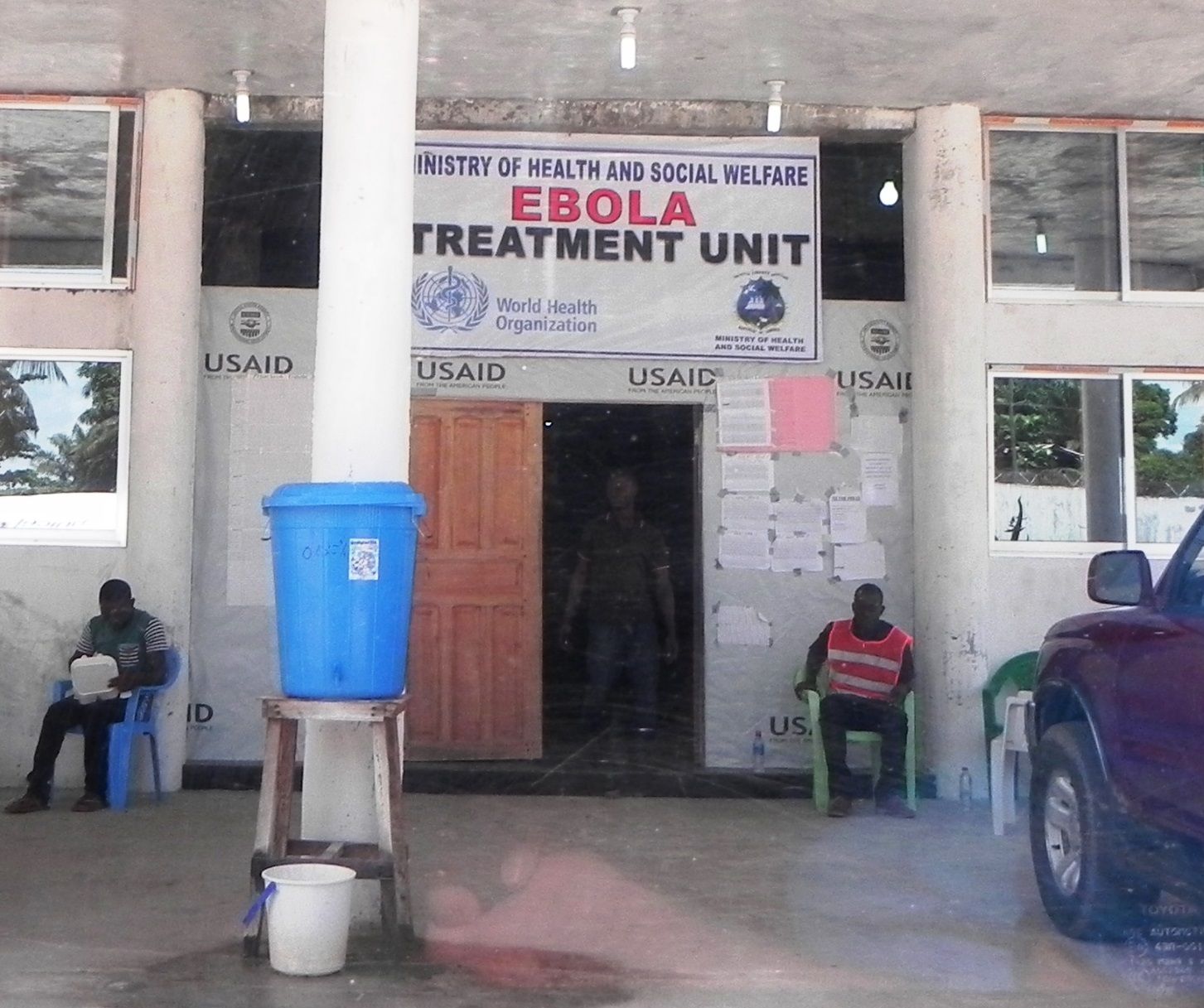
DSCN7914 Island ETU MonroviaUS News and World Report in a story on the three new Ebola cases that have ‘mysteriously’ appeared in the suburbs of Monrovia, Liberia addressed the treatment received by the teenager whose infection with Ebola was not determined until after he died. “Authorities have traced about 175 people who had contact with the dead teen, who first became ill June 21 and went to a local health facility where he was treated for malaria and discharged.”

In contrast the Journal of the Royal Army Medical Corps has reported on the disturbing management of a sick nurse serving in Sierra Leone. “A 27-year old British nurse (was) admitted to the Kerry Town Ebola Treatment Unit, Sierra Leone, with symptoms fitting suspect-Ebola virus disease (EVD)
case criteria. A diagnosis of Plasmodium falciparum malaria and heat illness was ultimately made, both of which could have been prevented through employing simple measures not utilised in this case. The dual pathology of her presentation was atypical for either disease meaning EVD could not be immediately excluded. She remained isolated in the red zone (of an Ebola Treatment Center) until 72 hours from symptom onset.”

DSCN2552aIn both cases uninfected people are put at risk because of misdiagnoses. The health staff and community members in the Liberian example, the patient herself in Sierra Leone. In the Liberia situation it appears that health worker education is not complete if staff are not remaining on guard. Also as the number of specialized Ebola treatment units have closed, the triage process to identify and separate patients may have broken down.

The Sierra Leone example points out the need to maintain and enhance malaria prevention efforts to also prevent such mix-ups. Unfortunately public health efforts in the three affected countries to prevent malaria with insecticide treated nets were delayed, meaning the nurse’s experience may not be unique.

Once started, it appears that Ebola does not disappear completely. Another news report today looks into investigation of new suspected Ebola cases in the Democratic Republic of the Congo, where Ebola was first recognized in 1976. Misdiagnosis can be deadly.

Congenital Malaria &Elimination &IPTp &Malaria in Pregnancy Bill Brieger | 25 Jun 2015

Congenital malaria: A neglected global health concern

Reena Sethi, DrPH Candidate in International Health, The Johns Hopkins Bloomberg School of Public Health and Senior Monitoring and Evaluation Adviser, Jhpiego shares with us the challenges of malaria acquired from the pregnant mother by their newborn child.

DSCN6805 mother of newborn in Malawi given LLINStrategies and recommendations to prevent the transmission of HIV from a mother to her child are known but less information is available on the epidemiology and management of malaria transmitted from pregnant women to their newborns. As presented in a review of congenital infections, one of the lesser known effects of malaria in pregnancy is the maternal-fetal transmission of infected erythrocytes that can result in poor perinatal outcomes. While clinical malaria in newborns is rare, most likely due to the transplacental transfer of maternal antibodies and the inhibitory effect of fetal hemoglobin on the development of malaria parasites, it is unclear what the true incidence of this condition is in Africa and Asia.

Recently published studies in Burkina Faso estimated the incidence of congenital malaria to be 2.1% and the prevalence of mother-to-child transmission of asymptomatic malaria to be 18.5% in one health center in Ouagadougou; in one hospital in Papua, Indonesia, congenital malaria was said to occur in 8 out of 1000 live births from 2005 to 2010; and in a study in one hospital in Madhya Pradesh, India, the incidence of congenital malaria was 29 out of 1000 live births. In a study involving six hospitals in Nigeria, the overall incidence of congenital malaria was found to be 5.1%. Transmission has been associated with both Plasmodium falciparum and Plasmodium vivax. The uncertainty and variation in estimates are likely related to the source of the tested blood (umbilical cord blood or infant peripheral blood), presentation of symptoms that are similar to neonatal sepsis, as well as the lack of capacity to conduct high quality diagnostic tests.

Since congenital malaria results from the transmission of parasites from the mother to the baby (presumably through placental transmission), prevention of malaria through the use of IPTp when appropriate reduces maternal parasitemia, most likely resulting in a lower rate of transmission of malaria to the newborn. In a study in Côte d’Ivoire, factors that protected mothers from placental malaria parasitaemia were the use of IPTp (SP) or ITNs during pregnancy and multigravidity. A study in Ibadan, Nigeria found that IPT-SP was effective in preventing maternal and placental malaria as well as improving pregnancy outcomes among parturient women. Researchers in Southern Ghana reported that placental malaria decreased after the implementation of IPTp.

However, in settings where IPTp is ineffective, the effect of alternative strategies, such as intermittent screening and testing in pregnancy (ISTp) on placental malaria should be examined. Little evidence is currently available on the efficacy of ISTp on maternal and newborn outcomes.

Further research also needs to be conducted in diverse settings to develop a standardized definition for congenital malaria and to understand the short and long-term consequences of this condition in order to establish guidelines for diagnosis and treatment. In pre-elimination contexts, where acquired malaria immunity may be reduced, further evidence is needed on the feasibility of screening all febrile babies and following newborns born to women with malaria during pregnancy and of other possible strategies to improve infant outcomes.

Equity &Monitoring Bill Brieger | 21 Jun 2015

Equity, Inequities and Malaria

The World Health Organization has just released a new report entitled, State of inequality: Reproductive, maternal, newborn and child health. Because of its effort to look across the board at low and middle income countries generally, it does not include more region specific indicators like malaria services. This led us to look at a few recent DHS/MIS  (Demographic & Health and Malaria Indicator Surveys) to see what we can learn about equity or its opposite for malaria.

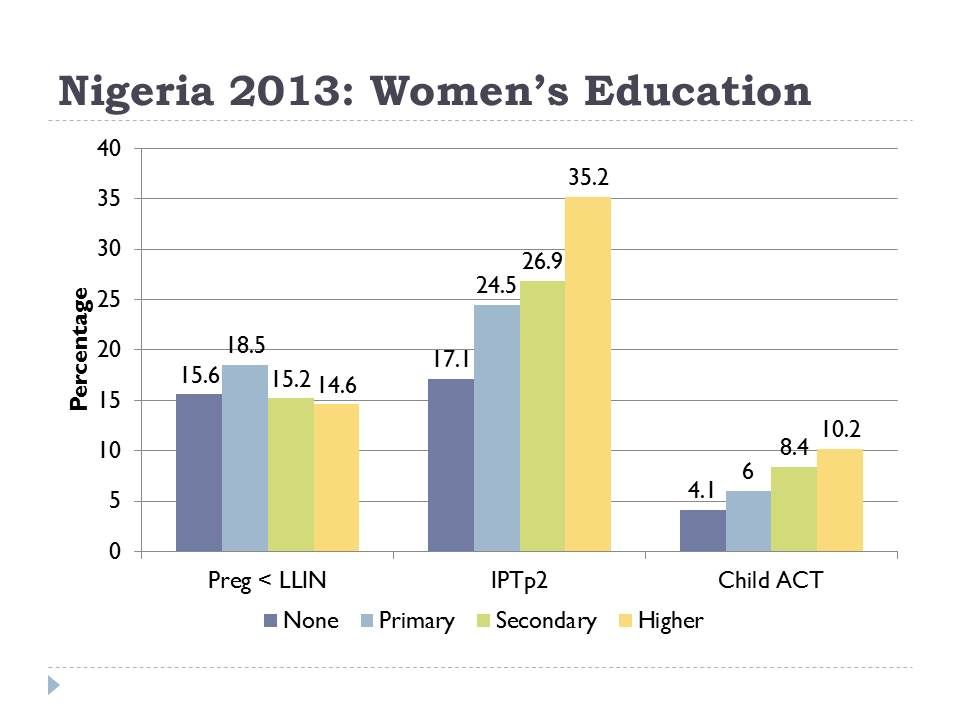
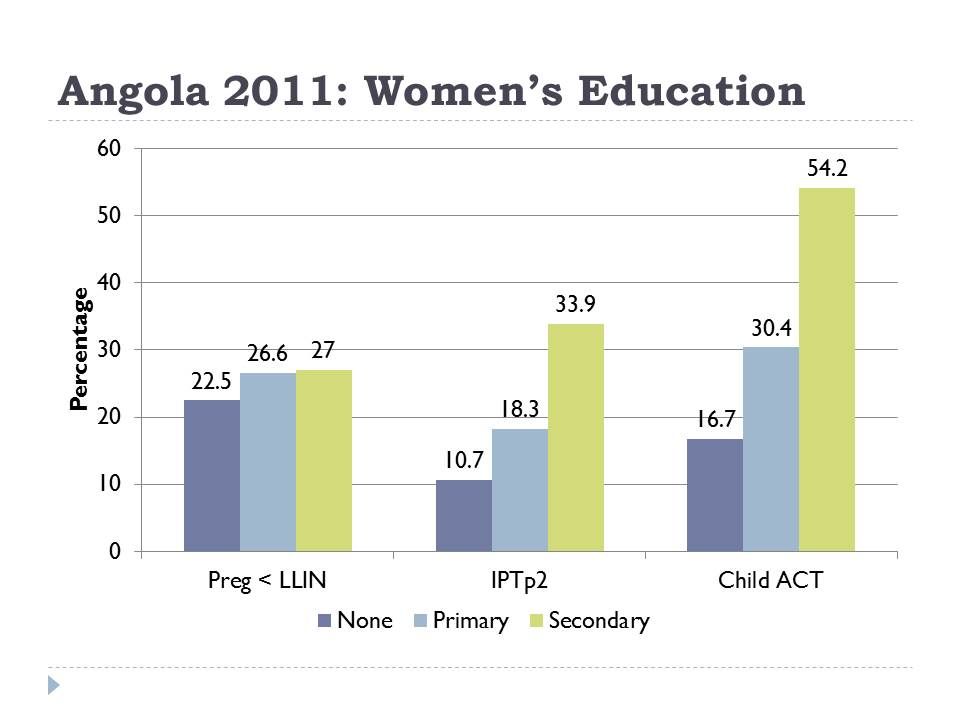
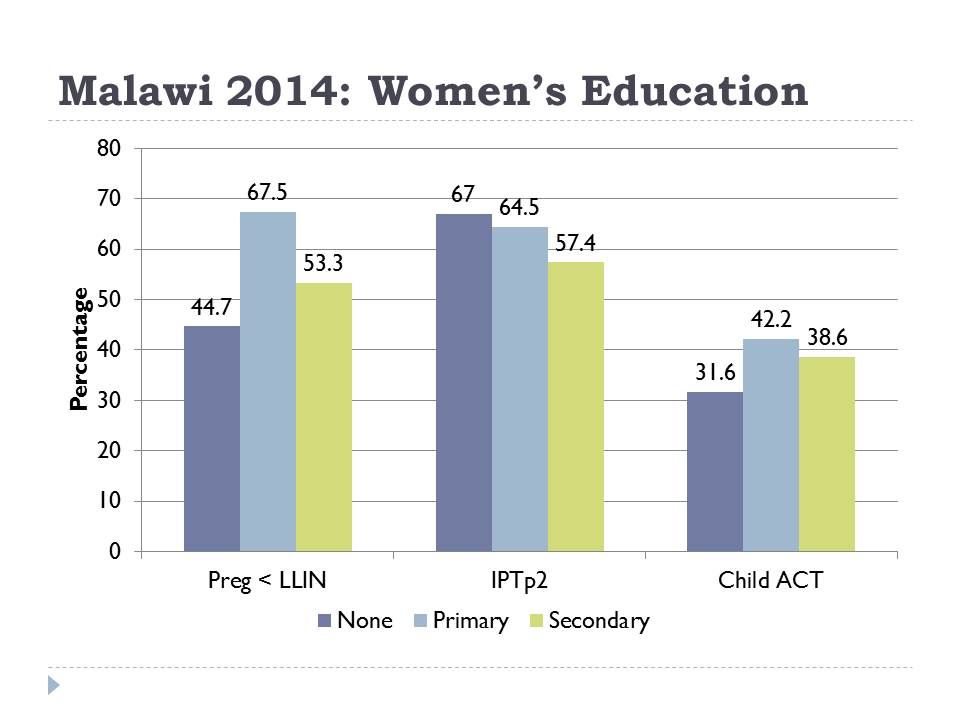
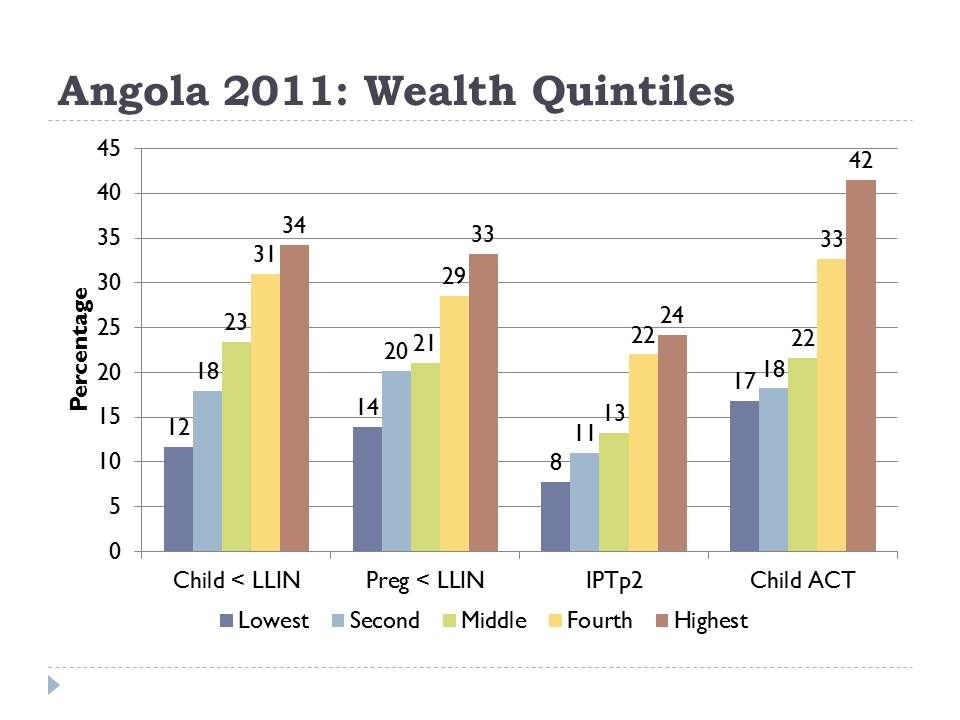
For RNMCH malaria indicators and equity we can examine coverage of long lasting insecticide-treated nets for both pregnant women (abbreviated as “preg < LLIN” in the attached charts) and children below five years of age (child < LLIN), taking of at least two doses of intermittent preventive treatment by recently pregnant women (IPTp2), and finally receipt of artemisinin-based combination therapy for febrile children below five years of age (ACT child, or where ACT not specified AMD child for antimalarial drug).

Slide4The equity variables presented in these surveys include residence in a rural or urban area, education of the woman, and wealth quintile. Recent reports from Nigeria (DHS 2013), Malawi (MIS 2014), and Angola (MIS 2011) were examined.

The first issue one notices is that these countries have not achieved the Roll Back Malaria coverage target of 80% that was set for 2010, let along sustained it. One could argue that it is not important to talk about equity until a country Slide10demonstrates the health systems capacity to seriously scale up these interventions. On the other hand one could also argue that efforts toward achieving equity at any stage of a program are important as these point to future sustainability and achievement.

The three countries in question each present a very different picture when it comes to equity. Starting with women’s education it is important to note that in two of the countries the proportion women with  post secondary is too negligible to analyze separately. The underlying last of access to post-secondary education is an important equity issue in itself.

Slide7For Nigeria access to both IPTp and ACTs for children is skewed toward those with higher levels of education. Angola’s coverage is also better for more highly educated women. Malawian women with lower education have better IPTp2 coverage, but the other indicators are mixed.

Rural disparity compared to better urban access to malaria commodities is evident in Angola and Nigeria for all Slide2indicators, while Malawi is again mixed. Interestingly in Malawi children in rural areas (41%) show better use of ACTs than those in urban settings (23%).

Angola exhibits the starkest contrast among wealth quintiles with all indicators showing increased coverage as wealth increases. In Nigeria this is true for IPTp and ACTs, but for LLINs, there is a peak in the middle quintile. It is often said in Nigeria that wealthier people prefer screening their homes than sleeping under nets.

Slide9Many factors enter into the picture. Malawi which is poorer in terms of GDP that oil-rich Angola and Nigeria has achieved better overall coverage with less pronounced disparities. One should also consider the differences in physical size with implications for program logistics among the countries.

In its own report, WHO says, “Health inequality monitoring is an essential step towards achieving health equity. It has broad applications and can be conducted across diverse health topics. Applying the best practices in health inequality monitoring presents an opportunity to share the state of inequality with stakeholders, indicate areas in need of improvement and track progress over time.” With tools like DHS, MIS and even national health information systems, endemic countries should also monitor their malaria intervention coverage and bring stakeholders together to address equity gaps.

Diagnosis Bill Brieger | 19 Jun 2015

Increased Commodity Availability Improve Malaria Diagnosis among Children Under five in Sokoto State, Nigeria

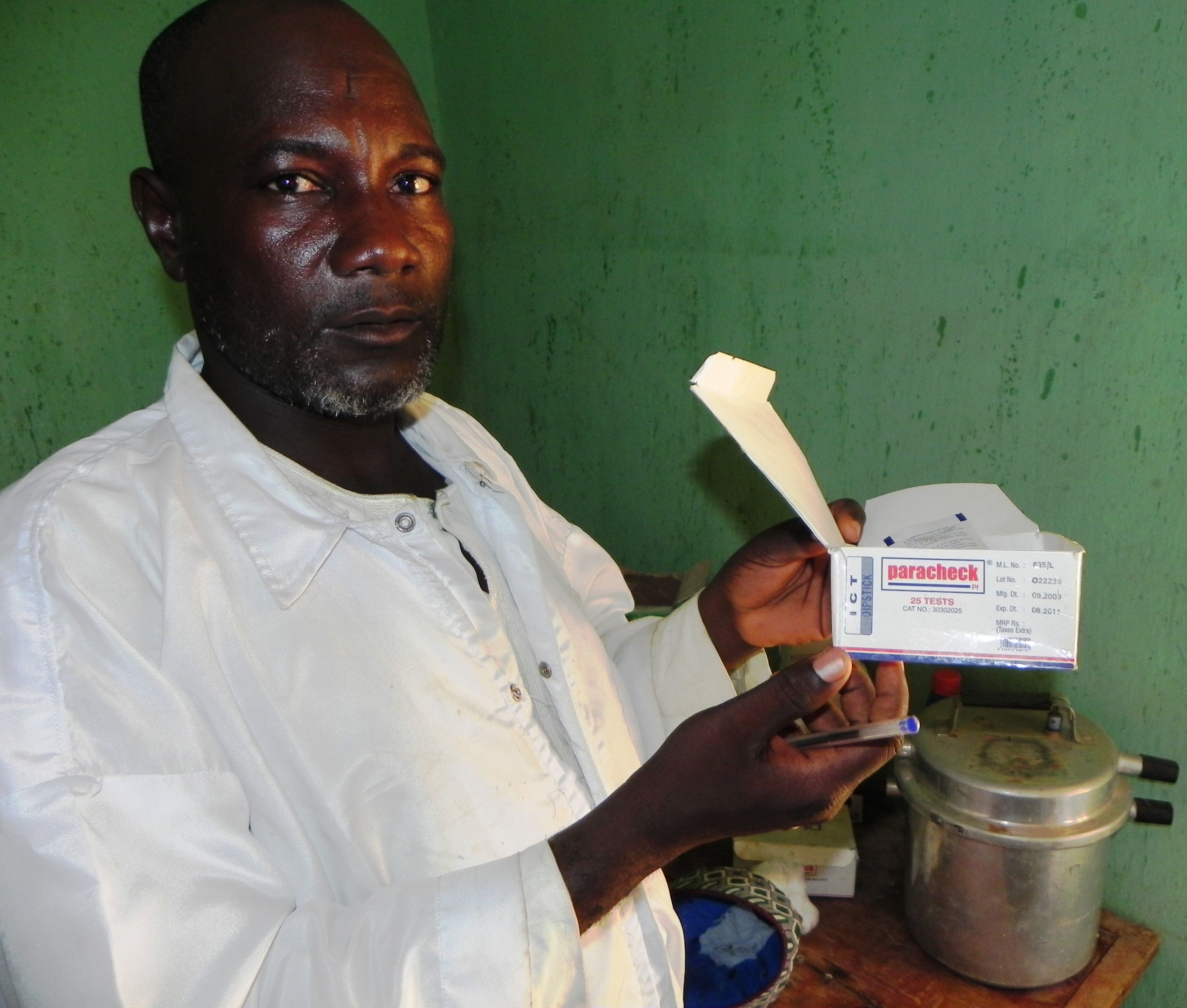
Zainab Mohammed, Nosa Orobaton, and Mohammed A. Ibrahim from the Targeted States High ImpactTSHIP Project (TSHIP), USAID Nigeria and the JSI Research & Training Institute, Inc. are sharing their experiences in Sokoto State, Nigeria concerning the importance of primary care health workers practicing appropriate malaria diagnostics prior to prescribing malaria medicines.

Despite the national efforts to reduce indiscriminate use of antimalarial and to secure improvements in malaria diagnosis, presumptive treatment of malaria is still high in Sokoto State, Nigeria. Just 3% of children under five years with fever had a blood test for malaria (NDHS 2013). Therefore Zainab and colleagues set out to answer the question, “Does increased availability of diagnostic kits improve quality of malaria case management?” Their work was based on the following objectives

  1. To determine the effect of malaria Rapid Diagnostic Test (mRDT) kits availability in malaria case management among children U5 years in Sokoto State.
  2. To document the effect of multi-strategy approach in improving malaria case management among children under five in Sokoto State.

DSCN3005aTheir methods included secondary data collection from the Sokoto State Health Management Information System (HMIS) from 2011 to 2014. No mRDTs were supplied to the State in 2011. In August 2012 – 108, 000 and 807, 850 kits were supplied by USAID/PMI through USAID/TSHIP with logistic support from USAID’s JSI/DELIVER to State Medical Store and distributed directly to HF. Service providers were trained on the job. Other activities included house-to-house education and counselling by community volunteers, radio phone in programs, face-to-face dialogue by ward development committees and radio jingles.

They found that although only 3% of health facilities (HF) provided malaria diagnostic services across the State, the percent of all facilities that provided the service had increased to 22% in August 2012 through 2015. The percent of children under five with fever symptoms and had confirmatory diagnostic tests for malaria was 19% and 20% in 2011 and 2012 respectively. By 2013, the coverage had tripled to 57% and had quadrupled to 84% in 2014. Overall, the percent of fever cases subjected to confirmatory diagnosis for malaria increased from 19% in 2011 to 84% in 2014.

In conclusion, the observed improvement in quality of malaria case management can be attributed to the availability of free mRDT at the HFs. Also contributing to the outcome were continuous training & mentoring of service providers and quality of awareness creation at community and HF level as well as through the media. Therefore, it is recommended that commodity logistics in support of supplying mRDT is strengthened to improve quality of malaria case management.

Borders &Elimination &Indoor Residual Spraying &Monitoring &Surveillance &Vector Control Bill Brieger | 13 Jun 2015

Moving toward Malaria Elimination in Botswana

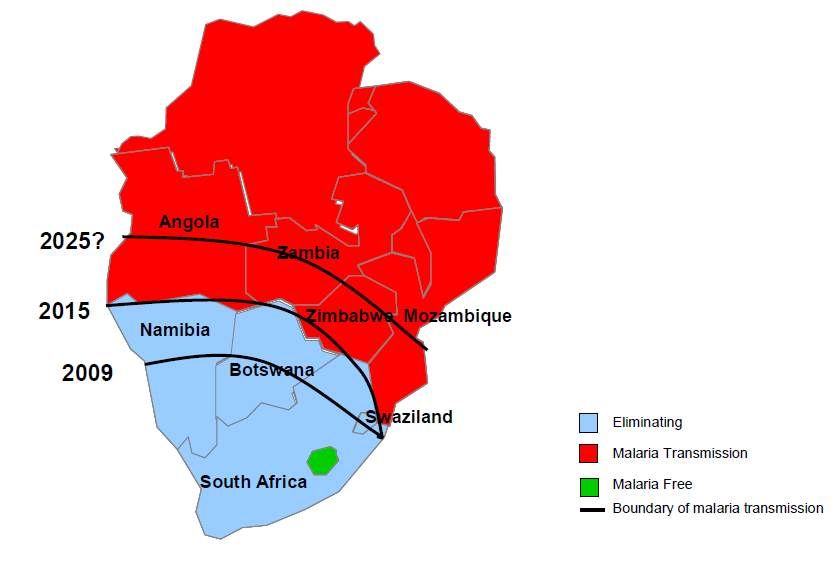
elimination countriesThe just concluded 2015 Global Health Conference in Botswana, hosted by Boitekanelo College at Gaborone International Convention Centre on 11-12 June provided us a good opportunity to examine how Botswana is moving toward malaria elimination. Botswana is one of the four front line malaria elimination countries in the Southern African Development Community and offers lessons for other countries in the region. Combined with the 4 neighboring countries to the north, they are known collectively as the “Elimination Eight”.

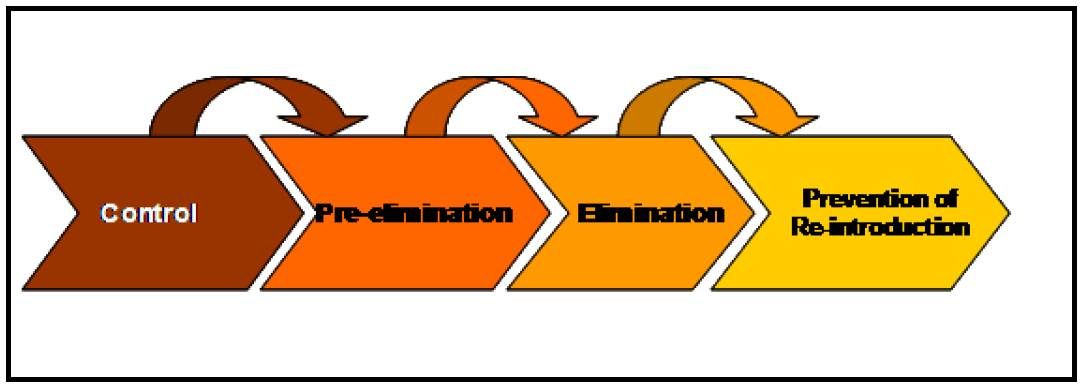
The malaria elimination countries are characterised by low leves of transmission in focal areas of the country, often in seasonal or epidemic form. The pathway to malaria elimination requires that a country or defined areas in a country reach a slide positivity rates during peak malaria season of < 5%.

pathwayChihanga Simon et al. provide us a good outline of 60+ years of Botswana’s movements along the pathway beginning with indoor residual spraying (IRS) in the 1950s. Since then the country has expanded vector control to strengthened case management and surveillance. Particular recent milestones include –

  • 2009: Malaria elimination policy required all cases to be tested before treatment malaria elimination target set for 2015
  • 2010: Malaria Strategic Plan 2010–15 using recommendations from programme review of 2009; free LLINs
  • 2012: Case-based surveillance introduced

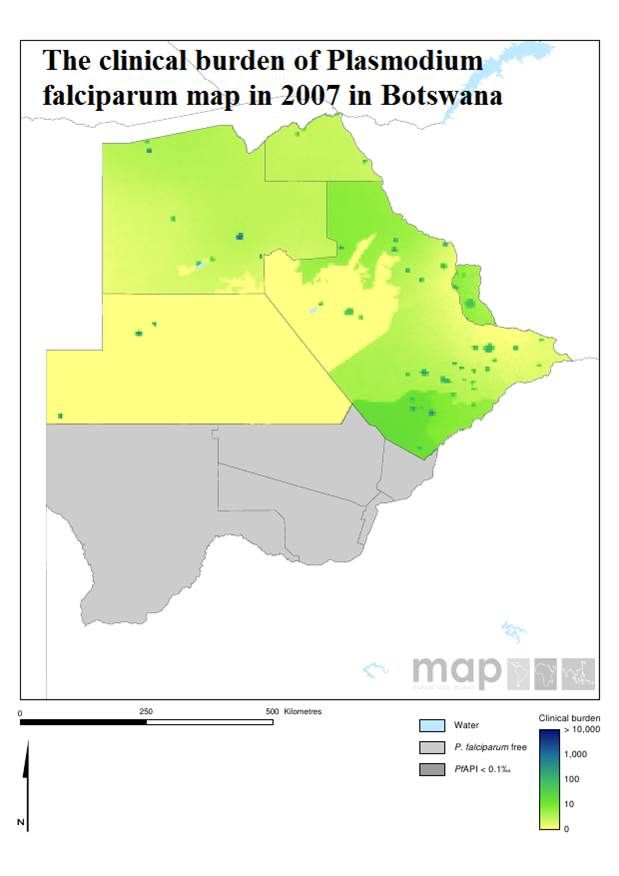
The national malaria elimination strategy includes the following:Map

  • Focus distribution LLIN & IRS in all transmission foci/high risk districts
  • Detect all malaria infections through appropriate diagnostic methods and provide effective treatment
  • Develop a robust information system for tracking of progress and decision making
  • Build capacity at all levels for malaria elimination

Botswana like other malaria endemic countries works with the Roll Back Malaria Partnership to compile an annual road map that identifies progress made and areas for improvement. The 2015 Road Map shows that –

  • 116,229 LLINs distributed during campaigns in order to maintain universal coverage in the 6 high risk districts
  • 200,721 IRS Operational Target structures sprayed
  • 2,183,238 RDTs distributed and 9,876 microscopes distributed
  • While M&E, Behavior Change, and Program Management Capacity activities are underway

Score cardFinally the African Leaders Malaria Alliance (ALMA) provides quarterly scorecards on each member. Botswana is making a major financial commitment to its malaria elimination commodity and policy needs. There is still need to sustain high levels of IRS coverage in designated areas.

Monitoring and evaluation is crucial to malaria elimination. Botswana has a detailed M&E plan that includes a geo-referenced surveillance system, GIS and malaria database training for 60 health care workers, traininf for at least 80% of health workers on Case Based Surveillance in 29 districts, and regular data analysis and feedback.

M&E activities also involve supervision visits for mapping of cases, foci and interventions, bi-annual malaria case management audits, enhanced diagnostics through PCR and LAMP as well as Knowledge, Attitudes, Behaviour, and Practice surveys.

Malaria elimination activities are not simple. Just because cases drop, our job is easier. Botswana, like its neighbors in the ‘Elimination Eight’ is putting in place the interventions and resources needed to see malaria really come to an end in the country. Keep up the good work!

Drug Quality &Private Sector &Treatment Bill Brieger | 23 May 2015

Verifying Malaria Medicines on Your Mobile

On their website Sproxil says that, “Sproxil actively supports Nigeria’s National Agency for Food and Drug Administration and Control (NAFDAC) in the fight against counterfeiting by pioneering Nigeria’s first Mobile Authentication Service.” They note further that …

“On February 2, 2010, NAFDAC launched the NAFDAC MAS, putting the power of product verification right in the hands of the consumer. MAS is powered by Sproxil’s award-winning cloud-based Mobile Product Authentication™ technology, and remains the world’s largest nation-wide implementation of consumer-facing SMS anti-counterfeiting technology in the world.”

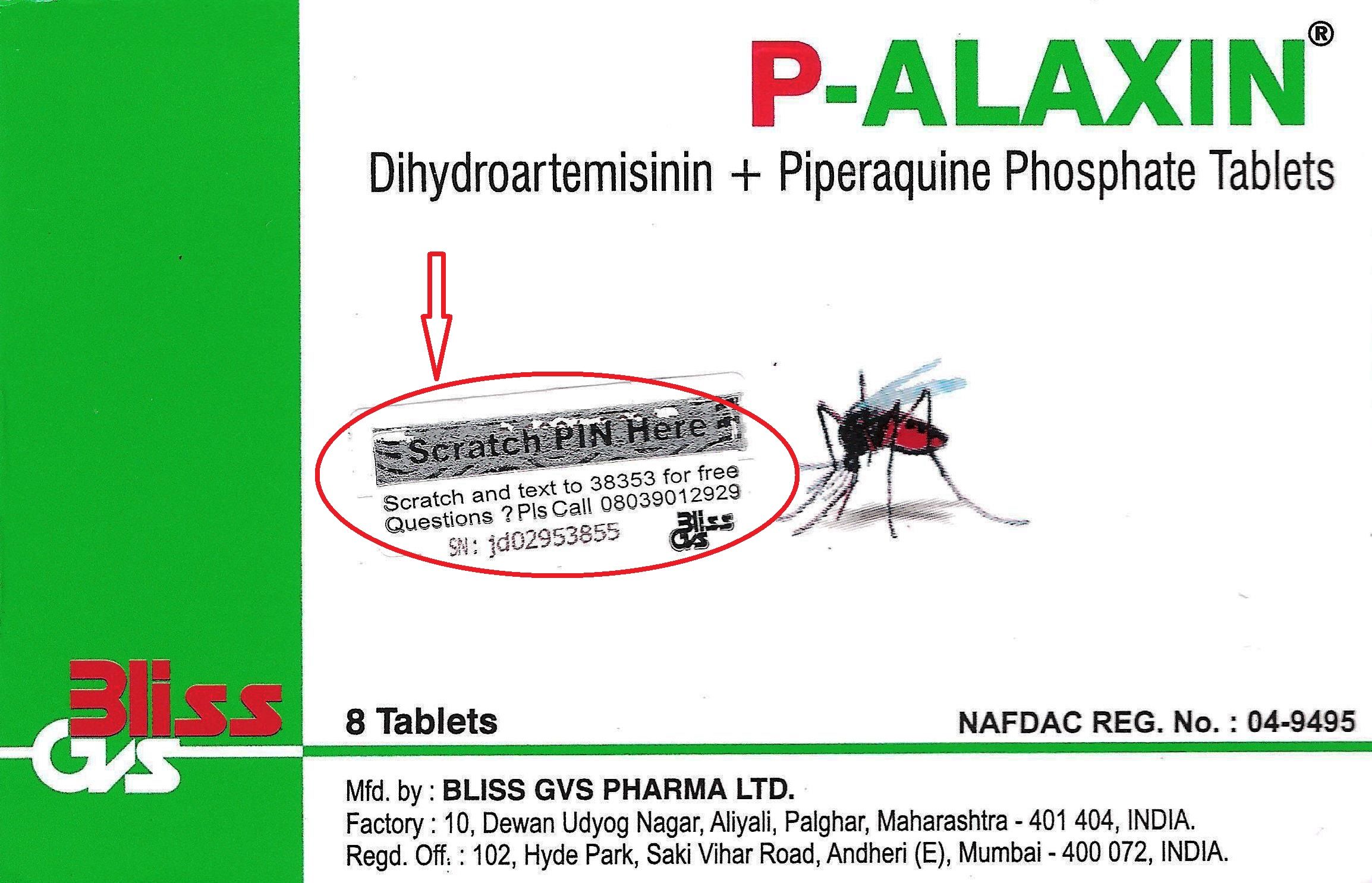
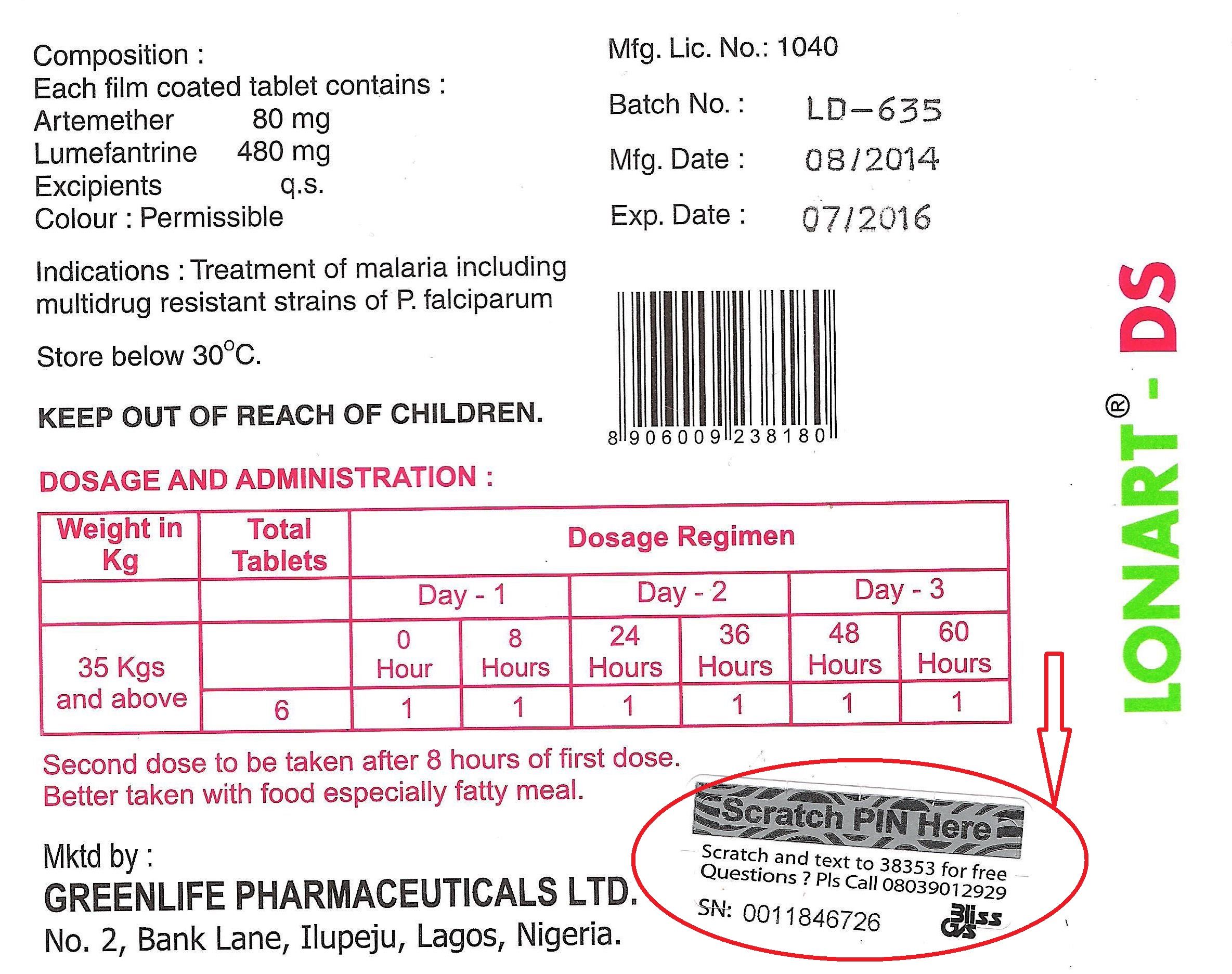
Below are two malaria medicine packets recently purchased. After scratching the small label (see it circled, we got the SMS messages as posted.  The NAFDAC registration number alone is not enough to ascertain the validity. This is a smart procedure, even without a smart phone. Of course one still needs to read the expiry dates!

P-Alaxin front scratch off1. OK Genuine P-Alaxin Tablet. Your PIN:949769012921 NRN:04-9495 Problem? Call 08039012929 NAFDAC & Bliss Care Sproxil SMS

Lonart DS back PIN2. OK Original Lonart DS tabs NRN:04-9927 Use mosquito nets to help avoid malaria Problem? Call 08039012929 NAFDAC & GREENLIFE CARE Sproxil Solution

« Previous PageNext Page »